Aluminum vs Galvanized Steel Ceiling Tiles: A Substrate Decision
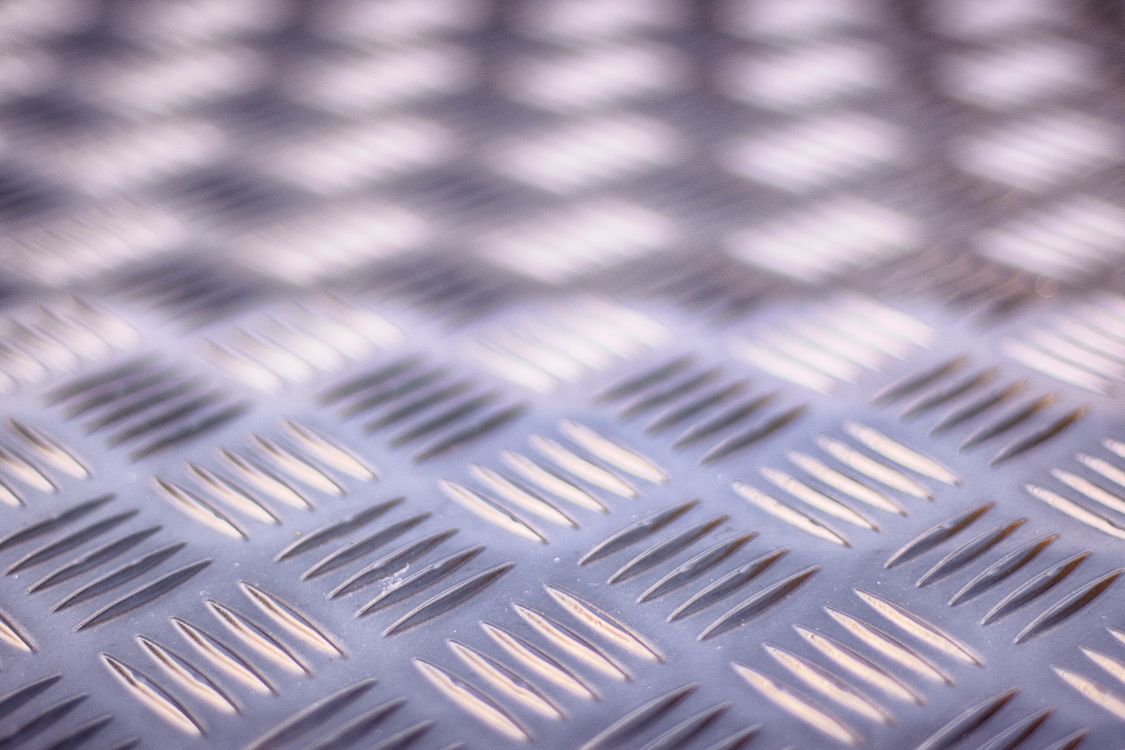
Two ceiling tile samples sit on the table, one aluminium, one galvanized steel, both powder coated in the same white. On the day they are approved, they are indistinguishable, and they will stay that way for years in a dry, conditioned room. The decision between them is therefore not made on the sample. It is made on the conditions the tile will meet after approval: the moisture in the room, the cuts and holes in the field, the hands that will lift it, and the budget line it sits in. This article takes the decision apart task by task. Each section states one job the tile has to do, what that job demands of the substrate, and which of the two meets the demand. The verdicts are then collected into the table, and the closing states where the verdicts stop applying.
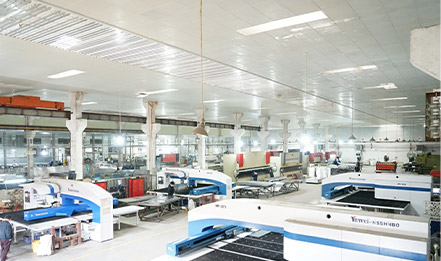
The common basis comes first, because it is short. Both are formed metal tiles. Both are produced in the same systems, clip-in and lay-in, with the same range of faces, plain or perforated, and both take powder coating, so the colour and finish choice is largely independent of the substrate choice. Neither material burns, and neither gives the ceiling a fire rating on its own: a rating belongs to a tested assembly of tile, grid and everything above it, checked against the project's local regulations. Our ceiling tiles are produced in aluminium, galvanised iron and stainless steel, so the comparison below is between two members of one product family, made on the same lines. What differs is the metal itself, and the differences are specific enough to decide with.
Task one: keep rust out of the room
Aluminium protects itself. Its surface forms an oxide film in air, the film re-forms when the surface is scratched or cut, and the metal does not produce red rust. Galvanized steel is protected by a zinc layer that works as a barrier and, at a scratch, corrodes in place of the steel. The protection is real, but it is a coating with a thickness, and it ends wherever the metal is cut after galvanizing. A tile field is full of such places: trimmed perimeter tiles, holes cut for downlights and sprinklers, and the rims of perforations, hundreds of them on an acoustic tile.

So the first task divides rooms, not metals. In a dry, conditioned interior, a classroom, an office floor, a retail unit, the zinc layer is never seriously challenged and galvanized steel does this task for the life of the fit-out. In a room with sustained humidity, wash-down, chlorinated air or an air conditioning regime that lets condensation form in the void, the cut edges and hole rims are where failure starts, and aluminium's self-repairing film is the property that matters. The rule: the wetter the room and the more cuts the field carries, the stronger the case for aluminium, regardless of what the face sample suggested.
Task two: stay flat and take knocks
Steel is the stiffer and harder of the two at the same thickness. A galvanized steel tile holds its flatness across a large module with less help from its formed edges, and it resists the dents that come from ladders, trolleys and maintenance work at low ceilings. Aluminium is softer. A thin aluminium tile in a large format can drum and dent where a steel tile of the same gauge would not, and the manufacturer's answers, a thicker gauge, a smaller module, a more heavily formed edge, are specification items, not automatic properties.
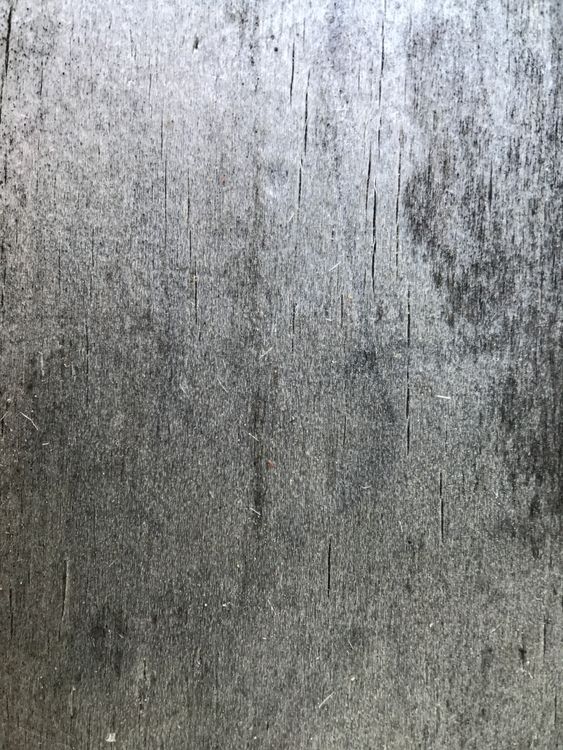
The rule follows the ceiling height and the module. Low ceilings within reach of equipment, and large modules that must read flat under raking light, favour galvanized steel. High ceilings that are seen rather than touched, and standard modules, take aluminium without giving anything away on this task.
Task three: keep the weight off the suspension
Aluminium's density is about 2.7 g/cm³ against steel's 7.85, so the raw material weighs roughly a third as much. That ratio is quoted everywhere, and it needs one correction before it is used: a finished tile is not a block of metal. Its weight depends on the gauge the maker chose, the depth of its formed edges and its size, and makers choose different gauges for the two metals precisely because of task two. The honest check is to ask each supplier for the finished tile weight in kilograms per square metre and compare those figures, not the densities.
Even corrected, aluminium fields come out lighter, and the difference is spent in two places. The suspension carries less dead load, which matters in renovations hanging from an existing structure and in any building where the slab's spare capacity is spoken for. And the tiles are handled constantly over their life: a lay-in tile over a classroom or an office is lifted by one person, by hand, for years. The lighter tile is the one that comes down and goes back without damage. Where the ceiling is opened often, this task argues for aluminium on handling alone.
Task four: hold the budget, honestly
Galvanized steel is the cheaper material, and in a dry interior it is the rational default: the performance the room needs, at the lower price. The budget case for aluminium is not made on the tile price. It is made where the environment charges the steel tile extra: edge and hole treatment on a heavily cut field, a shorter replacement cycle in a humid room, the labour of swapping rust-marked tiles in a finished building. A specification that prices the two substrates as tile prices only will pick steel everywhere, including the one room in the building where it will be replaced first. Price the field, room by room, with the cuts counted, and the budget verdict sorts itself the same way the rust verdict did.
Task five: keep the face uniform
Appearance is carried by the coating, not the substrate, and both metals take the same powder coat systems. This task enters the decision for one reason: mixed specifications. A building that uses aluminium in its wet rooms and galvanized steel in its dry rooms, which the tasks above often recommend, has two substrates carrying one colour. Coating colour is a batch property, so the two fields should be approved from samples coated in the same run, and the boundary between them placed where a shadow gap or a change of plane hides any residual difference. Decided that way, uniformity is a sample procedure, not a reason to force one substrate across the whole building.
The verdicts, collected
Task | What the task requires | Aluminium | Galvanized steel |
Keep rust out | Protection that survives cuts, holes and humid air | Oxide film re-forms at cuts; no red rust | Zinc protects until it is cut through or consumed; cut edges and hole rims rust first |
Stay flat, take knocks | Stiffness and dent resistance at the chosen module | Softer; needs gauge, module or forming to hold flatness | Stiffer and harder at the same thickness; better at low ceilings and large modules |
Keep weight down | Low finished weight per square metre | Roughly a third of steel's density; lighter finished fields; easier handling | Heavier; more dead load on the suspension |
Hold the budget | Lowest whole-field cost in the room's conditions | Higher material price; wins where steel would need edge treatment or early replacement | Lower material price; the rational default in dry interiors |
Keep the face uniform | One colour across the building | Same coating systems as steel; approve mixed fields from one coated sample run | Same coating systems as aluminium; approve mixed fields from one coated sample run |
Combining the two in one building
The combination the tasks point to is a split specification. Wet rooms, cut-heavy fields and ceilings that open often go to aluminium. Dry, low, large-module fields go to galvanized steel. The split is drawn on the reflected ceiling plan by room exposure, not by floor or by elevation, and the two parts of the order carry the same colour approval procedure so the building reads as one ceiling. Our aluminum ceiling tiles and their galvanized counterparts come from the same production, in the same systems: a clip-in tile ceiling where the field should stay shut, perforated clip-in tiles where the room needs absorption, each in the substrate its room argues for.
Conclusion
The boundary of this comparison should be stated as plainly as its verdicts. It covers interior tile ceilings in the exposure range of ordinary commercial buildings. Where chlorides, chemical cleaning or standing moisture dominate the room, the third substrate in the range, stainless steel, enters and can displace both. Where the ceiling forms part of a rated fire assembly, the assembly's test evidence governs and the substrate choice follows it. Inside that boundary, the decision procedure holds: name the task the room sets first, and the substrate follows. Send TUODELI the room schedule with a note of each room's exposure and how often its ceiling is opened, and the substrate can be marked room by room on the ceiling plan before prices are compared.
FAQs
Q1: What should I ask for to compare the weight of the two options properly?
A1: The finished tile weight in kilograms per square metre, for the exact tile, gauge and size being quoted. Density figures compare raw metals. The finished weights are what the suspension carries and what your maintenance team lifts.
Q2: How do I check the galvanized option's protection before approving it?
A2: Ask for the zinc coating mass from the mill certificate rather than the word galvanized, and ask how cut edges and perforation rims are treated on the finished tile. Those two answers predict the tile's behaviour in a humid room better than any face sample.
Q3: Can the two substrates be mixed in one order without a visible seam?
A3: Yes, if the colour is approved from samples of both substrates coated in the same run, and the change of substrate is placed at a real boundary in the ceiling plan: a doorway line, a shadow gap, a change of plane. Do not let the boundary fall in the middle of one flat field under even light.
Other News