
Why V-Shape Aluminum Baffles Are Ideal for High-Traffic Terminals
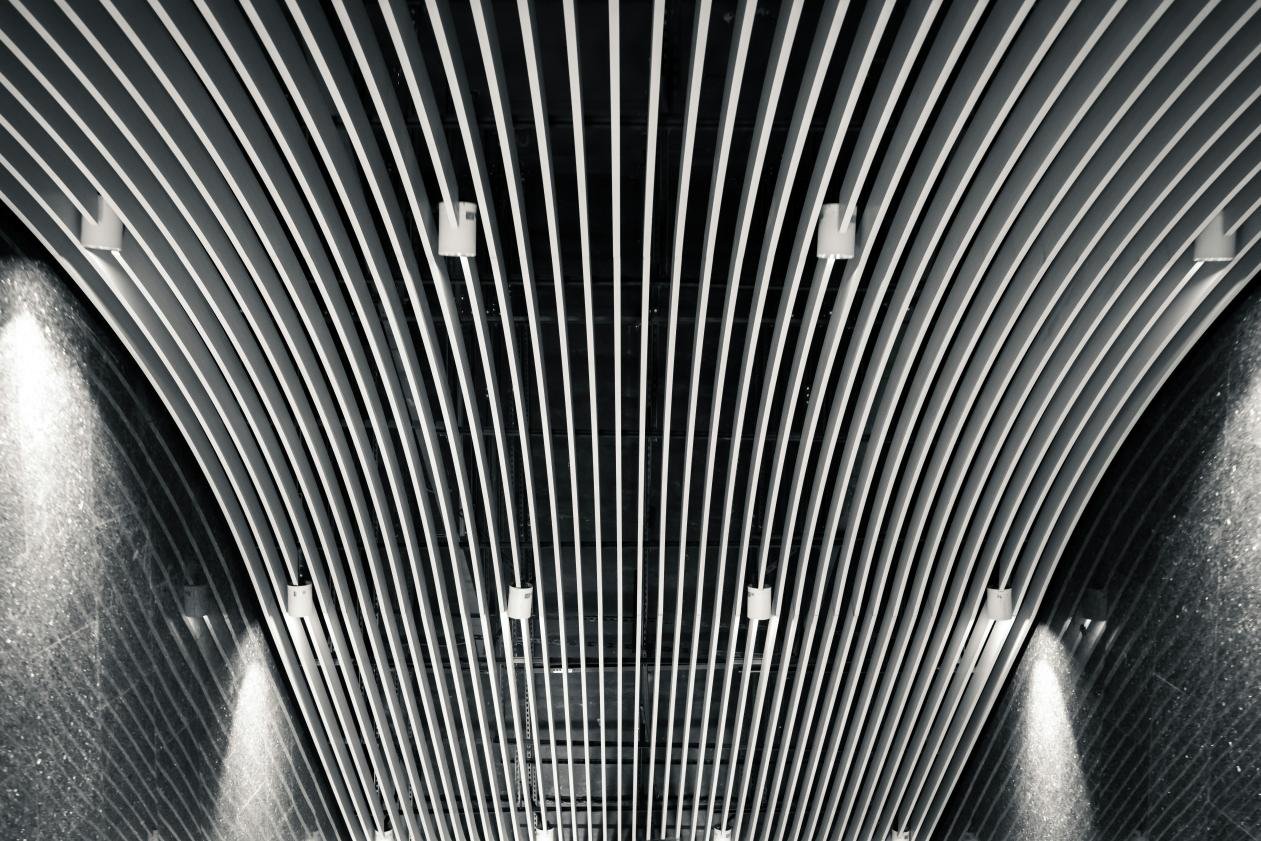
Walk into any major international airport handling 40 million passengers a year, and look up. You will not see a flat, boring white plaster ceiling. Instead, you see striking metal lines cutting across the massive space. Why do architects almost universally choose v-shape aluminum baffles for these massive transit hubs? The answer is strictly practical. A busy terminal is a chaotic mix of loud boarding announcements, massive air conditioning demands, and miles of hidden cables. V-shaped metal panels fix all three problems at once. They break up the terrible noise that bounces off hard stone floors. They create a visual block so passengers cannot see the ugly pipes above, while still letting air flow freely. And unlike flat panels, their sharp angle stops thick dust from settling on top. If you are planning a large public build, dropping traditional drywall and switching to this specific angled metal profile is the fastest way to cut maintenance costs and pass strict fire codes.
Let us break down exactly how this specific structural shape handles the heavy daily abuse of a crowded transit center.
Handling the Audio and Maintenance Nightmare
A massive transit hub creates a highly stressful audio environment. You have loud boarding calls, thousands of rolling bags, and heavy foot traffic echoing off hard stone floors. Flat ceilings just bounce this noise right back down. We need to look at how specific structural shapes actually trap this sound.
Acoustic Control Through Angular Deflection
Sound behaves just like water. When a loud noise hits a completely flat ceiling, it splashes directly back down into the crowd. In a high traffic terminal, background noise easily hits 80 decibels. If passengers cannot hear their gate changes over the constant roar, you have a massive operational failure. The "V" profile physically changes how sound travels. When noise waves hit the angled sides of the metal blade, they scatter in multiple different directions instead of bouncing straight down. Many high-end baffles also feature tiny perforated holes with acoustic fleece glued inside. This traps the sound waves inside the hollow metal shape.
Rethinking your overhead layout is necessary if your current hall suffers from terrible audio clarity. Shifting your approach from solid boards to angled linear profiles immediately drops the echo level, making the whole building feel significantly calmer for stressed travelers.
The Physics of Rejecting Dust
Cleaning a ceiling that sits 40 feet in the air requires expensive scissor lifts and night-shift labor. Traditional square or flat metal panels act like giant shelves. Over a few months, they collect a thick layer of grey dust. When the heavy terminal doors open and a breeze rolls through, that dust falls directly onto passengers and expensive ticketing kiosks.
The V-shape design essentially self-cleans. Because the top of the baffle comes to a sharp point, dust has almost nowhere to settle. Gravity does the work for you. Any dirt that manages to land usually slides off before it can build up into a thick, visible layer. For the maintenance crew, this means extending the cleaning schedule from every three months to perhaps once a year.
Hiding Massive Terminal Infrastructure
Above the passenger area sits a massive network of heavy utilities. Terminals hide huge air conditioning ducts, miles of electrical cables, and thick fire suppression water pipes. Closing this all up with solid drywall creates a nightmare for routine maintenance crews who need fast access.
The Mechanics of an Open Plenum System
You cannot seal the roof of a transit hub. Building inspectors demand that sprinkler heads, smoke detectors, and air vents remain totally unobstructed. This is where the concept of an open plenum system becomes incredibly valuable. "Plenum" just means the empty space between the structural roof and the decorative ceiling.
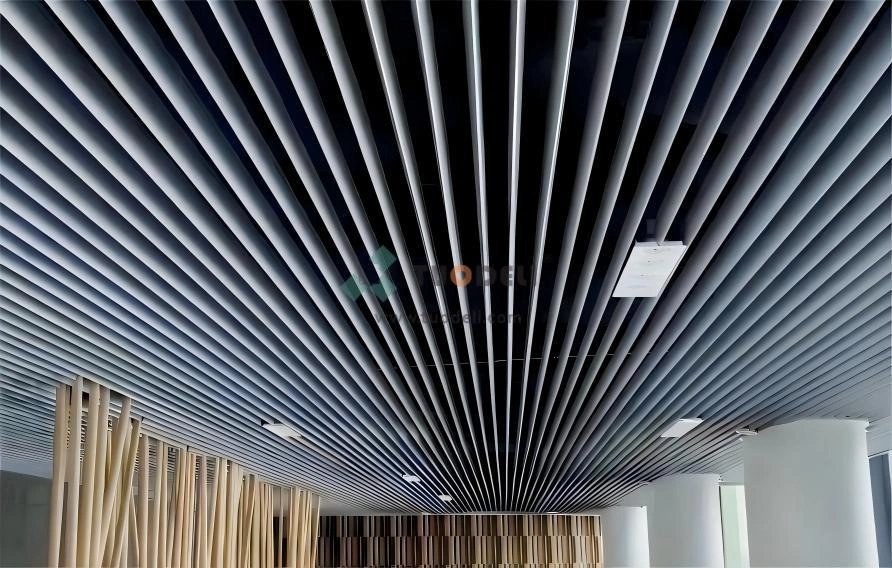
By hanging v-shape aluminum baffles with a gap of 100mm to 150mm between each blade, you create an optical illusion. When a passenger looks up from a normal standing angle, the depth of the V-shape overlaps with the next baffle. They just see a beautiful, continuous linear metal ceiling. However, the ceiling is actually 50% open air.
When a facility manager realizes their current closed ceiling is trapping heat and blocking fire sprinklers, ignoring the problem often leads to heavy fines. Moving to a smart open-grid setup using v-shape aluminum baffles built by TUODELI completely removes the need to cut ugly access doors into your beautiful ceiling design. Repair teams can just reach right through the gaps to fix a broken wire.
Surviving the Physical Demands of Public Spaces
Airports and train stations run 24 hours a day, 365 days a year. The materials you choose must survive constant vibration, heavy wind pressure from opening doors, and changing humidity levels. Let us examine why metal easily beats out cheap mineral fiber or plastic alternatives.
Here are the harsh realities a public space ceiling must survive, and how proper metal systems handle them:
l Extreme Wind Loads: Large terminals have massive sliding doors that open completely to the outside. When the wind blows hard, it creates a massive pressure change inside the building. Weak foam or fiber drop-ceiling tiles will literally blow out of their grids and fall on people. Durable metal baffles physically lock onto strong steel carrier rails. They stay totally rigid even during severe storms.
l Total Fire Resistance: Aluminum does not burn. While wood looks beautiful, using real timber across a 50,000-square-foot roof is a massive fire hazard. A modern terminal ceiling design usually uses aluminum baffles finished with a heat-transferred wood grain powder coat. You get the exact warm look of real oak or walnut, but with a Class A fire rating.
l Zero Sagging from Humidity: Train stations are often semi-open to the outside weather. If you use cheap acoustic boards in a humid city, they soak up the moisture from the air. Within three years, the boards will warp, sag, and look terrible. High-grade aluminum completely ignores humidity. It refuses to rust and holds a perfectly straight laser line for 20 years.
Conclusion
Upgrading or expanding a high traffic terminal brings a huge set of problems. You are fighting loud echoes, hiding ugly pipes, and trying to keep maintenance costs from ruining your budget. Traditional drop ceilings or flat panels just collect thick dust and block crucial airflow, leading to expensive repairs and unhappy passengers. You need an overhead structure built specifically for chaos. V-shape aluminum baffles solve the noise and access problems in one clean sweep. If your team is struggling to find a ceiling that actually lasts under heavy daily use, looking into a proper linear metal ceiling is the smartest move. Reach out to the factory experts at TUODELI and contact us to fix your terminal design today.
FAQs
Q1: Why do airports prefer v-shape aluminum baffles?
A: They scatter loud echoes, hide ugly roof pipes perfectly, and naturally prevent thick dust buildup on top.
Q2: What is an open plenum system?
A: It is an open ceiling grid that hides wires visually but lets air and sprinkler water pass through easily.
Q3: Are durable metal baffles hard to clean?
A: No, the sharp V-angle stops dust from settling flat, making routine public space ceiling maintenance incredibly fast.


