
Why Acoustic Ceilings Are Essential for Modern Healthcare Facilities
Picture yourself in a hospital waiting area on a typical Tuesday morning. A device for medical use beeps without pause along the corridor. Staff members in nursing roles move quickly by, their footwear made of rubber creating squeaks on the smooth floor covering. Nearby, two groups of family members engage in worried discussions just a short distance apart. The noise reflects from the firm surfaces and uncovered floors, generating a tense, ongoing drone that causes discomfort in your head. Now, think about a patient attempting to rest and regain strength amid that very same disturbance. Such conditions affect everyone. They create challenges. They impact well-being.
This issue carries great weight. Current medical practices include remarkable equipment and skilled physicians, but numerous treatment locations continue to face difficulties with simple sound management. Firm materials prove simple to wipe down, yet they unintentionally transform spaces into large areas of reflection. This situation highlights the role of specialized building elements. Fitting acoustic ceiling tiles goes beyond a mere stylish option; it serves as a basic need for developing an environment where individuals can truly recover. These solutions address core problems. They improve daily operations. They support health goals.
The Hidden Dangers of Poor Clinical Acoustics
Healthcare structures tend to produce considerable noise naturally. Carts with heavy loads travel along hallways, alerts activate without warning, and conversations occur around the clock. Still, permitting these sounds to travel without restraint does more than create slight irritation. It directly interferes with the recovery process and exhausts the personnel in medical roles. We should examine in detail why managing sound in hospitals requires careful design focus. This analysis reveals risks. It explains effects. It suggests actions.
Patient Recovery and Sleep Deprivation
The World Health Organization indicates that noise levels in nighttime wards should remain near 30 to 35 decibels to support adequate sleep. In practice, however, many healthcare sites reach 65 or even 80 decibels during transitions between shifts. This compares to attempting recovery from significant surgery beside a busy urban road. When individuals in care cannot achieve deep rest, their blood pressure remains high. Their pulse quickens. Stress chemicals enter their systems, which in turn delays bodily repair and reduces immune strength. A peaceful space functions as an essential health requirement. Materials that absorb sound in ceilings capture these sharp, abrupt noises before they return to the person resting below. Such features make a difference. They promote healing. They prevent setbacks.
Staff Fatigue and Communication Errors
Physicians and nursing staff endure extended, tiring periods while making critical choices. Persistent ambient sound depletes their cognitive resources more rapidly than nearly any other factor. Consider attempting to determine an exact amount of medication while multiple device alerts resonate through a solid hallway. This effect, referred to as alarm fatigue, leads workers to gradually ignore alert signals, posing significant risks. Moreover, inadequate sound handling complicates clear reception of directions. Overlooking even one term or figure in a crowded treatment area can result in major errors in care. A more serene sound setting lessens mental confusion, aiding medical workers to remain attentive, composed, and vigilant across their full twelve-hour duties. This support proves vital. It enhances performance. It safeguards safety.
Engineering the Right Clinical Atmosphere
Fixing an echoing ward requires specific physical materials. Standard drywall or cheap plaster simply reflects sound waves back into the room. Modern medical facilities rely on highly engineered overhead structures designed specifically for demanding clinical zones. Here are the core structural elements that make these quiet spaces possible.
Achieving a High Noise Reduction Coefficient
When architects talk about blocking noise, they measure it using the noise reduction coefficient. This specific number tells you exactly how much sound a physical surface absorbs. A rating of 0.0 means every single sound bounces off the material like a rubber ball hitting a brick wall. A rating of 1.0 means all sound gets absorbed. Standard medical ceilings need a rating of at least 0.70 to be truly effective. The specialized ceiling materials pull the sound waves into tiny microscopic pores. This action turns that chaotic acoustic energy into a tiny, undetectable amount of heat. It stops the echo completely, making voices sound clear and natural instead of harsh and ringing.
The Power of a Perforated Aluminum Ceiling
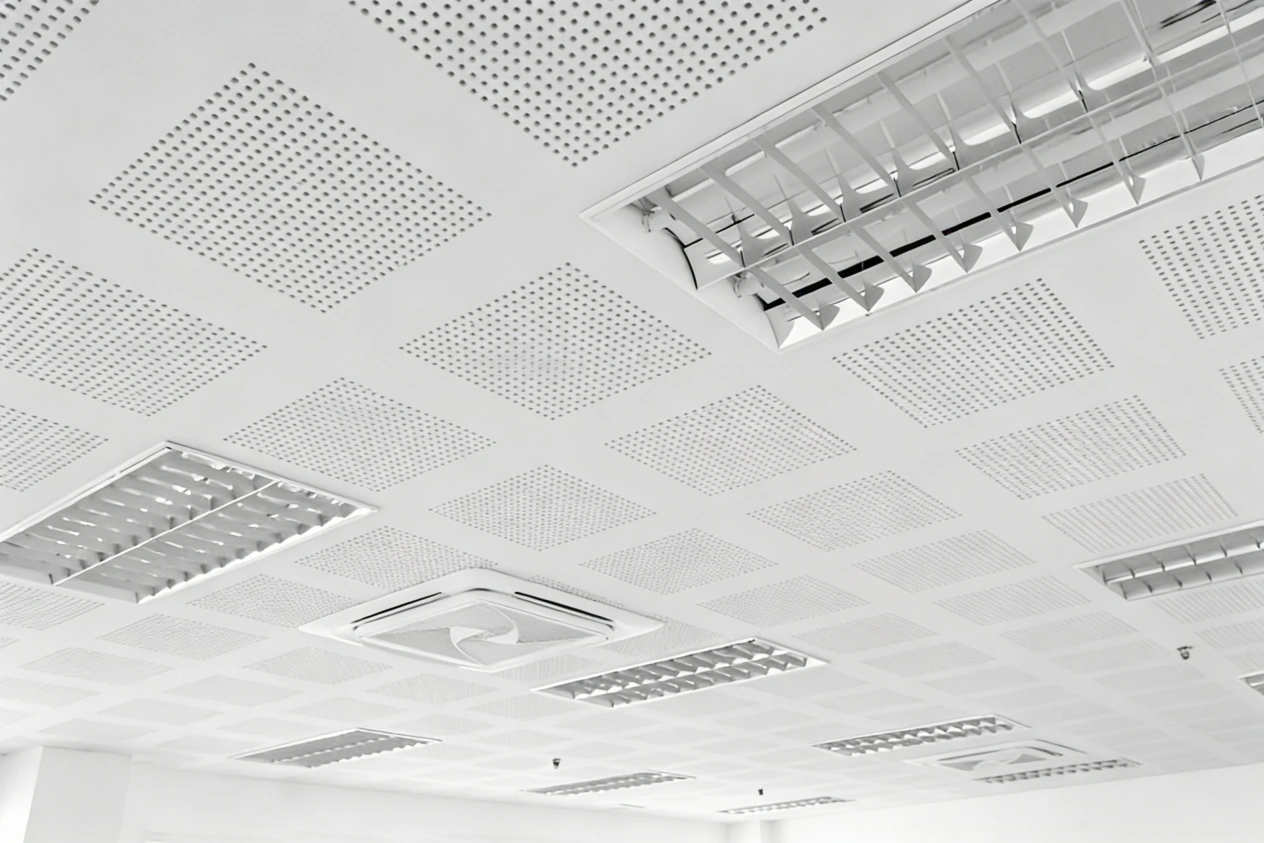
Solid metal might seem like a strange choice for quieting a noisy room. Most people associate metal with loud clanging sounds. But a perforated aluminum ceiling is actually a brilliant acoustic tool. Manufacturers punch thousands of tiny, precise holes into the metal panels. Behind these metal sheets, they place a specialized acoustic pad, often made of dark mineral wool or fiberglass fleece. When noise hits the ceiling, it passes right through the small holes and gets trapped in the soft backing material. It looks sleek and professional on the outside, while doing heavy acoustic lifting on the inside.
Balancing Quiet with Strict Infection Control
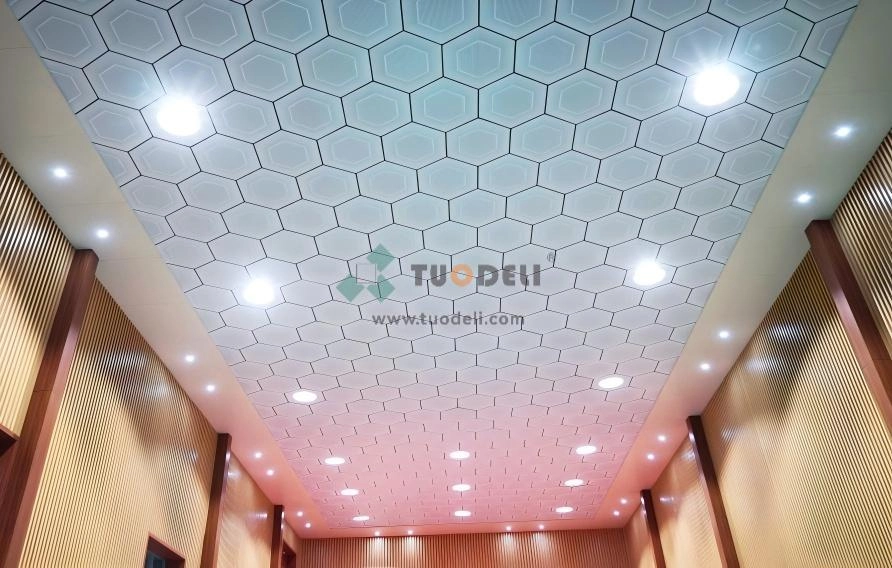
Creating a silent room is great, but medical ceilings face an even tougher challenge every single day. They must stay incredibly clean. You absolutely cannot sacrifice sanitation to get a better acoustic rating. The best hygienic metal panels combine excellent sound absorption with tough, hospital-grade cleanliness standards.
l Defeating Bacteria and Fungus: Moist conditions foster real threats. Areas like hospital restrooms, preparation spaces, and clean wards demand tiles resistant to mold to preserve safe air. Superior metal setups avoid drawing in dampness from the moist atmosphere, so mold and microbes lack surfaces to develop.
l Withstanding Harsh Chemicals: Teams responsible for cleaning in treatment sites apply potent chemical agents to eliminate pathogens. Open-textured, low-cost mineral boards stain, degrade, or distort rapidly upon exposure to these forceful solutions. High-end aluminum boards endure chemical effects and clean with a quick pass without fading. This durability aids routines. It maintains appearance. It extends usability.
l Preventing Dust Accumulation: Conventional sound boards release fine strands and bits gradually as they wear. Such falling particles prove undesirable in operating rooms or critical care units. Firm metal surfaces preserve the overhead area free from descending matter. This feature protects purity. It minimizes risks. It upholds standards.
Practical Design and Building Operations
A hospital ceiling hides a massive network of essential mechanics. HVAC ducts, electrical wiring, oxygen pipes, and data cables all run right above the patient rooms. A well-planned ceiling must accommodate regular technical maintenance without shutting down entire hospital wings or spreading trapped dust into sterile areas.
Integrating a Reliable Plenum Access System
The empty space above the dropped ceiling is called the plenum, and it is usually packed with critical building technology. Maintenance teams need to reach those pipes and wires fast when something goes wrong. If the ceiling is permanently sealed with drywall, fixing a simple water leak becomes a massive construction project. A smart plenum access system uses drop-in grids or clip-in metal panels. A hospital technician can simply pop a tile out, fix the hidden issue, and snap the tile back into place in five minutes. There is no cutting, no plaster dust floating around, and no need to close the busy ward for days.
Long-Term Value and Adaptability
Building a new clinic is wildly expensive, and hospital administrators want building materials that last for decades, not months. Cheap acoustic boards sag when the summer humidity rises. They turn an ugly yellow color around the air vents. They chip and break when maintenance workers move them to check a wire. Advanced metal ceiling solutions easily resist physical impact and moisture. While they might cost a little bit more on day one, they do not need constant replacement every five years. They hold their flat shape, keep their pristine color, and can even be fully recycled if the building is ever remodeled or torn down.
Conclusion
Creating a calm, clean, and safe medical facility is a complex architectural puzzle. The right overhead materials solve many of these challenges at once. By combining excellent sound absorption with rigorous hygiene standards, modern buildings can actively support patient healing and protect staff energy. Administrators do not have to choose between a quiet ward and a clean one. You can have both. If you are planning a healthcare construction project or upgrading an existing clinic, high-quality metal ceilings are a wise investment. Consider exploring the specialized options available from TUODELI. Our engineered hygienic metal panels and complete ceiling solutions deliver the exact performance hospitals require. Contact us today for expert guidance.
FAQs
Q: How do acoustic ceiling tiles improve hospital environments?
A: They absorb echoing noises, providing hospital sound control that helps patients rest and reduces medical staff fatigue.
Q: Are perforated aluminum ceiling panels difficult to clean?
A: No, these hygienic metal panels wipe clean easily and resist harsh, medical-grade chemical disinfectants without taking damage.
Q: Why is a plenum access system important in clinics?
A: It allows fast, dust-free entry to hidden pipes without damaging the mold-resistant tiles or closing busy wards.


