
What Are the Best Materials for Fire-Resistant Ceilings? Pros and Cons
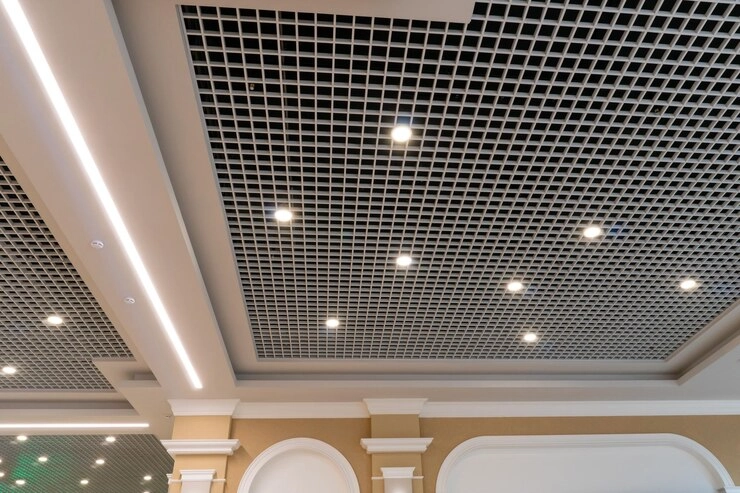
When making or fixing a building, keeping people safe is the top concern. Fire safety is extremely important. Ceilings, which people often forget about, are very helpful in controlling fires. Picking certified fire-resistant ceiling tiles makes a place much safer from fire. It also makes sure you follow safety rules. So, how do you choose the right kind for your job?
Why Fire-Resistant Ceilings Are a Must
Fire-resistant ceilings do more than make a room look nice. They work hard to stop fire and smoke from moving fast.
How Ceilings Stop Fires
Ceilings break buildings into smaller sections. They make it very hard for fire to jump quickly between areas. When used with safe walls or floors, they trap fire in one spot. This gives people more time to get out unharmed. It also makes things easier for firefighters.
Rules and Tests for Ceiling Materials
Building rules everywhere are very strict about ceiling materials. This is extra true for busy places like hospitals, schools, or tall buildings. Groups like ASTM, EN, and UL test these materials. They check that things won't catch fire easily. They also see if flames spread slowly. And they make sure materials stay strong in high heat.
Why You Need Fire-Resistant Ceilings
Using certified fire-resistant ceiling tiles gives many good things. They protect people better. They stop buildings from getting destroyed. They give extra escape time if fire starts. They also follow insurance and law rules. Plus, these ceilings can raise a building's fire rating. This might mean lower insurance costs and higher property value.
Main Materials Used for Fire-Resistant Ceiling Tiles
Knowing about different fire-resistant ceiling materials helps you pick the best for your project.
Metal Ceiling Tiles
Metal tiles are a top pick for businesses. They are super strong and great against fire.
What They’re Made of and Fire Handling
Metal ceiling tiles usually come from aluminum or galvanized steel. These metals never burn. They don't feed fires. They can take very hot temperatures without bending or breaking.
Where They Appear in Large Structures
You find metal tiles in many important places. These include airports, hospitals, shopping centers, train stations, and offices. Also schools, museums, libraries, sports places, factories, hotels, restaurants, parking areas, and big event rooms. They are perfect for large spaces needing both safety and good looks.
Mineral Fiber Ceiling Tiles
Mineral fiber tiles cost less money. They also do a fairly good job with heat.
How They Fight Heat and Flames
These tiles come from natural stone fibers mixed with clay or starches. They naturally resist fire. They also help block heat moving through the ceiling during fires.
Sound Control and Weaknesses
Mineral fiber tiles are great for stopping noise. This makes them perfect for offices or classrooms needing quiet. But water harms them badly. They often fail in wet spots like kitchens or bathrooms without special treatment.
Gypsum-Based Ceiling Panels
Gypsum panels are popular because they work in many places.
How They Handle High Heat
Gypsum holds small water parts inside. When heated, it lets out steam. This cools things briefly during a fire. It slows heat moving through the ceiling.
Dealing with Wet Areas
Regular gypsum boards get ruined by long water contact. But special types like moisture-resistant (MR) boards or glass-reinforced gypsum (GRG) handle dampness better. These work well in basements or bathrooms.
Good and Bad Points for Each Fire-Resistant Material
Every material has strong and weak sides. You need to think hard to choose wisely.
Metal Tiles: Very Long Life vs. Higher Price
Metal tiles last for many years. They never catch fire. But they cost more at first than other choices. However, their long life and low care needs make them worth the money over time.
Mineral Fiber Tiles: Low Cost vs. Water Problems
Mineral fiber tiles save you money. They control noise well and offer okay fire protection. But they get damaged in wet areas without special versions.
Gypsum Boards: Flexible vs. Very Weighty
Gypsum boards fit many needs. But they are extremely heavy. You need strong supports to hold them up when installing.
Things to Think About When Choosing Certified Fire-Resistant Ceiling Systems
Picking the right ceiling system involves more than just materials. You must match it to your building's special needs.
Building Type and Its People
Different buildings have different risks. A hospital needs stronger fire protection than a house. Why? Because it holds people who need extra help. Think about how many people use the place and what happens there.
Local Rules and Certifications (like ASTM, EN, UL)
Always check local building codes before choosing. Materials must pass tests like ASTM E119 or EN 13501-2 to prove fire resistance. UL or CE marks mean the product is real and tested.
Care and Future Expenses
Consider how much work the ceiling will need later. Metal ceilings might cost more now but need little fixing. This saves money compared to mineral fiber tiles over many years.
TUODELI: A Trustworthy Metal Ceiling Supplier
If you want metal tiles, TUODELI is a solid choice. They care about quality and safety.
TUODELI has made aluminum ceilings since 1992. With over 30 years of know-how, they are experts in healthcare, business, school, and transportation projects.
Product Safety Features
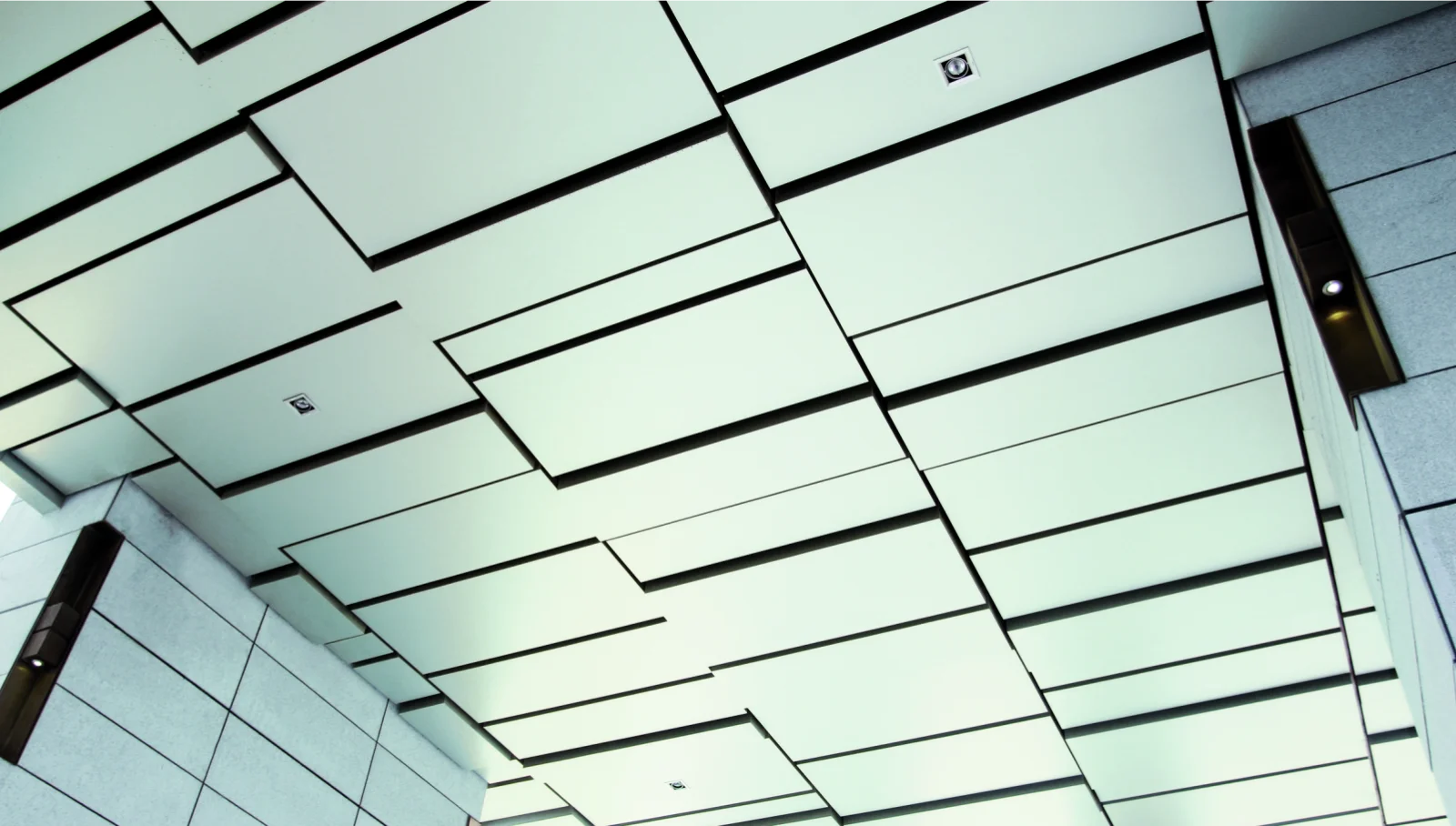
TUODELI’s aluminum clip-in ceilings fit modern building needs. They give Class A non-combustible performance. Their products face tough quality checks and meet standards like ISO9001. They also make custom solutions for special jobs.
FAQs
Q1: How can I tell if ceiling tiles are fire-resistant certified?
A: Look for marks like ASTM E84 (for surface burning), UL 263 (fire resistance rating), or EN 13501-2 (European rule). These should be on product sheets or labels from companies like TUODELI.
Q2: Can mineral fiber tiles work in high humidity areas?
A: Regular mineral fiber tiles get harmed in wet places. But special moisture-resistant types can handle damp spots like kitchens or bathrooms. Always check product details before using them.
Q3: Do metal ceiling systems deserve their higher starting cost?
A: Yes. Metal ceilings last a very long time. They need almost no care. And they are excellent at stopping fires. This makes them a smart long-term choice. Especially in busy or risky places where safety matters most.


