The Historical Significance of Metal Ceilings in Architectural Styles
Metal ceilings have graced beautiful buildings for ages, mixing charm with usefulness. From fancy old designs to simple new ones, their past shows changing looks and clever ideas. This blog looks at where they came from, why they were loved, and how they’re used now. It also highlights their lasting draw. Learn how TUODELI, a dependable supplier, keeps this tradition alive with fresh solutions.
What Are Metal Ceilings and How Did They Originate?
Metal ceilings are pretty or practical panels, often made from stuff like tin, aluminum, or steel. They’re set up to make indoor spaces look better. Their story starts with the need for strong, nice-looking ceiling answers in old buildings.
Early Uses of Metal in Architecture
Metal first helped build strong roofs and supports. But by the 1800s, better metal skills let workers shape detailed ceiling pieces. These early metal ceilings were often painted by hand or pressed with patterns. They decorated places like theaters and churches. Europe and North America used them a lot. In the United States, tin ceilings became a big hit during that time. They added beauty to grand halls, shops, and rich homes.
The Evolution of Metal Ceilings Over Time
Metal ceilings changed as tools and tastes did. In the 1800s, workers made tin panels by hand and often painted them. By the early 1900s, factories made steel and aluminum ones faster. Now, designs can be customized and are kinder to the environment. Mass production in the 20th century made them common in city homes too.
Period | Characteristics |
19th Century | Hand-crafted tin panels, often painted. |
Early 20th Century | Mass-produced steel and aluminum ceilings. |
Modern Era | Customizable, eco-friendly designs. |
Key Materials Used in Historical Metal Ceilings
Old metal ceilings used different stuff, each picked for special reasons. Tin was light and easy to shape for fancy designs. Steel was tougher, so it worked well in factories. Copper didn’t rust easily and looked warm. These materials made ceilings strong and flexible, much like today’s designs, such as TUODELI’s aluminum U-shaped baffle ceiling system.
Why Were Metal Ceilings Popular in Specific Architectural Eras?
Metal ceilings were loved in some times because of their beauty, low cost, and handy features.
The Role of Metal Ceilings During the Industrial Revolution
The Industrial Revolution, from 1760 to 1840, changed metal ceilings a lot. Factories could make them quickly, so they cost less. Cities grew fast then, and people needed materials that wouldn’t burn easily for shops and public places. New machines, like steam presses, made detailed patterns possible. This turned metal ceilings into something artistic, not just useful.
Influence of Art Nouveau and Art Deco on Metal Ceiling Designs
Art styles shaped how metal ceilings looked. Art Nouveau, from 1890 to 1910, loved soft, nature-like shapes. So, metal ceilings had flower or wavy designs. Art Deco, from 1920 to 1939, went for bold, sharp shapes and shiny surfaces. You’d see these in theaters or tall buildings. Those looks still inspire designs today, like TUODELI’s curving aluminum exterior curtain wall.
Economic and Practical Reasons for Their Adoption
Metal ceilings were chosen because they were cheap and easy to use. They often cost less than plaster or wood, especially for big rooms. The panels were light, so putting them up was simple. Plus, they worked well in both homes and businesses, making them a smart pick.
How Did Metal Ceilings Enhance Aesthetic and Functional Aspects of Architecture?
Metal ceilings brought beauty and strength to old buildings, making spaces feel special and last longer.
Unique Design Features of Historical Metal Ceilings
Patterns, Textures, and Finishes
Old metal ceilings were known for their lovely designs. They had pressed patterns, like flowers or straight lines, that looked elegant. Some had rough or wavy surfaces to add depth. Others were painted, polished, or aged to shine. These touches made metal ceilings stand out in places like old living rooms or fancy lobbies.
Durability and Maintenance Advantages in Historic Buildings
Fire Resistance and Longevity
Metal ceilings were valued for being tough. They didn’t catch fire easily, which was great in crowded cities. They also stood up to water, bugs, and rot better than wood or plaster. Plus, they needed little care. This kept them looking good in old buildings for years.
What Are the Modern Applications of Traditional Metal Ceiling Designs?
Today, metal ceilings mix old charm with new ideas, fitting well in today’s buildings.
Reviving Historic Styles in Contemporary Architecture
Blending Tradition with Innovation
Designers bring back old metal ceiling styles in new ways. Old theaters or museums use copycat panels to keep their classic feel. New places, like small hotels or eateries, add these ceilings for a cozy vibe. TUODELI’s skill in custom metal ceiling solutions helps make these projects happen.
Sustainability and Eco-Friendly Benefits of Modern Metal Ceilings
Modern metal ceilings are good for the planet. Aluminum and steel can be recycled, so there’s less waste. Their shiny surfaces reflect light, which saves energy. They also last a long time, so you don’t need to replace them often. This makes them a green choice for projects that care about the environment.
Who Is TUODELI and Why Choose Them for Your Metal Ceiling Needs?
Overview of TUODELI as a Trusted Supplier
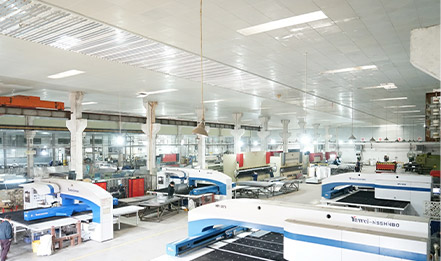
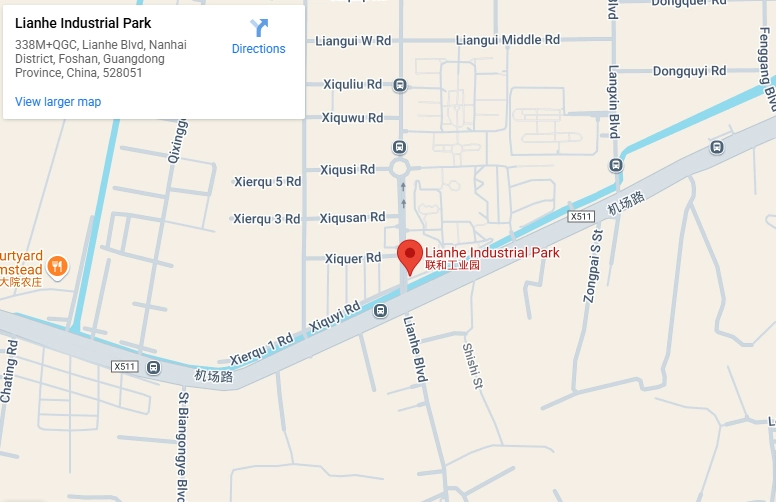
TUODELI, located in Foshan, China, is a top maker of indoor and outdoor metal ceilings and aluminum wall panels. With over 30 years of know-how, TUODELI, once called Foshan Nanhai Lianxing Deli Decoration Materials Co., Ltd., is known for quality and new ideas. Their huge 50,666 m² factory uses high-tech tools, like automatic painting and spraying machines, to create great products.
Expertise in Manufacturing High-Quality Metal Ceilings
TUODELI makes all kinds of metal ceilings, from sound-dampening panels to pretty baffle systems. Their products meet worldwide rules, with awards like China Green Building Materials Product Certification. Big projects, like the Suvarnabhumi International Airport ceiling (216,000 sq.m), show they can handle large jobs.
Commitment to Innovation and Customer Satisfaction
TUODELI cares about what customers want. They offer custom designs to fit specific looks or needs. They also use eco-friendly ways to make their products. This makes TUODELI a reliable choice for builders and designers everywhere.
Conclusion: The Lasting Legacy of Metal Ceilings in Architecture
Metal ceilings have shaped building history, from their fancy start in the 1800s to their green uses now. Their mix of beauty, strength, and flexibility keeps them popular. Whether bringing back old styles or creating new ones, metal ceilings stay a classic choice. Work with TUODELI to bring this history to your next project.
FAQs About Metal Ceilings
What Are the Advantages of Using Metal Ceilings in Modern Construction?
Metal ceilings have many perks. They’re strong and resist wear, water, and bugs. They look nice and can be made to fit any style. They’re also green because they can be recycled. Plus, they’re easy to keep clean.
Can Historical Designs Be Recreated with Modern Techniques?
Yes, new tools let makers copy old metal ceiling designs exactly. TUODELI uses high-tech methods to make detailed patterns that are strong and meet today’s rules.
How Do I Maintain the Appearance of a Metal Ceiling?
Keeping a metal ceiling looking good is easy. Wipe it with a soft cloth and mild soap to clean dust. Don’t use rough cleaners to avoid scratches. Check it now and then for loose parts or rust, especially in wet places. For more tips, reach out to TUODELI’s team on their contact page.
Other News