
The Evolution of Tin Ceiling Tiles: A Journey into Modern Metal Design
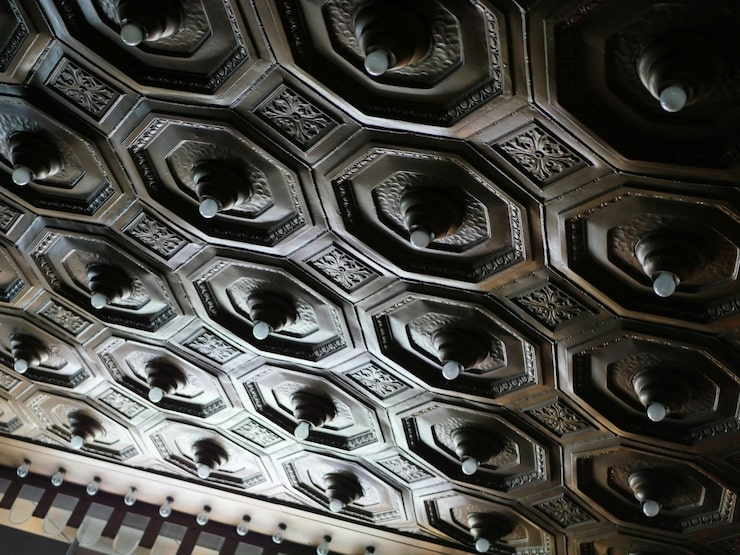
Tin ceilings, or pressed metal ceilings, have intrigued architects, designers, and homeowners for years. Their elaborate patterns and metallic sheen once represented style and frugality. But when were tin ceilings in style? To find out, we need to look at their interesting history, from when they were first found in the 19th century until their revival in the 21st century. This article explores the history of tin ceilings, their most well-liked period, when they went out of style, and how they've impacted current-day high-tech metal ceilings.
Origins of Tin Ceilings
The tale of tin ceiling tiles begins with clever new ideas in industry and art.
The Rise of Pressed Metal Ceilings in North America
Tin ceilings first became popular in North America in the middle of the 1800s. Cities were growing fast. Because of this, people needed building materials that looked good and were also strong. Pressed metal ceilings were a cheaper choice than the fancy plasterwork found in Europe. So, American companies started making these ceilings. They used thin sheets of metal, usually tin-plated steel, that could be stamped with fancy designs.
What's more, they were influenced by European Decorative Styles.
The beautiful look of tin ceilings was greatly shaped by European design ideas. For a long time, rich Europeans had decorated their homes with hand-carved plaster or wood designs. Tin ceilings gave a similar appearance for much less money. This made them affordable for the growing middle class in North America.
First, let's talk about Early Manufacturing Methods and Materials.
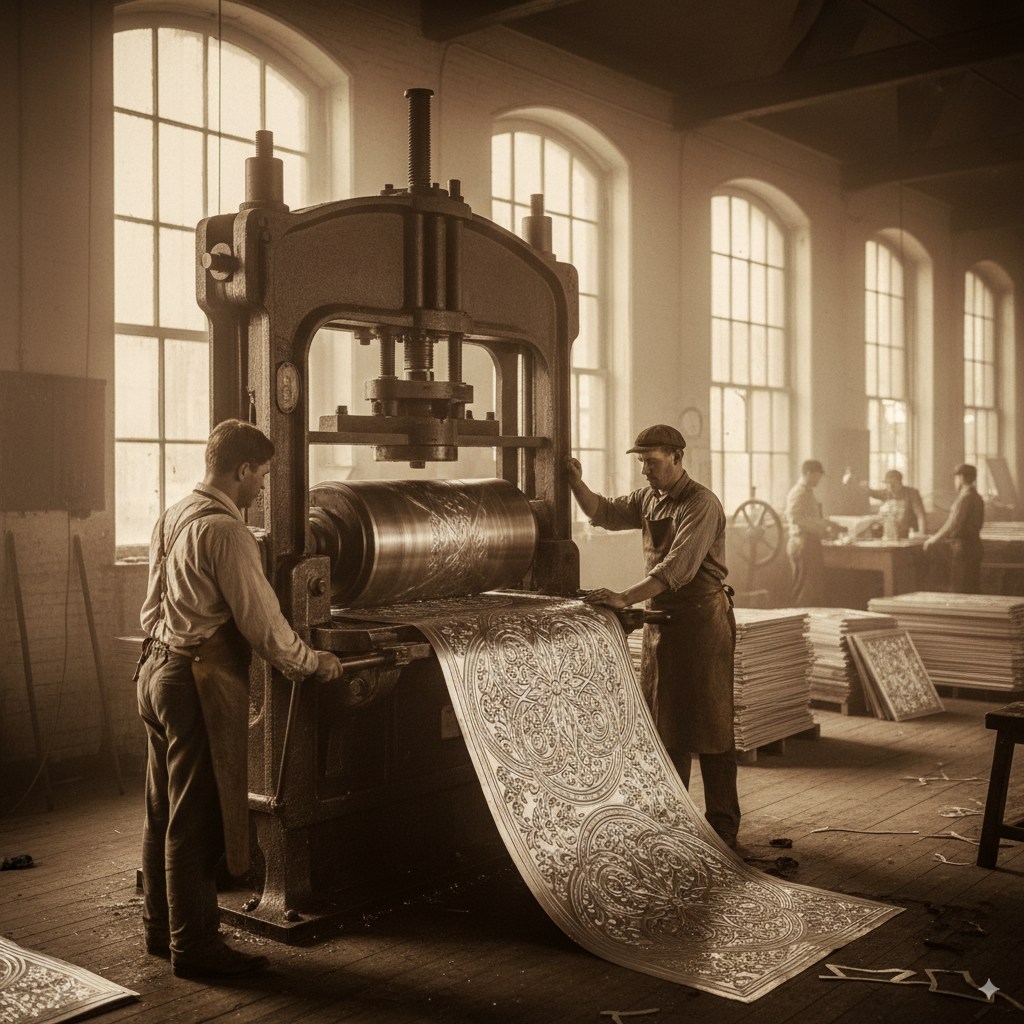
In the beginning, tin ceiling tiles were created from rolled tin-plated iron or steel sheets. Huge mechanical presses with engraved rollers or dies imprinted complex patterns onto the metal surface. Afterward, the embossed panels were often painted white to look like plaster.
The Heyday of Tin Ceilings
From the 1880s to the 1930s, tin ceilings were a key feature of Victorian and Edwardian buildings. They were also fire-resistant. This quality made them very popular after big city fires. Builders used them not only for safety but also for how they looked in homes and businesses. Popular styles included flower patterns, geometric shapes, and big centerpiece designs, which added a bit of affordable elegance.
A Drop in Popularity in the Mid-20th Century
Even though they were once very popular, tin ceilings went out of style. After World War II, architecture changed. Modernism became the new trend. People preferred simple materials like drywall and acoustic tiles. The fancy designs of tin ceilings were seen as old-fashioned. By the 1950s and ’60s, many people thought these decorated ceilings were just a thing of the past.
The Modern-Day Transformation of Metal Ceilings
Lately, there has been a renewed interest in metal ceilings, but with a contemporary update. This comeback isn't just about feeling nostalgic; it's about seeing the new possibilities of metal. The legacy of the original tin ceiling has split into two main directions:
l Specialized Restoration: In historic homes and themed businesses, exact copies of classic tin ceiling tiles are used to keep the old look.
l Functional Advancements: More importantly, the best qualities of tin ceilings—their strength and good looks—have been updated for the 21st century. Now, architects need ceilings that do more than just look nice. They must have great acoustic performance, work well with modern systems like lighting and HVAC, and have a simple, clean appearance. This need has pushed the change from stamped tin to advanced, engineered metal ceiling systems.
How the Traditional Tin Ceiling Became a Modern Architectural System
Although they look different, modern metal ceilings are the direct functional successors of the old tin ones. We can see this change in three main ways:
From Tin-Plated Steel to High-Tech Aluminum: Early ceilings used tin-plated steel. Today, aluminum alloys are standard for top-quality systems. This change offers big benefits. For example, aluminum is lighter, doesn't rust, and can have many different advanced finishes.
l From Stamped Designs to Engineered Sound Control: The main feature of old ceilings was their stamped, fancy patterns. Modern design now focuses on clean looks and high performance. Today's panels have tiny holes and acoustic backings to get a high Noise Reduction Coefficient (NRC). This is a very important feature that old tin ceilings could not offer.
l From a Simple Covering to an Integrated System: In the past, a tin ceiling was just for decoration. Modern metal ceilings are complete integrated systems. They are designed to smoothly include recessed lighting, air vents, and sprinklers. This creates a single, very functional ceiling surface.
TUODELI: Leading the Way in Modern Metal Ceilings
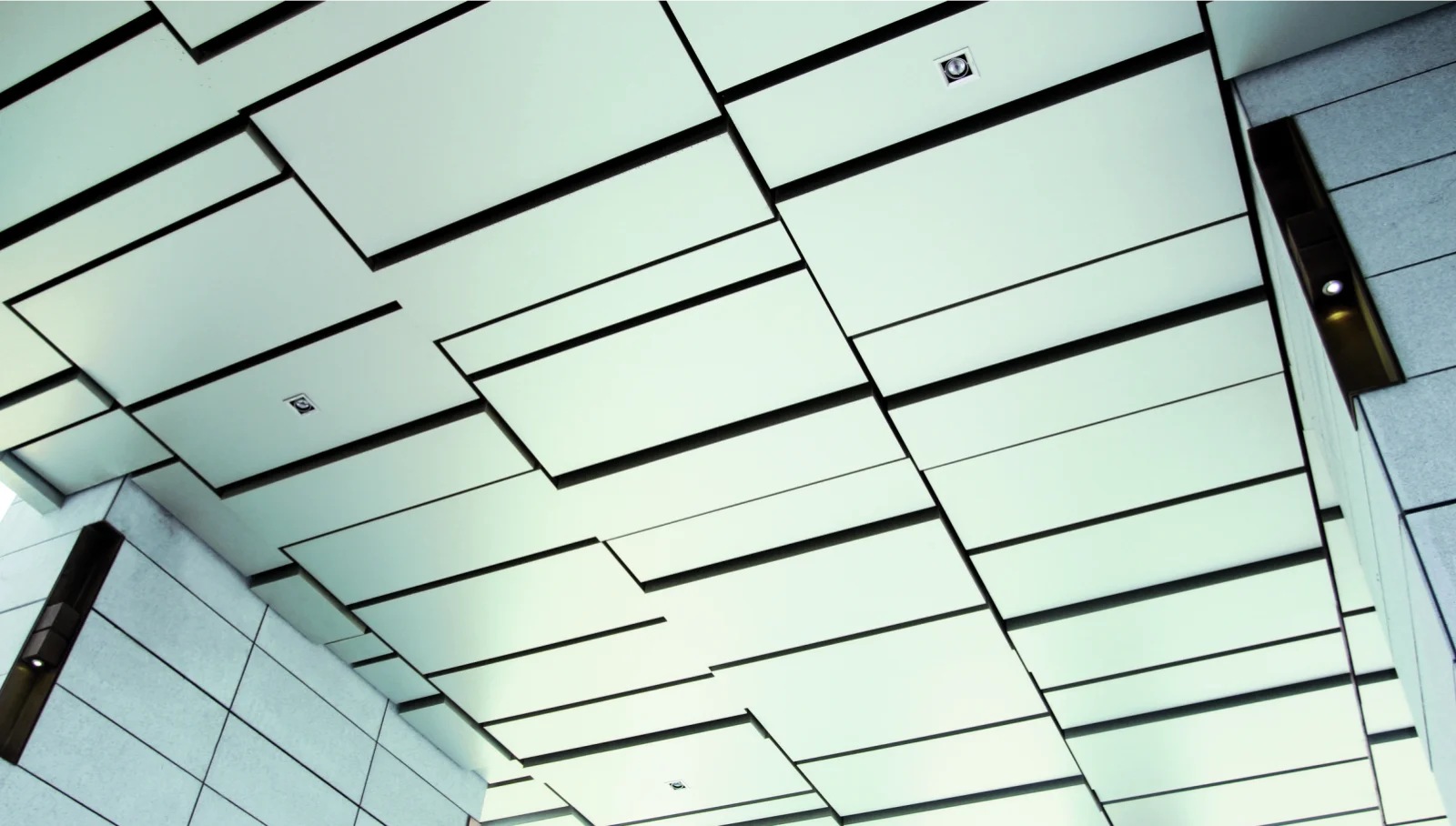
As a leader in this architectural shift, TUODELI shows the move from simple decoration to integrated, high-performance systems. TUODELI respects the tradition of strength set by early tin ceilings. At the same time, the company has spent over 30 years perfecting the modern metal ceiling.
l Innovating Acoustic and Integrated Solutions: TUODELI's specialty is creating advanced acoustic solutions with aluminum alloy panels. Their systems are made to provide excellent sound control and have the clean, modern look that top architects want today.
l A Dedication to Modern Quality: From choosing raw materials to checking the final product, TUODELI's strict QC process makes sure every panel meets international standards for strength, finish quality, and performance. This is a big step up from the basic painted finishes of the past.
l A Product Selection for Today's Needs: TUODELI's offerings, including acoustic panels, fire-resistant wall cladding, and ventilated facades, show what a modern metal architectural system can be. It's a full solution where style, safety, and function all come together.
FAQs:
Q1: What made tin ceilings so popular during their golden era?
A: They were popular because they were cheaper than plaster, fire-resistant, and had fancy designs that looked like expensive European decor. Their peak was between the 1880s and 1930s.
Q2: Why are modern metal ceilings typically made of aluminum instead of the old tin-plated steel?
A: New systems use aluminum because it's a better material. It's lighter in weight than steel, won't rust (which is perfect for many locations), and can be given a wider variety of strong, quality finishes to meet modern building needs.
Q3: How are modern metal ceiling systems installed?
A: Unlike the old nail-up tiles, modern metal ceilings are usually hung as suspended systems on a metal grid. This professional installation is very precise. Besides, it makes it easy to add lights and HVAC units and allows access to the space above the ceiling for repairs.


