
Stainless Steel vs. Aluminum Tile Trim: Pros, Cons & Uses
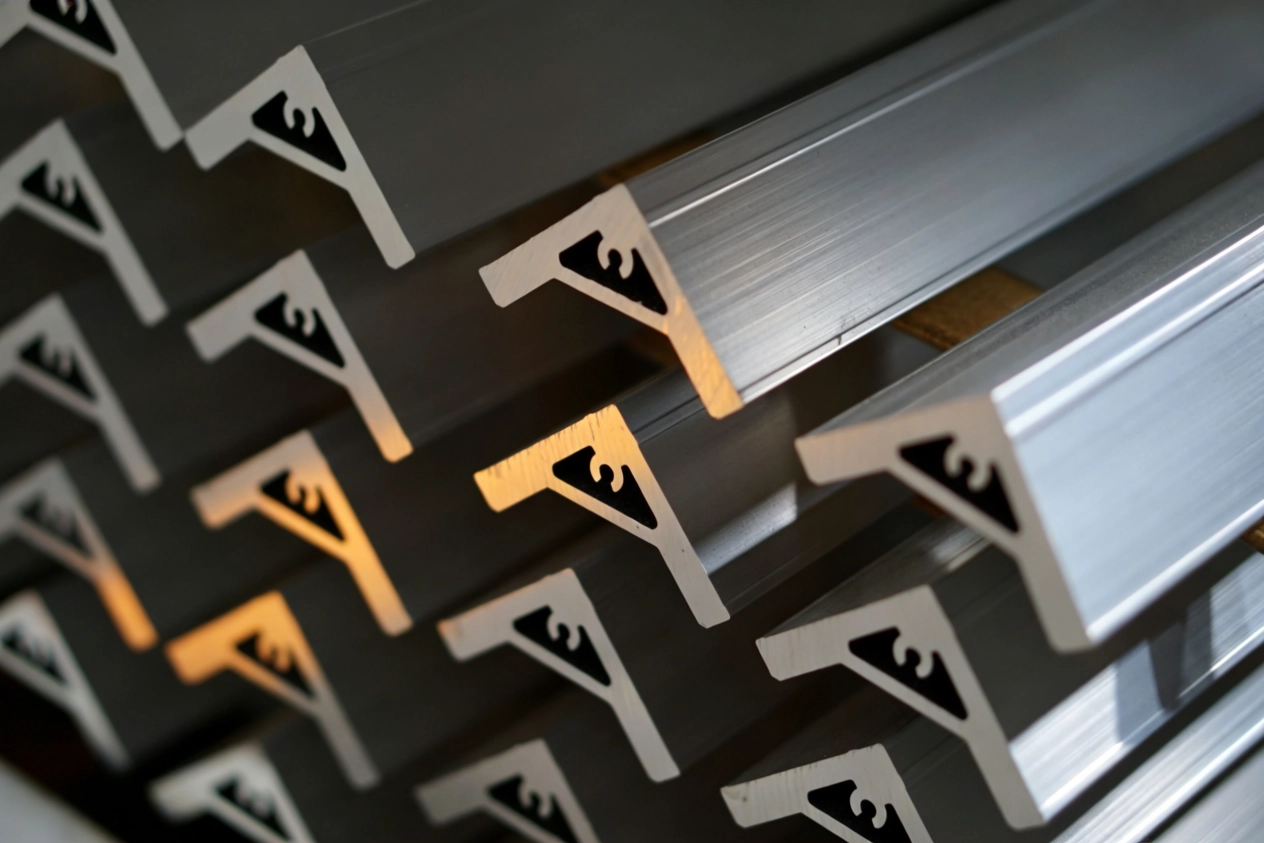 The world of architecture is talking a lot these days about the return of industrial-chic styles. In these designs, rough and uncovered materials stand out strongly. You can notice this change in the growing number of bare concrete walls and metal ceiling systems appearing in large company headquarters in 2026. However, sharp raw edges still need proper protection. This is where a strong metal tile trim becomes very useful. Whether you are outlining a detailed outside wall or completing a modern hotel bathroom, the edge profile decides how the whole space finally looks.
Designers and builders often feel unsure when they must pick between two main choices. Should they go with aluminum or stainless steel? Both metals have their own special looks and strength qualities. Making the wrong choice can cause early damage or push the project costs much higher than planned. This guide explains clearly what you should know about these two materials. It will help you with your next commercial building project.
Core Differences Between the Metals
Before we talk about where to use them, it is important to compare the basic physical and chemical features of these two common materials. Each metal has different structural qualities that affect how well they hold up over many years of regular use in busy commercial places.
Physical Strength and Weight
Steel is a very heavy and solid material. It can take strong hits from moving carts, heavy luggage, or machines without getting dents or losing its shape. Aluminum, by contrast, weighs about 33% as much as steel. This light weight makes aluminum far easier to lift and move around on a noisy and crowded construction site. Still, because it is a softer metal, it can easily get scratches or deep marks when it faces the same rough treatment that steel can handle without problem.
Environmental Durability
Both metals resist rust, but they protect themselves in very different manners. Aluminum forms a thin natural oxide layer on its surface. This layer works like an invisible cover that stops corrosion, so it performs well as a trim in moist indoor areas. Stainless steel uses added chromium to fight rust. The Grade 304 and 316 versions give very strong protection against strong chemicals. That is exactly why steel appears so often in industrial kitchens or swimming pool areas where heavy chlorine quickly damages weaker metals.
Weighing the Advantages and Drawbacks
Picking the right edge protection means finding a balance between the starting cost of the material and the maintenance it will need later. Let us look closely at the real benefits and possible weaknesses of each choice. This will help you reach a wise and money-saving decision for your building design.
Aluminum Tile Trim
Aluminum tile trim is the absolute go-to choice for the vast majority of standard commercial building projects today.
l The Pros: It offers very good value for money and usually costs 40% to 50% less than steel options. Installers like it because they can cut it fast with normal miter saws. This helps the whole job move along more quickly. In addition, it takes powder coating very well, which lets you match the edge profile to almost any company color or interior design plan.
l The Cons: It does not have the same heavy impact resistance as thicker metals. In a crowded warehouse or near a loading dock, a moving pallet jack can easily bend or damage an aluminum edge after one strong hit.
Steel Tile Trim
When structural failure is not an option, builders consistently turn to steel tile trim to protect highly vulnerable corners.
l The Pros: The strength and solid build of steel cannot be matched by other common building metals. It gives a high-quality and expensive appearance that reflects light nicely in entrance halls. It can survive repeated rough use, which makes it the right pick for the busiest public transport areas.
l The Cons: The original cost of the material is much higher. Also, cutting thick steel needs special rough blades and takes longer on the work site. This extra time increases the total labor cost for the project.
Evaluating Common Tile Trim Uses
The material you select has a direct effect on how these edge profiles work in actual situations. From lively public entrance halls to clean healthcare buildings, architects depend on certain profiles to satisfy both the practical needs and the visual aims of each space.
The scope of tile trim uses extends far beyond simple bathroom walls. Modern architecture integrates these profiles in several creative ways:
l High-Traffic Floors: In shopping malls and airport terminals, edge profiles protect the delicate transition between hard ceramic tiles and soft carpet. Steel is usually preferred here due to the constant foot traffic and the heavy motorized cleaning equipment used nightly.
l Wall Panel Framing: Commercial lobbies often feature large-scale stone or metallic wall panels. Aluminum profiles work perfectly here to neatly frame the panels, offering a clean geometric line without adding unnecessary weight to the vertical wall structure.
l Ceiling Transitions: Suspended ceilings and acoustic open-cell ceiling designs always need neat perimeter finishing. A lightweight commercial tile trim creates a seamless, crisp transition from the metal ceiling grid to the surrounding drywall.
l Exterior Cladding: Single skin profile panels are frequently used for exterior building facades. A robust edge trim helps seal the borders of these panels against harsh weather conditions and heavy rain.
Best Practices for Metal Trim Installation
Even the best materials will not last long if the installation team puts them together the wrong way. Good methods decide how long the edge protection will last. They need exact measurements and the proper tools to reach a perfect final result.
Good metal trim installation depends on careful preparation and choosing the correct approach for the metal you are using:
l Cutting Techniques: You should always use a non-ferrous carbide-tipped blade when cutting aluminum profiles. For steel, a special metal-cutting abrasive wheel is necessary. If you cut steel too quickly, it creates too much heat and may leave permanent marks on the metal edge.
l Adhesive Application: Do not use too little mortar. Spread the thin-set straight onto the wall base, push the perforated fixing leg of the trim deep into the mortar, and then add another layer of mortar over the leg. This method holds the profile tightly and permanently in position.
l Expansion Gaps: Metals naturally grow and shrink when the temperature changes with the seasons. Leave a 2mm space between the tile edge and the metal trim. This small gap allows for that tiny movement. Fill the gap with flexible grout or silicone instead of hard cement. This step helps stop future cracks from forming.
l Surface Protection: Keep the clear protective plastic film on the metal until the final stage of the project. Grout and mortar can easily scratch the shiny surfaces of the trim if you try to clean them too hard with a rough sponge.
Elevating Commercial Spaces with TUODELI
Adding high-quality finishing touches can quickly turn an ordinary room into a really special environment. When you buy materials from a manufacturer with long experience, you get complete solutions that match your exact design plan.
Making a unified architectural design needs materials that fit together smoothly. Whether you are choosing open-cell suspended ceilings, detailed building facades, or strong interior wall panels, every transition is important. At TUODELI, we focus on supplying excellent decorative building materials made for modern construction. Our strong product range works well with different edge profiles to produce the clean and professional look your clients want.
If you are trying to solve a tricky ceiling drop or a difficult wall change, our team stands ready to assist you in planning it. You can look through our solutions page for fresh ideas on combining various decorative metal parts in commercial buildings. Are you prepared to talk about your particular material needs? Please contact us today.
Conclusion
Deciding between stainless steel and aluminum depends on understanding the real daily demands of your building. If you have a tight budget and need a light, easily shaped option for decorative walls or suspended ceilings, aluminum is very hard to beat. It cuts without trouble and stands up well to moisture. On the other hand, if your project includes a heavy-duty industrial floor or a busy commercial kitchen that receives strong daily wear, paying a bit more for steel will help you avoid expensive repairs later. Both metals give reliable edge protection and a clean modern appearance. By matching the strong points of the material to the actual conditions of the environment, you can create a beautiful and long-lasting finish that stays good for many years.
FAQs
Q: What is the best metal tile trim for bathrooms?
A: Aluminum is excellent for wet bathrooms because it serves as a highly effective corrosion-resistant trim that prevents rust completely.
Q: Can I use aluminum tile trim on floors?
A: Yes, but only in low-traffic areas. For busy commercial tile trim applications, steel handles heavy foot traffic and impact much better.
Q: Is metal trim installation difficult for beginners?
A: It requires patience and accuracy. Cutting steel is challenging, but aluminum tile trim uses standard tools, making it somewhat easier.


