Pre-Shipment Inspection for Custom Metal Ceiling Panels

A custom metal ceiling panel leaves when the crate at the door matches the references written for that order. The film can pass and the diagonal can still be out. The diagonal can pass and the count can still be short one type. One look across the crate will miss one of those, and the bench that fixes the film is not the bench that fixes the diagonal. A lot that looked fine beside the coating line becomes a claim the morning someone has to open it on site.
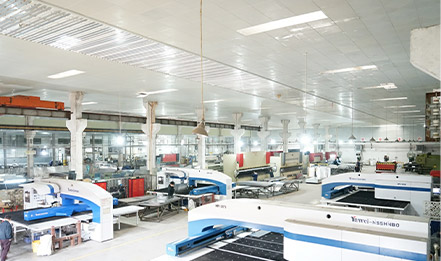
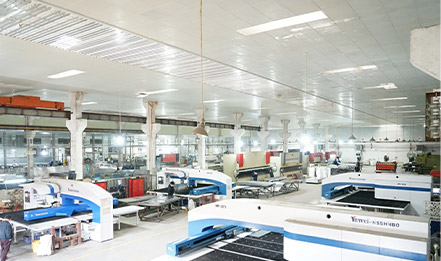
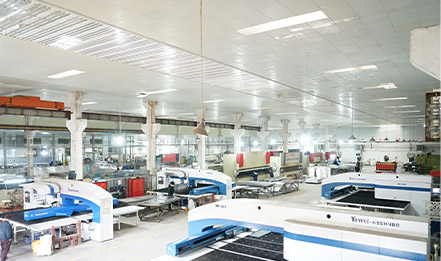
Foshan Nanhai Lianxing Deli Decoration Material Co., Ltd. runs the product process that sits in front of a release. Pattern and design verification is on that process. So are shaping dimensional inspection and after coating surface inspection. Random sampling and testing, rejection and rework, and a final inspection are on it too. Each step has a subject. On this job, “passed” means the sample reference, the drawing revision, the packing list and the inspection instruction.
The approved set is the only reference
The sample this order is tied to is one object. A board that lives in the showroom is a different object. So is a leftover panel from the tower finished in March, and so is a finish that only looks close under the office fluorescents. Name the sample. Then check the crate against that name.
The sample carries colour, film and pattern
At pattern and design verification we hold the piece to the pattern and the design that were approved. Colour and film belong in that comparison. When the order cites the sample by a code and a date, the check has a target. When the order only says “match the rendering,” the factory and the site are not looking at the same object on the day the container opens.
A long project does not keep that approval alive by memory. Name the sample again on each release. A recoated batch, a second shipment, or a panel added after a drawing change needs its own reference, even when the colour name on the specification has not changed. Bring the physical reference procurement actually signed, and the finish batch with it when the project is sensitive to a shift in film.
Size stays on the drawing, and the count stays on the packing list
A metal tile ceiling is a set of pieces the drawing has already distinguished. The packing list says how many of each of those pieces this shipment contains. A panel that matches the sample and misses the current drawing revision is the wrong panel. A panel that matches the drawing and is missing from the list is a short shipment, however clean the film looks.
The same list is the count when the crate holds an open-cell ceiling. Members go on the packing list as pieces. They are not a square-metre allowance someone can round off at the dock.
Colour and flatness are checked against different things
A metal panel flatness and colour check is two records. Bundling them into one “looks fine” note is how a dished panel receives a colour approval, and how a film complaint gets filed against a panel whose coating was sound.
After coating, the surface is its own check
After coating surface inspection is where we look at the film once it is on the metal. Diagonal sits on another record. Pattern and design verification sits on another one again: is this the design that was approved. The question here is narrower. Did this film come out clean. Contamination in the film fails the piece. An edge where the coating starved fails it too. So does a patch that will not sit with the sample, even when the blank underneath was already the right size.
Keep the colour sample with this record. A drawing note that says “grey” is not a film reference. If two coating lots are in the same shipment, identify them on the inspection sheet so a later touch-up uses the lot that was actually released.
Shaping dimensional inspection takes the form
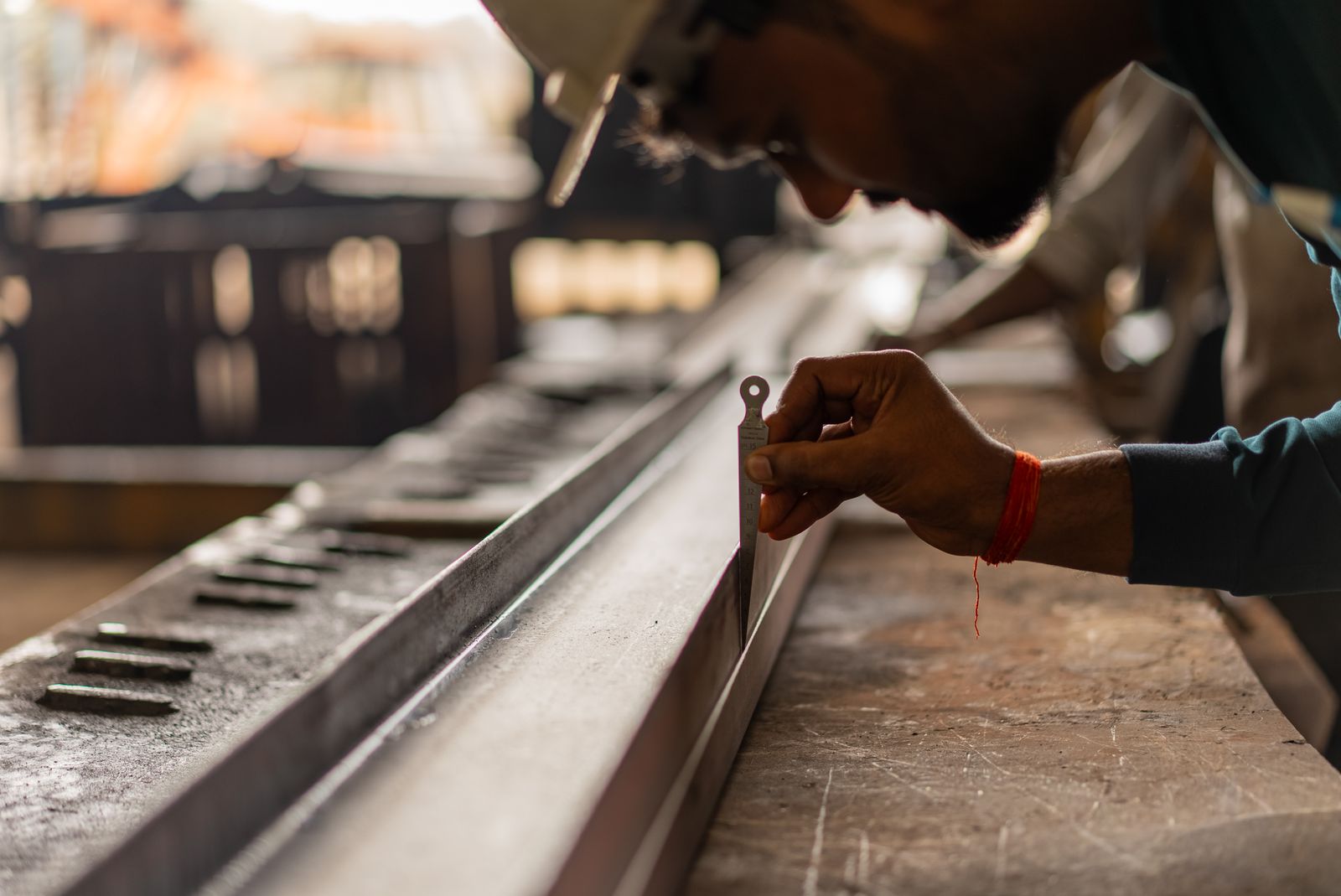
Shaping dimensional inspection is where we look at the formed piece. Diagonal, edge and flatness are read against the drawing revision. A colour chip cannot tell you that a panel is dished. When the project needs a flatness limit, a diagonal tolerance or a particular edge, those limits live in the revision the inspector is holding. The process names the check. The revision supplies the limit.
Oil-canning and a coating defect often share one complaint email. They leave through different steps, and they are corrected differently. Split them on the inspection record so rejection and rework knows which one it has.
Count and packing are part of the release
Sealing the crate is part of factory inspection of metal panels before shipping. A sound panel that never went into the crate has not been released.
The list is a count of types
Final inspection closes against the packing list: which type, which size, which finish, how many. Crate design, corner protection and the way a film survives a long sea leg are a different job. They matter on their own terms. They do not answer whether the pieces named on the list are the pieces about to be sealed.
Custom panels are a poor place to make up a difference from another type. A 600 by 600 panel does not stand in for a 600 by 1200 panel because both are metal. The list is specific because the drawing was specific. If a type was revised after the list was printed, the list is revised before the count, not afterwards in a margin note nobody photographs.
A miss here is corrected while the doors are still open
Final inspection is where we close the release, count included. A missing type, a swapped finish, or a quantity that disagrees with the list stops that close. Fixing it while the crates are still in the factory is a recount and, where the piece itself is wrong, another pass through rejection and rework. Fixing it after arrival is a claim, a delay, and a ceiling that cannot be closed on the programme.
Ask for the list beside the inspection record. A sheet that says “passed,” with no list attached, does not tell the next person what was passed.
A failed sample holds the lot in the factory
AQL sampling for building materials, used on a custom ceiling, is a lot decision. One failed panel in the sample is not a spare the site can sort out after unloading.
The order writes the sampling rule
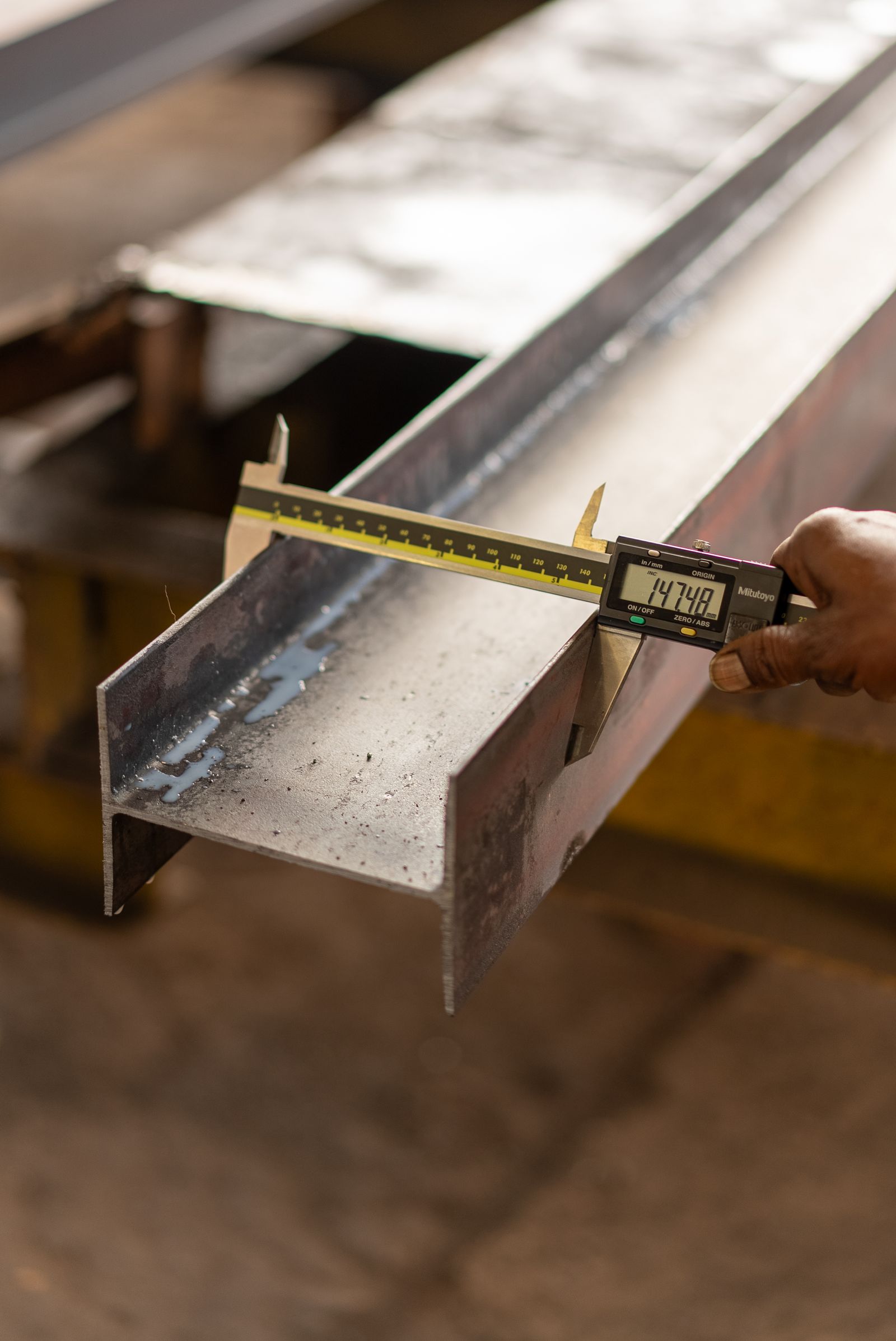
Random sampling and testing is where we pull a sample and read it against the instruction in the order. That instruction is where the inspection level and the AQL belong. The pull is not a walk past every panel, and a clean majority in the rest of the crate does not override a sample that failed the rule the buyer wrote. If the order never names a level or an AQL, the pull has no acceptance rule. Put both in before anyone opens a crate to sample it.
Write, in the same place, what a defect is on this project. A film that does not match the sample, a diagonal outside the revision, a wrong perforation, a piece from the wrong line of the packing list: each of those has to be named if it is going to fail a lot. A sampling rule with no defect definition becomes an argument on the day the sample is on the table.
Rejection and rework keeps the lot where it can still be opened
Rejection and rework is the named step for a lot the sample did not pass. Final inspection closes a lot that has already come through that step. Write into the order that a failed sample stays with the lot, in the factory, until the same instruction is applied again. A failed sample that is loaded has left the only place where the lot can still be opened without a freight claim.
When the rework is finished, the lot is sampled again against the same order instruction. The second pass does not get a softer rule because the first sample failed. The sample reference, the drawing revision and the packing list are still the set.
Conclusion
The crate is released when the approved sample, the drawing revision and the packing list all agree with what is inside it. Pattern and design verification and after coating surface inspection cover the surface. Shaping dimensional inspection covers the form. Random sampling and testing applies the rule written in the order. Rejection and rework is the step a failed sample returns to. The order is what keeps that lot in the factory until the same instruction is applied again. Final inspection is the close, and the count is part of that close.
Send TUODELI the sample reference, the drawing revision and the packing list, and write the inspection point into the order, before anyone calls the lot ready to ship.
FAQs
Three release questions still arrive after the checklist has been agreed.
Q1: Can one approved sample police both colour and flatness?
A1: The sample is the reference for colour, film and pattern. Flatness, diagonal and edge are read at shaping dimensional inspection against the drawing revision. Keep the two records apart.
Q2: Who chooses the AQL?
A2: The buyer writes the inspection level and the AQL into the order. Random sampling and testing uses that instruction. Without the line, the sample has no acceptance rule.
Q3: What happens to a lot that fails the sample?
A3: It goes to rejection and rework. The order keeps the lot in the factory until the same instruction is applied again. Final inspection is the close of a lot that has already passed that rule.
Other News