
Metal Ceiling Perforated Panels: Acoustic Benefits vs Solid Designs
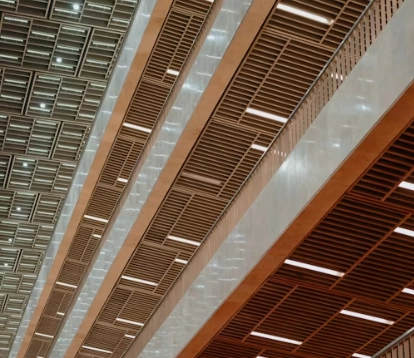
Metal ceiling systems find wide use in commercial and institutional settings, including offices, airports, healthcare facilities, and retail spaces. Perforated metal ceiling panels stand out because of the deliberate holes created in them, placed in even or artistic designs. These openings come in different sizes, forms, and spacing levels. The main aims are to boost sound absorption and add creative options. Perforated panels include designed holes that differ in size, form, and layout.
People choose them when they want the most even appearance or when sound bouncing back is helpful. Solid panels give a steady surface with no gaps, creating a consistent view. The thickness of the material can change, too. For perforated types, they might need a bit more thickness to stay strong after the holes are made. Edge shapes often get designed in specific ways to fit hanging systems or style needs.
How Do Perforated Metal Ceilings Improve Acoustics Compared to Solid Panels?
In places like meeting rooms or busy airport areas, managing echo is key to a good experience. Engineers design perforated metal ceilings to handle sound well. Noise travels through the small openings and gets soaked up by the insulating layers placed behind the panels. Experts measure this sound-catching ability with the Noise Reduction Coefficient (NRC). Setups with more holes packed closely or using tiny perforation methods can reach NRC levels up to 0.95. Factors like hole size, how they are arranged, and the amount of open space all play a role in determining the Noise Reduction Coefficient (NRC). As a result, these ceilings make rooms quieter and more pleasant. So, they suit certain uses but not others where quiet is needed.
A smart way to get the best sound results is by combining perforated panels with backings like soft acoustic fabrics or mineral wool. Choosing the right backing helps catch sounds over a larger range of pitches. For the best results, the backing needs to fit closely against the panel. This combination ensures the ceiling performs reliably in various environments, from offices to public halls.
Can Metal Ceilings Still Offer Design Flexibility Without Compromising Function?
Yes, they certainly can. One big plus of metal ceiling systems, particularly the perforated ones, is how much room they leave for creative choices. Architects can pick hole patterns that are straight or flowing to add eye-catching details. Many times, custom holes serve not just for sound control but also to include company logos or guide signs. This makes the space both functional and personal.
Solid panels, by comparison, deliver a clean, single-piece look that fits perfectly with simple, modern styles. Solid designs provide a smooth, all-in-one finish that many like in basic interiors. Both kinds can get special treatments like powder coating, metal shining, or wood-like covers to blend with different room themes. These finishes help the ceilings match the overall decor without any issues.
Fitting in other elements, such as lights, air vents, and fire alarms, works better with perforated choices because of their built-in gaps. The holes allow air to flow easily and let light fixtures blend in naturally. For solid ceilings, you usually need careful cuts to add these, which can make setup more tricky. Even so, both types support good integration when planned.
TUODELI’s aluminum ceiling options show this creative side well. Their lineup covers baffle setups to tile and open cell styles, handling everything from straight edges to lively designs. Check out their metal baffle ceiling systems for spaces that look great and handle sound effectively. TUODELI® metal baffle ceiling systems consist of suspended linear metal panels, often available in various sizes, finishes, and configurations, offering endless design possibilities. With such variety, projects can achieve exactly what they need in terms of style and performance.
Are Metal Ceilings Fire-Safe and Durable Over Time?
Indeed, they are. Safety from fire and long-lasting strength rank high among the best qualities of both perforated and solid aluminum ceiling systems. These features make them reliable choices for many buildings.
Aluminum ceiling systems usually achieve Class A fire ratings for use in commercial interiors. This means they have low rates of fire spreading and smoke building up. Perforations don't weaken this safety if the panels pair with approved insulation. Perforations do not compromise fire performance when paired with certified insulation materials. Therefore, they stay safe even in demanding conditions.
When it comes to upkeep, both styles hold up against rust and bending in everyday situations. Aluminum naturally fights off corrosion, which proves extra useful in damp areas or places needing high cleanliness, like cooking zones and medical centers. This built-in protection saves time and effort over the years.
How Do Perforated Panels Compare Economically Over the Building Lifecycle?
Upfront costs differ between the two panel styles. Perforated ones, especially with special hole designs, cost more to make because of the unique tools needed. Custom perforation patterns increase production costs due to tooling requirements. Solid panels tend to be cheaper since their manufacturing process is more straightforward. This initial difference can influence budget decisions at the start.
That said, looking at the full lifespan, perforated systems frequently give better value in the end. The sound benefits mean you might skip extra noise fixes in other parts of the building. Plus, they aid in saving energy, particularly with shiny surfaces that make better use of daylight. These advantages can lower bills over time and improve the space's efficiency. Costs for ongoing care stay low for either type thanks to aluminum's tough build. This keeps both options strong for total cost savings throughout the building's life.
Who Can You Trust for Custom High-Performance Metal Ceiling Systems?
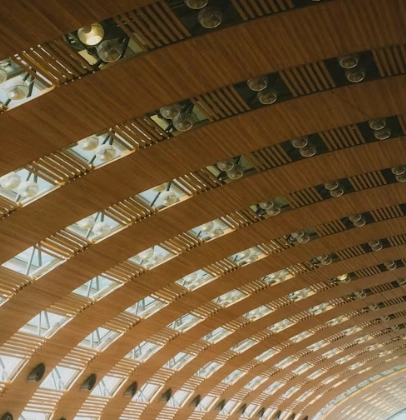
For experts looking for carefully made ceiling solutions that balance style and technical needs, TUODELI emerges as a top worldwide provider. With more than 30 years in creating sound-absorbing ceiling systems and fire-safe wall covers, TUODELI supplies custom items that follow global rules for safety and eco-friendliness. Their experience ensures products that perform consistently across diverse projects.
Their products feature metal tile ceilings built for heavy-use spots like hospitals and airports. These offer improved sound control along with outstanding strength and simple care. No matter if the job calls for top NRC scores, special visual touches, or fitting with complicated mechanical setups, TUODELI’s skilled making processes and focus on excellence position them as a dependable teammate. Clients can count on support from design to installation, ensuring smooth results.
What Should Guide Your Decision Between Perforated and Solid Ceiling Systems?
If controlling noise ranks high, as in schools, meeting spaces, or open offices, then perforated tiles with suitable backings bring clear gains in handling sounds. These setups reduce distractions and enhance focus in shared areas. In places needing an even look or sound reflection, such as art displays or event rooms, solid panels could work better. They provide that seamless surface without interruptions, supporting the intended atmosphere. Think about how lights or air systems will fit in, too, when choosing. Easy access through modules helps both styles, but it becomes vital if you need to reach behind the ceiling often for checks.
FAQ
Q1: Are perforated metal ceilings suitable for environments like kitchens or bathrooms?
A1: Yes, when manufactured from treated aluminum alloys with appropriate coatings (e.g., powder coating), perforated ceiling tiles resist corrosion even in humid conditions.
Q2: What’s the best way to select a perforation pattern for optimal acoustic absorption?
A2: The ideal pattern depends on the desired frequency range for absorption; denser micro-perforations combined with proper backing materials yield higher NRC values across a broader spectrum.
Q3: Can TUODELI customize ceiling products for unique architectural needs?
A3: Absolutely; TUODELI offers full customization, including panel dimensions, perforation geometry, color finishes, edge details, and integration options to meet specific project demands.


