
Integrating Lighting and HVAC Systems with Open Plenum Baffle Ceilings
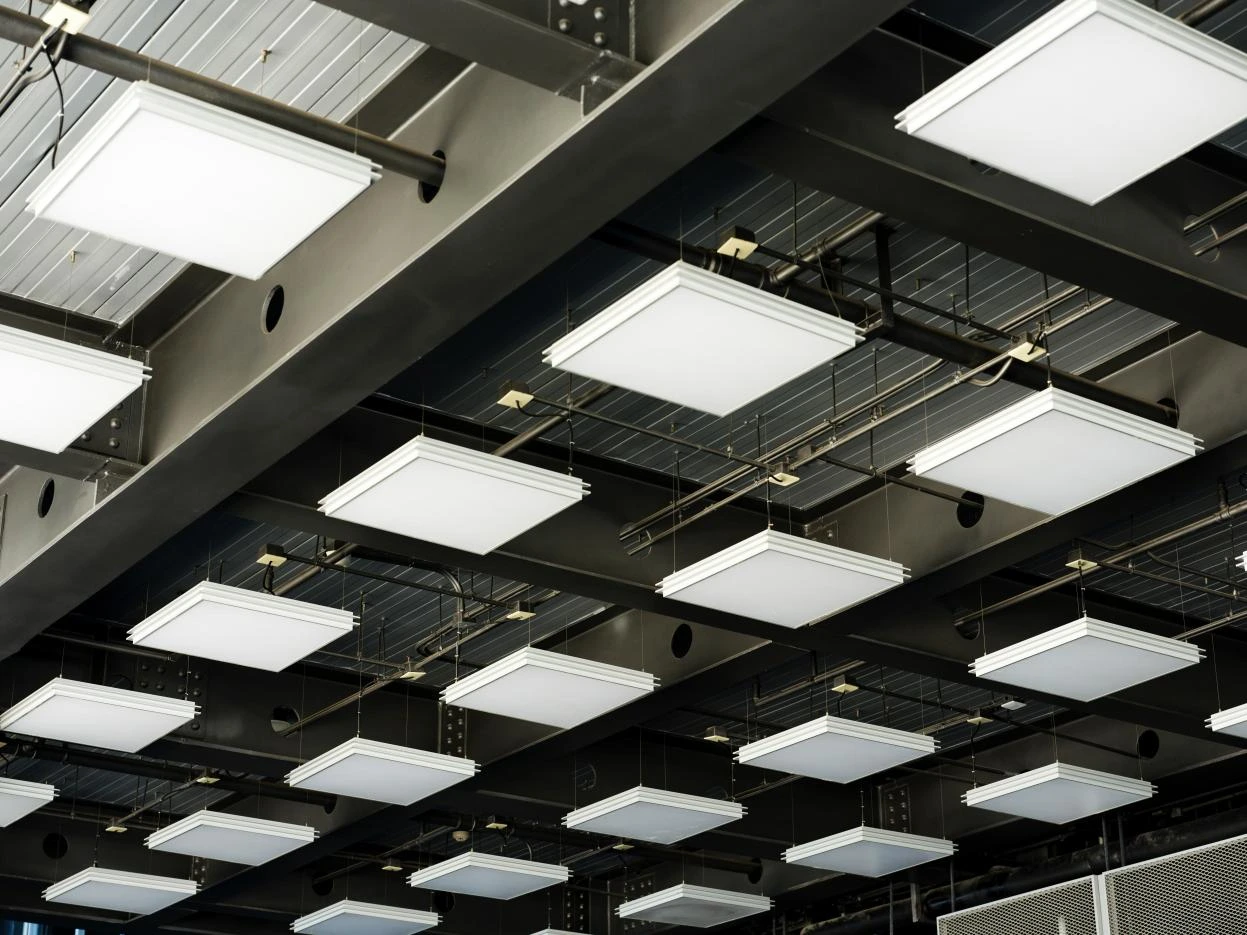
Have you ever walked into a newly renovated commercial building, looked up, and felt completely distracted by the tangled mess of wires, silver air ducts, and harsh fluorescent tubes? You want that spacious, modern, industrial feel for your property, but you absolutely do not want it to look like an unfinished construction zone. The immediate answer to this extremely common architectural headache is an open plenum ceiling. It keeps the original height and sheer volume of the room intact while smartly masking the ugly mechanical parts above.
For builders and designers trying to blend daily function with a clean, sharp look, an aluminum baffle ceiling provides the exact structural layout needed. It hides the overhead chaos and holds your necessary utilities securely. You do not have to paint everything black and hope no one notices the pipes. Instead, you can use physical design elements to shape how people see the space.
The Challenge of Exposed Utilities in Commercial Spaces
It is a daily struggle for architects to keep a commercial building fully functional without ruining its visual appeal. You have to fit large air conditioning units, security lines, and complex wiring into a very tight upper area. The key is finding a structure that actively accommodates these elements rather than fighting them.
l Visual Clutter: Standard raw ceilings expose every single wire, hanger, and pipe. This creates a chaotic environment that visually distracts employees in an office or shoppers in a retail store.
l Air Circulation Blocks: Traditional flat drop tiles completely seal off the upper area. This forces all the air to be pushed down aggressively through specific, often noisy, metal vents.
l Maintenance Hurdles: When a pipe leaks or a complicated lighting ballast dies, maintenance teams usually have to tear down sections of drywall or brittle acoustic tiles. This adds unexpected repair costs and creates huge messes.
l Acoustic Echo: Hard exposed concrete and metal ducts bounce sound waves everywhere. Without absorbing materials, a simple conversation turns into a loud, annoying echo across the entire floor.
Leaving the roof completely bare might seem like a trendy, cheap shortcut, but the practical downsides quickly become a major nuisance. Shifting to a slatted or baffled layout allows you to keep that airy, open vibe while taking firm control of the visual mess.
Making HVAC integration Work for Your Space
Heating and cooling setups demand ample space to operate effectively. Attempting to confine them too closely limits the movement of air and increases your regular power costs. A carefully arranged linear baffle ceiling addresses this precise concern by permitting air to pass unhindered through the upright metallic strips, thus keeping the large devices hidden from plain view.
Hiding Ducts with Strategic Viewing Angles
The primary technique for an effective open plenum ceiling involves manipulating how people observe their surroundings. By placing upright partitions at set distances, you obstruct the direct gaze for those positioned below in a typical stance. For instance, suspending partitions that measure 4 inches in depth and separating them by precisely 4 or 6 inches apart ensures the conduit system stays fully blocked from a 45-degree perspective. Individuals moving across a crowded entrance area perceive only a tidy, patterned metallic arrangement. They stay entirely oblivious to the substantial cooling units positioned merely a short distance overhead.
Promoting Healthy Air Circulation
In contrast to level wallboard that confines heated air and produces stifling, unpleasant interiors, a metal baffle ceiling encourages an ongoing, beneficial swap of internal atmosphere. The spaces among the sections enable chilled or heated air from the overhead conduits to descend effortlessly into the space. This natural movement assists business cooling systems in operating with reduced effort, thereby maintaining even warmth levels in vast, challenging zones such as travel hubs or retail complexes.
If your current project suffers from poor air distribution or ugly exposed vents, it is probably time to rethink your overhead layout. Exploring a professional aluminum baffle ceiling configuration can instantly upgrade the climate control and completely transform the overall look of your building.
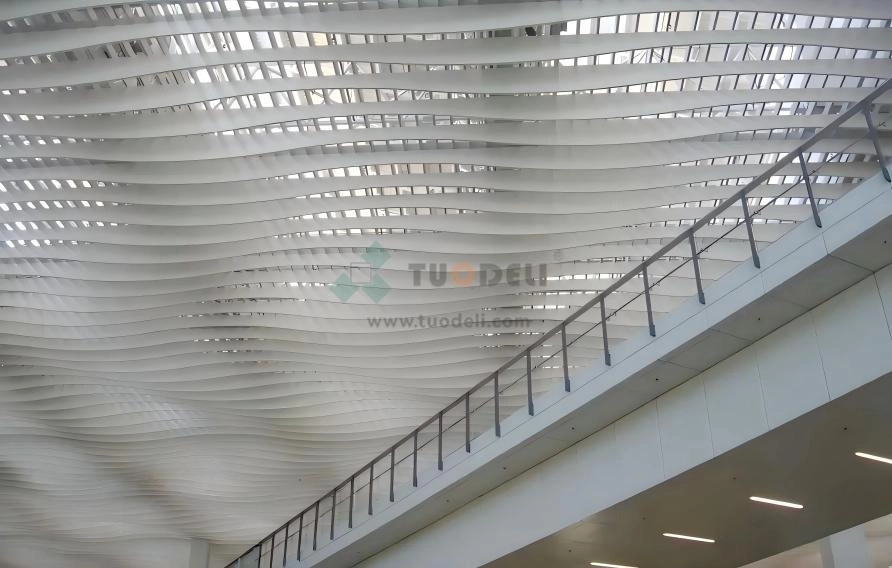
Bright Ideas for lighting integration
Illumination establishes the overall tone for an interior, yet determining the optimal spots to secure the devices in a wide, uncovered upper region seldom proves easy. A deliberate ceiling system design provides a sturdy, dependable base to attach various items, ranging from gentle ornamental hangings to intensely vivid, directed work lights, all without rendering the upper surface cluttered.
Mounting Options for Open Spaces
You generally have two main paths when adding light to a slatted space. You can drop pendant lights down directly between the vertical baffles, allowing the lamps to hang freely. Alternatively, you can install linear LED fixtures perfectly flush with the bottom edges of the baffles. This creates a very sleek, continuous line of light that flawlessly matches the rhythm of a linear baffle ceiling. You must remember that heavy light fixtures should always be supported by their own independent hanger wires attached to the main structural joists. You should never let heavy lights rest their total weight entirely on the aesthetic baffles.
Managing Shadow and Reflection
Metallic substances inherently bounce back light, which serves as both a considerable advantage and an irritating challenge. Selecting a smooth, glossy coating may lead to light rebounding from the partitions, potentially generating a sharp, bothersome shine on display screens situated below. Opting for a dull powder-applied or timber-appearing coated surface on your metal baffle ceiling significantly tempers the brightness. The upright faces of the partitions absorb the intense rays from embedded units, directing a soft, scattered radiance downward into the work zone rather than overwhelming those positioned beneath.
During your next visit to a brightly illuminated, uneasy workspace, observe the role the upper surface plays in the shine. Modifying the coating type and the exact positioning of your overhead features can resolve key illumination issues prior to the facility's launch.
Why Material Choice Matters in Ceiling Construction
Building an overhead structure that supports heavy utility cables and ducts requires materials that will not sag, warp, or rust as the years go by. While real wood looks undeniably beautiful, it is heavy and reacts very poorly to humidity, making metal the far superior choice for long-term commercial installations.
l Weight Reduction: Aluminum is exceptionally light. It puts far less physical stress on your building's upper load-bearing structures compared to heavy steel panels or solid wood planks.
l Moisture Resistance: In areas where air conditioning systems might create occasional water condensation, aluminum will not rust or grow dangerous mold, keeping the indoor air quality perfectly safe for everyone.
l Precision Cutting: Metal can be manufactured to exact lengths, sometimes up to 12 feet long. This creates perfectly straight, continuous visual lines that make large rooms feel even more expansive and professionally built.
l Fire Safety: Public buildings require strict safety codes. High-quality aluminum components easily meet Class A fire ratings, preventing flames from spreading across the roof during an emergency.
Conclusion
Many commercial property projects hit a frustrating wall when it comes to the roof. You want the large spatial volume of an exposed structure, but leaving ducts, vents, and wires completely bare looks chaotic and highly unprofessional. Traditional acoustic drop tiles hide the mess, but they make the room feel cramped and actively block natural airflow. This is exactly where a thoughtful ceiling system design changes the entire game. By choosing TUODELI's premium customized solutions, you get the perfect architectural balance. Our lightweight, highly durable metal systems hide the visual clutter while fully supporting your complex lighting and climate control needs. Stop compromising between a messy open roof and a boring flat drop ceiling. Contact us today, and let us help you build a space that looks incredibly sharp and functions flawlessly for years to come.
FAQs
Q: What is the main benefit of an open plenum ceiling?
A: An open plenum ceiling hides messy wiring while allowing excellent HAVC integration and natural airflow in commercial rooms.
Q: Can I install heavy lights on an aluminum baffle ceiling?
A: Yes, lighting integration is easy, but heavy fixtures need independent support wires, not just the aluminum baffle ceiling grid.
Q: How does a linear baffle ceiling improve room aesthetics?
A: A linear baffle ceiling uses long, clean lines to cover exposed pipes, creating a sleek, modern ceiling system design.


