
How Tray Ceiling Styles Influence Modern Office Interior Design
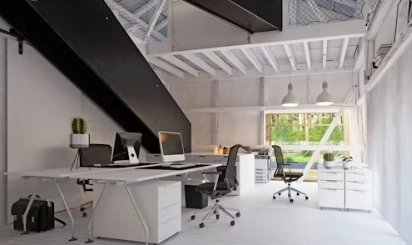
Tray ceilings hold a key place in today's office designs, and they bring in a layered look that shakes up the dullness of plain, flat ceilings. With sunken or raised parts, these ceilings add visual appeal and set up a clear order in wide-open spaces. This setup quietly directs how people move through the area, and it also marks off different sections without needing solid walls. That's a big plus in flexible work areas.
Beyond their shape, tray ceilings have built-in features like lights, air systems, and sound control. The sunken spots give room to hide mechanical parts, which keeps the look neat. The plenum is the space above the ceiling panels that conceals the HVAC air return, piping, wiring, and/or ductwork. This all-in-one method lets builders blend design and tech work smoothly.
How Do Tray Ceilings Affect Workplace Psychology?
The height and shape of ceilings shape how people feel in a room. Tray ceilings lift certain parts of the ceiling. As a result, folks sense more openness. Studies tie this feeling to less tension and better spirits. In spots needing sharp focus and clear thinking, like meeting rooms or boss offices, these shaped ceilings boost brain work. They do this by cutting down on messy sights.
On top of that, changes in how deep the ceiling goes can affect sound comfort. Metal ceiling panels with perforations can provide a moderate to high level of sound absorption. When you add sound treatments, tray ceilings manage echo times well. This ensures clear talking in team areas and peace in private spots.
What Are the Most Effective Tray Ceiling Styles for Contemporary Offices?
In contemporary office design, skillfully crafted ceiling forms not only enhance the aesthetic quality of a space but also optimize lighting, acoustics, and spatial perception.
Recessed Tray Ceilings for Minimalist Elegance
Such setups give straight, simple lines that fit with basic modern ideas. They work great in welcome areas and top-level offices. You can fit soft LED lights that spread an even glow without bright spots, and this cutback on eye tiredness helps at work desks and shared tables.
Double-Tray Ceilings for Layered Sophistication
Two-level tray ceilings add real depth to the structure. Yet they keep the room feeling wide. The stepped shapes suit boardrooms or spots where clients see them first. Lights tucked into each step let you adjust the mood during the day. So, the space shifts with the workflow.
Cove-Lit Tray Ceilings for Ambient Illumination
Cove lighting eases the edges of the ceiling, which spreads light smoothly to skip sharp shadows. In team lounges or big work areas, you can add LEDs that change color. These follow daily light patterns to boost health. Thus, people feel more at ease all day long.
Geometric Tray Designs for Creative Workspaces
Unusual tray patterns, like triangles, hexagons, or bends, bring fresh energy to art studios or tech spots. These special forms match the company's style or guide people around big offices. TUODELI® offers aluminum triangle tile ceilings that enable such creative implementations. Explore Triangle Ceiling Options. With these, you get both fun looks and solid function.
Wood-Inlay Tray Ceilings for Warmth and Texture
Mixing natural feels with sleek shapes, wood-inlay trays add cozy touches to mixed work setups. Pair them with noise-eating materials, and you create welcoming spots. These balances sound well for group chats and solo tasks alike. The result is a space that invites and calms.
Metallic-Finish Tray Ceilings for Industrial Chic Offices
For rough-style insides, metal-finished trays like brushed aluminum or steel go well with open pipes and hard floors. Metal ceiling systems do not absorb water and do not contain organic compounds that would support mold or microbial growth. Their shiny sides bounce back natural light, too, which boosts how well the space uses energy. Overall, they fit tough, busy office vibes perfectly.
Why Should Functionality Be Central to Tray Ceiling Specification?
Tray ceilings do more than look good, and they serve as key parts of the work environment. Designers must focus on how well they work. That way, the office runs more smoothly and feels better.
Acoustic Control through Ceiling Depth and Material Selection
Differences in depth let you add sound panels or blocks. Metal ceilings can help to decrease reverberation as well. In wide office plans or phone centers, this setup makes talking clear, and it also cuts noise distractions. So, workers stay on task without constant interruptions.
Enhanced Lighting Distribution Capabilities
Soft lights placed along tray edges give light without glare, which fits into plans for different light types: work lights, room glow, and highlight spots. Across the office, it improves how eyes handle the space. Workers see better and strain less as a result.
HVAC Integration within Ceiling Cavities
The sunken parts in trays allow hidden paths for air ducts. Air flow stays strong this way. You can add zone controls in those spaces, too. They let you set different temps for teams or meeting spots. No ugly changes show on the surface. Hence, comfort varies just where needed.
Which Materials Best Support Tray Ceiling Performance in Offices?
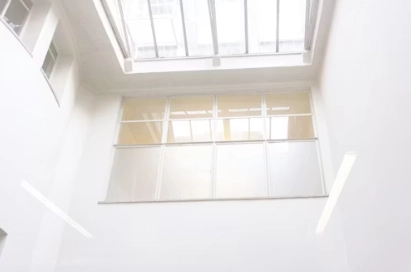
Aluminum stands out in busy office spots for good reasons. It resists fire well, lasts long, and needs little upkeep. TUODELI® metal tile ceiling systems are constructed from high-quality metals such as aluminum. Explore Metal Tile Systems. Plus, it pairs nicely with paint finishes, wood looks, and shiny coats. This opens up many style choices.
In areas sensitive to noise, like meeting halls or leader rooms, punched aluminum tiles with sound layers work wonders, and they handle echoes and soak up sounds. That's vital for spots with video and audio gear. Aluminum keeps things clear and quiet where it counts.
How Customizable Are Modern Ceiling Systems for Office Projects?
New ceiling setups come in pieces that fit odd room shapes or multi-use areas. Custom forms handle building oddities without breaking the flow. So, the design stays whole no matter the layout. You can tweak colors and shapes to match company marks. Tray ceilings then tie into logos or signs through their build. They turn into tools that work and speak for the brand, which makes the office feel personal and professional.
Who Can Deliver Tailored High-End Metal Ceiling Solutions Globally?
For more than 30 years, TUODELI has consistently delivered high-performance acoustic metal ceiling systems tailored for commercial applications. Their know-how covers tile ceilings, baffle systems, strip ceilings, and open cell designs, and they help out in office setups, health spots, and travel hubs.
TUODELI handles full tweaks. They give 3D models, art advice, and tech help from start to end. Their worldwide shipping covers FOB, CFR, CIF, EXW ways by sea, air, ground, or fast mail. Pay options like L/C, T/T, and D/P make buying easy. In short, they blend top skills with simple deals. Feel free to contact TUODELI!
FAQ
Q1: Are tray ceilings suitable for open-plan office layouts?
A1: Yes. Tray ceilings define spatial zones in open spaces without requiring physical partitions while also enhancing acoustics through depth variation.
Q2: What materials are best for tray ceilings in commercial settings?
A2: Aluminum is ideal due to its fire resistance, low maintenance needs, and compatibility with various aesthetic finishes such as powder coating and wood grain laminates.
Q3: Can TUODELI provide customized tray ceiling solutions based on architectural drawings?
A3: Absolutely; TUODELI offers full engineering support, including 3D modeling, design consultation, material selection guidance, and project-specific customization services.


