
How Metal Sound Baffles Enhance Affordable Room Soundproofing

Residential and commercial buildings deal with many acoustic problems. One common trouble is outside traffic noise. This noise comes from highways, railways, or crowded streets. It sneaks through windows and thin wall setups. Inside, HVAC systems bring steady background racket. The equipment makes a constant buzz. Air ducts carry sounds along their paths. Surfaces without good treatment bounce noise around. This causes echoes that make voices or machine sounds louder. All these elements together lower comfort levels. They also cut down on work output in homes and offices.
Why Do Traditional Soundproofing Methods Often Fall Short?
Standard soundproofing ways, like mass-loaded vinyl sheets, double-stud walls, or thick insulation, work well. However, they have clear drawbacks. Costs run high because materials are pricey. Plus, putting them in takes a lot of effort and time. Adding extra drywall or remaking wall parts disrupts daily life. It drags on for days or weeks. Besides, these approaches often hurt the look of spaces. Thick setups can shrink room heights or clash with decor choices. In homes or fancy business areas like entry halls or meeting rooms, such changes feel out of place. People usually avoid them for that reason.
How Do Metal Sound Baffles Solve These Acoustic Problems?
Metal sound baffles tackle main noise issues with smart acoustic design. These hanging straight panels use two key ways to handle sound: spreading it out and soaking it up. The holes in their surface scatter sound waves through the air. They send them in various angles to stop echoes from building up. An inner filling, often mineral wool or fiberglass, catches middle and lower sound pitches. Those are tough to control otherwise. On top of that, how the baffles are placed and angled breaks sound routes. It shortens the time echoes last. This setup shines in wide-open areas. There, controlling bounce is vital for clear talking and hearing.
What Is Inside a Metal Sound Baffle?
From a build standpoint, metal sound baffles use strong stuff like punched aluminum or galvanized steel. The outside layers let sound pass while fighting rust and flames. This matters a lot for home updates and business uses. The inside space holds top-notch sound catchers such as mineral wool or fiberglass. These boost the baffle's Noise Reduction Coefficient, or NRC. For punched types, it usually hits 0.55 to 0.70. That depends on the setup and how thick the fill is source. A flexible build lets users adjust for ceiling shapes. They can hang them or mount on walls to fit different room styles.
How Do Metal Baffles Offer High Performance Without Heavy Mass?
Unlike heavy fill methods that cover whole walls or ceilings, metal sound baffles focus on key spots. They treat just the areas that need it most, like over desks or main sitting spots. This cuts down on how much stuff you use. Yet, it still handles noise well and quiets things down. Their built-in shape boosts this smart use. Even though they weigh little, with aluminum as thin as 0.50 mm, they perform strongly in sound control. That's thanks to the material's weight and the stuff inside. So, you get good results without big changes to the space source. In short, they keep things light while working hard against noise.
Is Installation Easier Compared to Traditional Solutions?
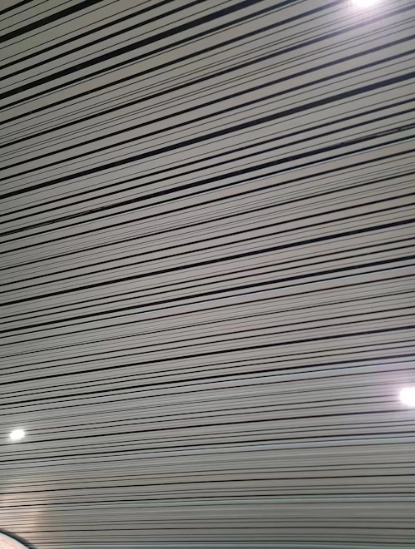
A big plus for metal baffles is their light weight paired with solid strength. Aluminum ones, for example, hang from regular ceiling rails. You don't need extra support for the building. This lowers costs to move materials. It also cuts down on work needed at the site. Lots of these systems come with snap-on or easy-fit hardware. That makes lining them up simple. It speeds up the whole job too. For places already in use, like offices, schools, or homes getting fixed up, this means less time with mess and stoppages.
Do Metal Sound Baffles Last Longer Than Other Acoustic Materials?
Metal baffles stand up to wear better than cloth-covered panels or foam options. Their faces wipe clean easily. They fight off mold too, which suits kitchens, bathrooms, or work zones with machines. Finishes such as powder coating, anodizing, or PVC covers hold back rust and color loss. Even in damp spots, they keep looking good source. Keeping them up is easy. Just dust now and then or wipe with a wet cloth. Acoustic foams break down as years pass. They soak up water too. But metal ones hold their shape and sound skills for many years. This long life saves money and hassle over time.
Where Can You Use Metal Baffles Without Breaking the Budget?
Yes, they fit well in many spots without costing a fortune. For apartments or condos, ceiling-hung metal sound baffles help with thumps from floors above. They quiet those bangs that bother people below. Putting rows of straight baffles over work spots or living rooms drops echo a lot. And they don't take up floor area. You can shape them to match current styles. Use U-forms or square bars with wood-like looks. This mixes sound help with nice design source. Overall, they blend function and appeal on a reasonable spend.
What About Classrooms or Commercial Spaces?
In learning spots or business areas, metal baffles make talking clearer. They do this without full ceiling overhauls. Hanging groups of them covers big open rooms with little eyesore. That's why they work great in team work areas, quiet reading rooms, sound recording places, or class setups. Since they don't seal the ceiling top, they let HVAC parts stay reachable. They also allow fresh air flow. This fits well with health-focused plans after recent global events. In essence, they support both sound needs and practical building uses.
How Do Metal Baffles Compare with Other Affordable Solutions?
Foam boards cost little at first. But they wear out fast from sun light and changing dampness. In business spots, they raise fire worries because they burn easily. Metal baffles, however, meet ASTM E-84 Class A fire standards source. They keep their build solid as time goes on. When it comes to catching deep sounds, like from road traffic, metal baffles with mineral wool fill beat most foam picks. They handle those bass notes better, which makes a real difference in quieting rumble.
What Should You Consider When Designing a Metal Baffle System?

The form of each panel affects how sound spreads. Straight baffles cover wide areas and even out energy. U-shapes or round bars handle up-down sound moves better. Picking flat rectangles over bent ones relies on the room's layout and the sounds you aim to tame. How far apart you space them counts too. Right gaps boost spread without leaving quiet pockets. When planning, think about these details to get the best setup for your space.
Can Metal Baffles Integrate with Lighting and HVAC?
Sure, they fit right in. Metal baffle styles match grid ceilings, open beams, or made-to-order hangs. These work around light setups and air vents without issues. Their gaps let air move freely. They don't block brightness either. This helps in plans that save energy and keep things practical.
Who Can Supply Customizable Metal Acoustic Solutions Globally?
For a reliable partner with years in building sound setups, look to TUODELI. They bring more than 30 years of know-how in making metal ceiling and wall panels. This covers markets around the world. They provide options made just for you in fields from offices to health care spots.
TUODELI handles custom asks in their wide line of punched aluminum panels. That includes straight baffle ceilings like the Aluminum Round Tube Baffle Ceiling. They also offer metal tile setups such as the Aluminum Hook on Tile Ceiling. Their factory, certified by ISO, keeps quality steady every time. Their staff helps from early sketches in CAD to final shipping. They offer shipping choices like FOB, CIF, or EXW by boat, truck, or plane. No matter if it's a small home work area or a full business building, their skills make sure sound works match your look goals. With global reach and deep experience, they stand as a top choice for lasting acoustic fixes.
FAQ
Q1: Can metal sound baffles be installed in rooms with low ceilings?
A1:Yes. Slim-profile baffle designs are available that minimize visual intrusion while still offering effective acoustic control. Proper spacing can optimize performance even in compact spaces.
Q2: How do I maintain metal sound baffles over time?
A2:Metal baffles require minimal maintenance. Regular dusting or wiping with a damp cloth is sufficient. Their corrosion-resistant coatings also make them suitable for humid environments.
Q3: Are metal sound baffles effective against low-frequency traffic noise?
A3:When combined with appropriate infill materials like mineral wool, metal baffles can significantly reduce low-frequency sounds such as road traffic or HVAC rumble. Strategic placement enhances their effectiveness further.


