
How Can Linear Wall Panels Make Hotel Lobbies Easier to Finish?
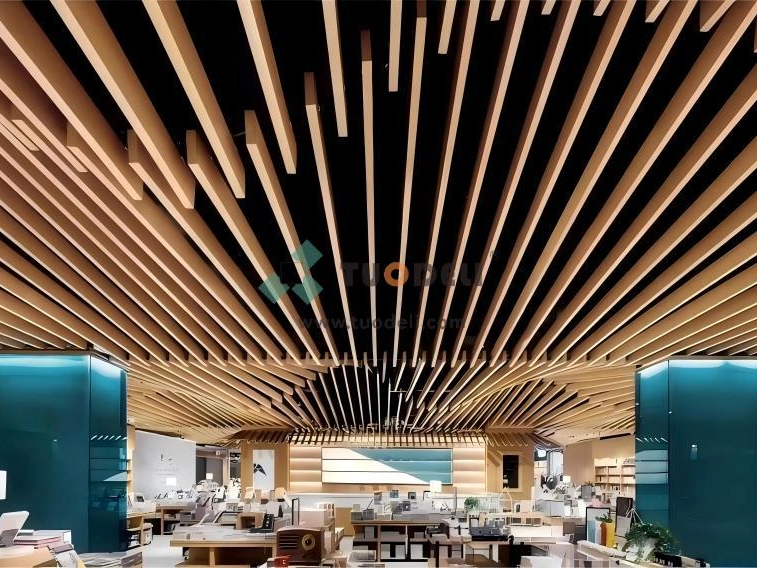
Why Do Hotel Lobbies Expose Small Finish Mistakes?
A hotel lobby is not just a waiting area. It is where guests slow down, look around, take photos, and notice whether the building feels carefully finished. That makes wall alignment more important than it may look on the drawing. A small mismatch at a corner, lift lobby, reception desk, or corridor opening can be seen every day.
Guest View And Finish Risk
These panels help because they give the wall a clear rhythm. Instead of treating the wall as one flat painted area, designers can use vertical or horizontal lines to guide the eye, hide panel joints, and connect lighting with the rest of the lobby. This is useful when different trades are working around stone, glass, ceiling systems, and furniture.
In commercial interiors, TUODELI wall and ceiling materials are often used in commercial interiors where the final finish has to look tidy under real lighting, not only in a rendering. The practical question is not whether the wall looks decorative. It is whether the wall remains easy to set out, install, inspect, and maintain.
How Can Panel Lines Control The Main Lobby View?
Linear wall panels are most useful when the design team decides what the main view should be. In a lobby, that view may be the reception wall, the lift entrance, a corridor leading to meeting rooms, or a feature wall behind seating. The panel direction should support that view, not fight it.
Main View Control
Vertical lines can make a low lobby feel taller. Horizontal lines can make a long reception wall feel calmer. Narrow spacing feels more detailed; wider spacing feels quieter. None of these choices is automatically better. The right answer depends on ceiling height, lobby width, lighting angle, and the type of foot traffic moving through the space.
Why Should Lighting Be Coordinated Before The Wall Module Is Fixed?
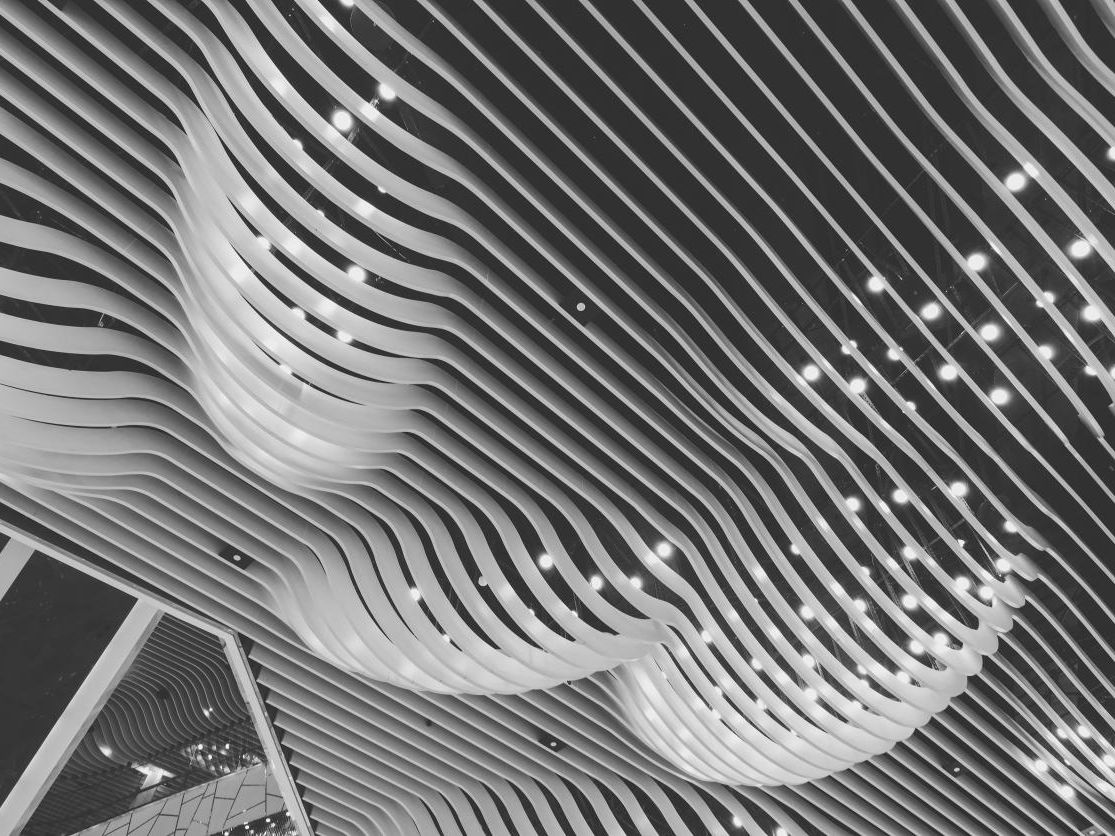
Lighting can make linear wall panels look clean or messy. Grazing light from a wall washer will reveal uneven substrates and poor joint control. Downlights near the wall can create shadows between panel lines. LED strips can look sharp, but only when the panel module and light slot are planned together.
Lighting And Module Fit
At the drawing stage, linear wall panels should therefore be discussed before the final reflected ceiling plan is frozen. The ceiling grid, wall module, and light locations need to speak to each other. If the lighting plan changes late, the wall panel layout may need to shift as well.
For procurement teams, the safest method is to request finish samples and view them under the actual lobby lighting temperature. A finish that looks warm in a sample box may read too dark next to bronze glass or stone. A silver surface may look clean in daylight but too cold under cool LED lighting.
Design item | Decision to confirm |
Panel direction | Vertical, horizontal, or mixed layout |
Light angle | Wall washer, downlight, or indirect strip |
Access point | Hidden panel, removable bay, or service hatch |
Adjacent material | Stone, glass, timber, ceiling, or reception joinery |
How Can Access Panels Stay Part Of The Design?
Hotel lobbies still need access to electrical boxes, network points, fire systems, and inspection areas. If those access panels are treated as an afterthought, they break the wall rhythm. The better approach is to make access part of the panel module from the start.
Access Bay Planning
This is where metal panels can be more forgiving than painted drywall. A removable bay can be planned around the line spacing, and a damaged panel can be replaced with less wet work. For hotels that cannot close a lobby for long maintenance windows, that detail has real operational value.
How Should Teams Choose Finishes For Cleaning, Not Only Opening Day?
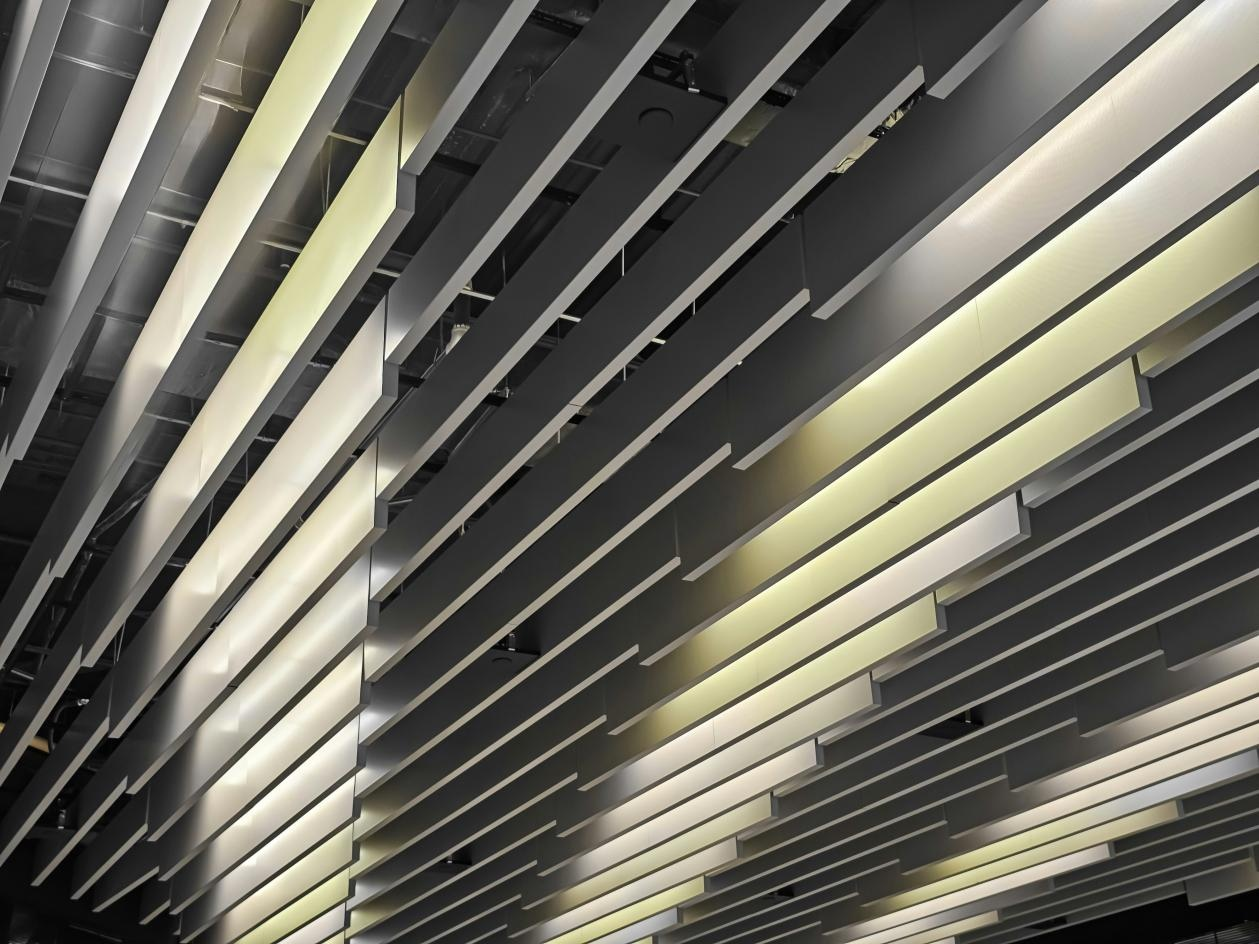
For daily use, interior cladding in a lobby is touched by luggage, cleaning carts, staff equipment, and guests leaning against walls. A high-gloss surface may look strong in a mockup but show fingerprints quickly. A brushed or matte surface may hide daily marks better, but the buyer should still confirm cleaning methods before final approval.
Cleaning And Finish Review
Before finalizing linear wall panels, our technical team is available through Contact Us to review drawings, sample requirements, and module details. This helps the profile, finish, and access layout match the way the hotel lobby will actually be used.
For final approval, the buyer should check finish samples beside the actual floor, ceiling, and furniture palette. Interior cladding that looks right alone may feel too dark beside warm stone or too bright beside brushed metal. This final sample check is a practical step, not a design formality.
Procurement teams should also confirm how replacement panels will be handled. Hotel interiors are used every day, and a lobby cannot easily be closed for long repairs. If a damaged metal panel can be removed from a defined bay, the facility team has a clearer maintenance route. If every small repair requires wet work or repainting around guests, the lobby finish becomes more difficult to manage.
The mockup should include at least one outside corner, one joint, one end cap, and one service access point if the lobby needs it. These details show whether the wall panels can be installed cleanly around real constraints. If the mockup only shows a flat middle panel, it may hide the difficult parts of the job until the site team is already under pressure.
A hotel lobby usually involves several finish trades working in the same visible area. Wall panels may meet stone bases, glass doors, ceiling edges, lighting slots, and reception joinery. A small mockup is therefore worth more than a long email chain. It lets the designer, contractor, and owner check the linear wall panels under the same light and viewing distance that guests will see later.
What Mockup Details Prevent Lobby Rework?
The installer should receive the approved module drawing together with sample references. This reduces the chance that the first installed bay becomes the real mockup. For a public lobby, that kind of late correction is expensive because the work is visible, the floor is often finished, and other trades are already moving in.
Mockup And Replacement Plan
One more point is often missed during hotel procurement: how the wall will meet later brand changes. Hotels may update signage, art, digital screens, or wayfinding before the wall panels reach the end of their service life. A clean linear module gives the owner more options because new elements can be aligned to existing joints instead of being fixed randomly on a finished wall.
For a hotel lobby RFQ, the panel package should show panel width, joint tolerance, access bay size, corner profile, finish sample, lighting temperature, substrate condition, and cleaning requirements.
In real quotation work, hotel buyers often send an old drawing, a sample request, and a first RFQ with finish notes before the supplier can judge the wall module. The useful variables are panel format, joint tolerance, substrate condition, lighting environment, access load around service bays, and any test or cleaning requirement from the operator.
Conclusion
This wall panel approach works well in hotel lobbies when it is treated as part of the building plan, not as a last decorative layer. The strongest results come from early coordination: main view, lighting, access, adjacent materials, and cleaning. When those details are settled together, the lobby wall can look calmer, install with fewer surprises, and stay easier to maintain after opening day.
FAQs
Q1: Are linear wall panels only for feature walls?
A1: No. They can be used on feature walls, lift lobbies, corridor entrances, reception zones, and other areas where a clean line and controlled joint rhythm are useful.
Q2: Can metal panels work with stone or glass in a hotel lobby?
A2: Yes. The important step is to check color, reflectivity, joint spacing, and lighting together so the materials do not fight each other under real lobby conditions.
Q3: Why should access panels be planned early?
A3: Access panels affect line spacing and visible joints. Planning them early helps maintenance points sit inside the design instead of looking like later repairs.


