
How Acoustic Ceiling Tiles Deliver Both Sound Control and Visual Appeal
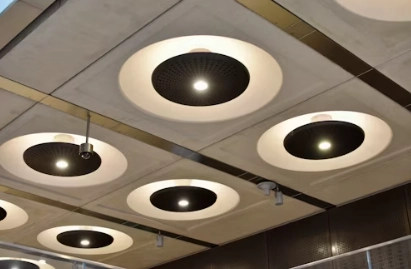
The evolution of architectural acoustics has created greater needs for materials that go beyond basic structural or visual roles—this is where acoustic ceiling tiles stand out. In places like offices, hospitals, and schools, controlling echo and background noise matters a lot. Acoustic ceiling tiles are built to improve the Noise Reduction Coefficient (NRC), which shows how effectively a surface takes in sound. NRC values from 0.70 to 0.95, found in many current perforated metal tiles, greatly boost clear speech and cut down on sound interruptions in common areas.
Metal ceiling panels featuring holes can offer a fair to strong amount of sound uptake. Usually, a perforated panel from the maker with just a simple, dark cloth on the rear will take up 70 percent of the sound hitting it.
This feature works particularly well in open offices and medical areas where keeping things private and staying focused is key. The Facility Guidelines Institute (FGI) states that lay-in ceilings using acoustic ceiling panels (ACPs) are okay in most hospital spaces, such as staff and office areas, patient rooms, and testing spaces, which highlights their part in making spaces comfortable and meeting rules.
How Do Ceiling Tiles Blend Function with Interior Design?
Acoustic ceiling tiles are not merely practical items anymore—they act as key parts of design that strengthen a brand's look and the flow of a room. Today's choices include smooth, coated, treated, or even wood-style surfaces that match simple or fancy setups. Designers use these coverings and shapes—such as hexagons or bends—to make a ceiling that draws attention instead of being overlooked.
TUODELI® metal tile ceiling systems come from strong metals like aluminum, galvanized iron, or stainless steel, and they offer great lasting power, protection from fire, and simple upkeep. Their lineup has choices with special images and different hole designs that fit lighting plans and HVAC setups, giving a smooth overall view.
What Are the Core Functional Capabilities of Acoustic Ceiling Systems?
It's important to tell apart noise uptake (gauged by NRC) from noise stopping (often checked by STC—Sound Transmission Class). Acoustic ceiling tiles mainly handle inside noise uptake via their open design. Yet, thick tile makeups add to the sound barrier between rooms or levels when used in combined or stacked setups. For uses needing both traits—like meeting rooms or medical spots—layered core tiles give a mixed fix by pairing metal outsides with noise-taking insides.
What Fire Safety Standards Do Acoustic Tiles Meet?
In public buildings, protection comes first. Acoustic ceiling tiles, particularly metal ones, often reach Class A levels under ASTM E-84 rules for fire spread and smoke growth.
A fire rating for a ceiling setup checks fire spread and smoke growth. The common testing methods for this rating appear in ASTM E-84 Standard Test Method for Surface Burning Characteristics of Building Materials. Plus, TUODELI’s metal ceiling items always hit ASTM E-84 – Class A fire rating, so they fit busy commercial and medical places where tough rules count.
How Durable and Maintainable Are Metal Acoustic Panels?
Lasting strength is yet another big plus. TUODELI® tile ceilings hold up well and stand against damage. Built from aluminum or galvanized steel, these tiles fight rust, bending, and marks—even in damp or busy spots like airports or kitchens. Their even surfaces also allow quick cleaning steps vital for medical or food areas.
In What Ways Do Acoustic Tile Designs Support Creative Interiors?
Metal acoustic tiles now appear in many types of coverings: from plain dull to shiny bright; from fake wood patterns to rock feels. These coverings bring not only style options but also aid in spreading light and cutting shine. The shiny sides of metal tiles do a fine job at bouncing light, which can make a room brighter and lessen the call for extra lights, which helps save energy while making the area seem larger—a great mix for shops, business offices, or guest spots.
Can Acoustic Tiles Work with Lighting and HVAC Systems?
Yes—current acoustic setups are made to fit well with light fixtures and air systems. Ceiling parts with exact hole patterns can spread light from behind while keeping sound in check. Tiles built for joining with air spreaders let HVAC units work without breaking the ceiling's steady look.
How Do Modular Systems Enable Flexible Layouts?

From regular square frames to loose shapes like waves or odd sides, modular tile setups back lively plans that show a brand's style or room divides. TUODELI provides modular setups in forms such as square, rectangular, hexagonal, curved, or wave-shaped panels—letting builders try bold ceilings without losing function.
Which 12 Types of Acoustic Ceiling Tiles Offer Both Functionality and Visual Appeal?
1. Perforated Aluminum Tiles
Tiny holes boost NRC scores up to 0.95 and give a sharp, basic look suited for top-end business spaces.
2. Lay-in Square Panels
These usual panels slide right into T-bar grid setups, making plenum entry simple for upkeep tasks.
3. Clip-in Metal Tiles
Firm fixing boosts resistance to meddling—a top pick for public travel centers and medical areas.
4. Linear Strip Ceilings
Long bars create aimed movement in halls or walkways while fitting hidden light setups.
5. Baffle Ceilings
Upright bars give strong sound uptake and eye-catching pattern—ideal for wide entry halls or waiting areas.
6. Open Cell Ceilings
Frame-based cells allow air flow while gently hiding gear above.
7. Custom Graphic Printed Tiles
Image-based stories pair with sound function through printed faces made for brand fits.
8. Wood-Look Aluminum Panels
True wood style without the weak points—great for wet areas like baths or pools.
9. Curved or Wave-Shaped Panels
Bending lines end dull sights while turning sound power well.
10. High NRC Composite Core Tiles
Stacked builds link looks with top noise uptake over sound ranges.
11. Anti-bacterial Coated Panels
Built on purpose for clean spots like hospitals or labs.
12. Integrated HVAC-Compatible Tiles
Made with slots or hidden gaps that let air units mix right into the ceiling level.
What Should Be Considered When Specifying Acoustic Ceiling Systems?
Every area calls for specific sound plans. For example, meeting and video rooms require ceilings with at least NRC 0.80 on half the ceiling, whereas open offices might need NRC 0.90 over the full space according to WELL building rules. Medical buildings also follow FGI guides: lay-in ceilings with ACPs weighing at least 1 lb/sq and/or using sealed grids are fine in rooms for infection control.
How Should Tiles Coordinate With Mechanical Systems?
Matching with light frames, water sprinklers, movement detectors, and air pipes needs early planning in the build stage to make sure the ceiling parts hold all pieces neatly without needing expensive changes later.
Are Sustainability Certifications Important in Selection?
Yes—panels made from reusable metals like aluminum not only lessen harm to nature but also help earn LEED points or fit WELL rules for air quality and sound well-being.
Who Can Deliver High-Performance Acoustic Ceiling Solutions You Can Trust?
If you want a team with years of skill in making advanced acoustic ceiling setups for various world markets, look at TUODELI. With more than 30 years in crafting fine aluminum ceilings—covering baffle, strip, tile, and open-cell kinds—TUODELI backs full tailoring via BIM models, image design joins, and special surface works. TUODELI is a top expert manufacturer of acoustic metal ceiling systems and a fireproof metal wall cladding panel system with fresh ideas. Their shipping options cover sea transport to fast delivery under terms like FOB/CIF/EXW—making sure projects run smoothly from beginning to end.
How Do These Ceiling Solutions Deliver Both Technical Excellence and Design Freedom?
Acoustic ceiling tiles now serve as vital pieces of building design—not only tools for handling noise but main features that form a space's character. With flexible shapes, better material knowledge, joined lighting fits, green making ways, and tailored coverings from holed metals to wood-style layers, these setups let builders hit sound accuracy without style trade-offs.
FAQ
Q1: What performance metrics should I prioritize when choosing acoustic ceiling tiles?
A1: Focus on NRC for sound absorption (aiming for 0.70–0.95 depending on space use), fire ratings like ASTM E-84 Class A for safety compliance, and material durability—especially in high-humidity environments.
Q2: Can I get custom patterns or colors to match my interior concept?
A2: Absolutely. TUODELI offers full customization, including color matching (RAL range), digital printing, anodized finishes, curved profiles, and perforation patterns tailored to your design brief.
Q3: Are these systems suitable for healthcare applications under FGI guidelines?
A3: Yes—lay-in ceilings with ACPs are permitted in most hospital spaces per FGI-2018/2022 standards; monolithic ceilings are only required for certain surgical zones like Class B/C operating rooms or isolation units.


