
Ensuring Commercial Safety: Class A Fire Ratings and Seismic Ceilings
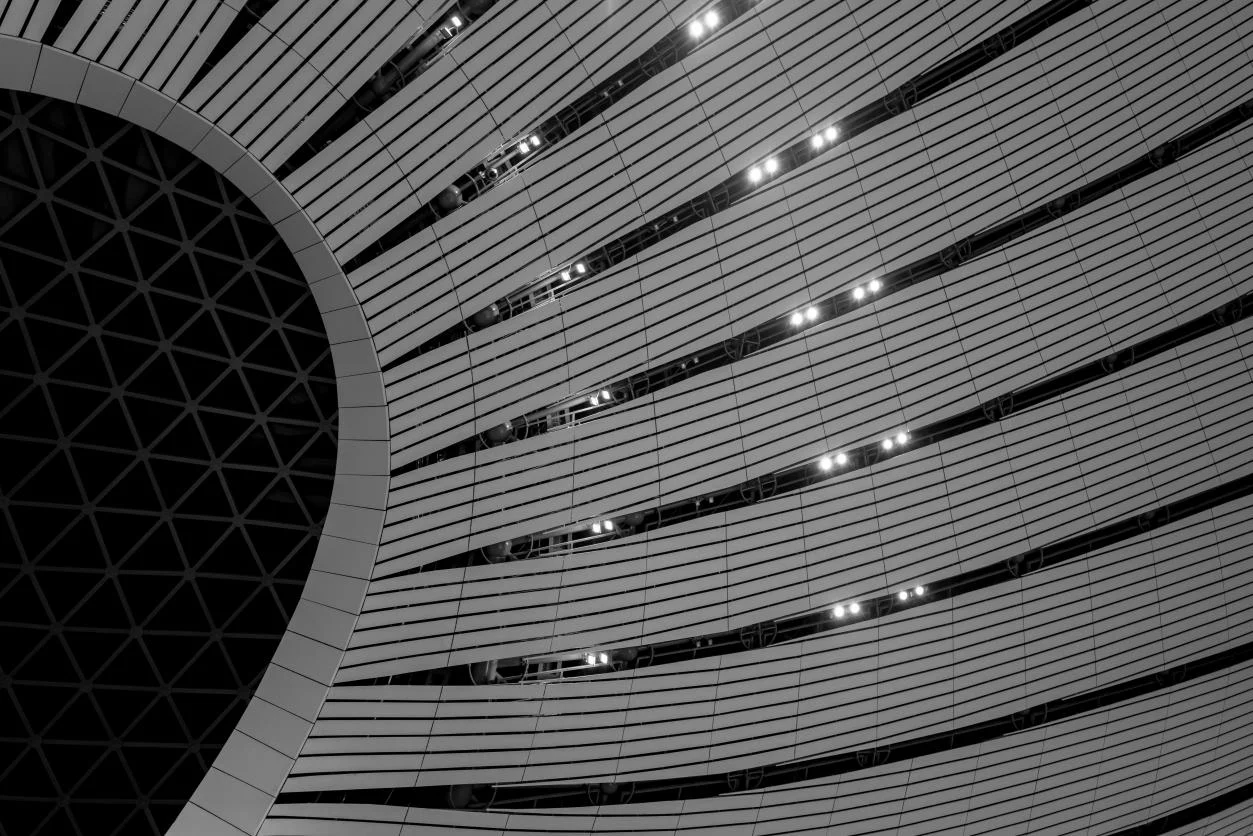
Picture yourself positioned in the center of a vast global terminal or an upscale retail center. You glance upward and notice an attractive, curving metal overhead that appears to hover with ease. It presents a contemporary and tidy appearance. However, have you considered what prevents those numerous metal sections from dropping amid ground shaking? Or how that overhead might respond if flames erupted in the entrance area? Most individuals overlook such matters. Yet, for designers and property managers, overhead safety in business environments remains the unseen essential that safeguards all occupants within.
In the realm of current building practices, an overhead serves far beyond concealing conduits and cables. It functions as an intricate technical setup crafted to withstand warmth, motion, and downward pull. Lately, worldwide incidents and tougher regulations have elevated protection to the core of planning. Be it a learning room in a school or a passage in a medical facility, the supplies employed must satisfy strict guidelines. Firms like TUODELI stand at the heart of this transition. They deliver effective options that allow you to balance appearance and security without compromise.
The Importance of Building Code Compliance in Fire Safety
When discussing protection from flames in business locations, the term "Class A" represents the top benchmark. This label holds more than casual meaning. It points to a precise evaluation under the ASTM E-84 guideline. That test examines the speed at which fire advances over a substance and the volume of haze it generates. In numerous communal areas, adherence to codes demands that any substance placed in a return air plenum—the area overhead where airflow passes—must achieve a Class A evaluation.
Grasping the way flames engage with construction supplies proves crucial for those overseeing assignments. Should flames ignite, the overhead frequently becomes the initial spot where warmth and haze collect. If the substance in that location burns easily, it serves as a pathway for flames to extend throughout the structure. Selecting appropriate parts can provide vital moments for occupants to depart securely.
Why Metal Ceiling Panels Offer Superior Fire Protection
In contrast to common fiber-based or timber sections, metal ceiling panels resist flames by nature. The majority of aluminum or steel sections hold a Class A fire rating. This occurs because they do not aid burning. Thus, during a crisis, the overhead avoids fueling the flames or releasing dense, harmful haze that obscures escape routes. In crowded zones, such features remain indispensable. If seeking particular choices that fulfill these elevated criteria, reviewing TUODELI's metal panel products offers an excellent starting point. These arrangements undergo evaluations to confirm they deliver optimal safeguarding. At the same time, they preserve their framework stability amid warmth.
Seismic Ceiling Grid Systems for Earthquake Protection
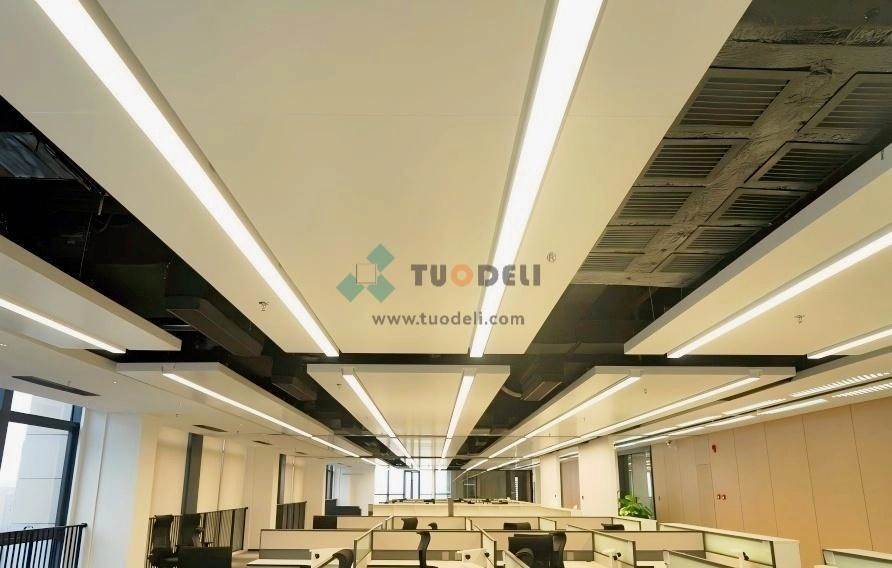
Flames pose a significant risk. However, in various regions, earth tremors present an even greater challenge. Such events do not merely jolt the barriers. They generate powerful surges of force that may cause a stiff overhead to warp and tumble. Here, a seismic ceiling grid gains critical importance. A typical grid may suit calm conditions. But in tremor-prone zones, the overhead requires the capacity to shift separately from the structure's barriers.
Technical experts classify structures into varied seismic design categories, ranging from A to F. If your endeavor belongs to Category D, E, or F, the setup guidelines alter entirely. You cannot simply secure the grid firmly to all barriers. Instead, a setup that permits motion becomes necessary. This ensures the substantial sections remain within their paths, even as the base shifts underneath.
Designing for Movement with Advanced Suspension Systems
To manage these pressures, current suspension setups incorporate particular elements like seismic clips and broader perimeter trims. For instance, in zones with intense tremors, the grid could demand a 2-inch wide wall molding. This allows the primary supports and secondary bars to glide side to side without detaching from the boundary. Such a "suspended" approach stops the grid from colliding with barriers and disintegrating. It requires a careful mix of durability and adaptability. Opting for a sturdy seismic ceiling grid guarantees the room's core structure endures. In turn, this shields those underneath from descending fragments.
Torsion Spring Panels for High-Traffic Reliability
In numerous extensive business structures, upkeep groups must access the area above the overhead nearly weekly. They inspect heating, ventilation, and air conditioning units or electrical lines. In a common "lay-in" overhead, sections frequently get nudged, marked, or dislodged in the course of this activity. This extends beyond visual concerns—it creates a protection hazard. A section not repositioned properly may drop subsequently. Moreover, a flawed section forfeits its capacity to function amid flames or tremors.
The approach gaining favor among planners involves torsion spring panels. These differ because they do not merely rest within the grid. They connect via strong springs. This method provides a degree of assurance absent in usual setups. It proves especially useful in spots like transit hubs or active passages, where air currents or shakes occur regularly.
The Benefits of Self-Attaching Torsion Systems
The beauty of torsion spring panels is that when you pull them down for maintenance, they remain attached to the grid. They hang safely while the technician works, and then they snap back into place with a perfect, tight joint. This eliminates the risk of a panel being left "loose" after a repair. Furthermore, because the springs hold the panels tightly against the suspension systems, they are much less likely to rattle or dislodge during a seismic event. This combination of easy access and rock-solid security makes them a favorite for modern hospital and airport designs.
Choosing Professional Suspension Systems for Longevity
At the end of the day, a ceiling is only as good as the skeleton holding it up. Many people spend all their time picking out the perfect color or texture for their metal ceiling panels but forget to look at the quality of the suspension systems. If the main beams are thin or the hanger wires are spaced too far apart, the entire ceiling will eventually sag or, worse, fail during a minor event.
Professional installers usually recommend 12-gauge hanger wire for commercial jobs. It’s thick enough to support the weight of lights, air diffusers, and the panels themselves without stretching over time. When you combine high-quality wire with a robust grid, you get a ceiling that stays level and safe for 25 to 50 years.
Real-World Testing and Industry Standards
Before you commit to a material, you should always ask for the test data. Does the manufacturer have reports for wind loads? Have they done independent seismic testing? Reliable companies will have this data ready to share. Safety is not a place where you want to guess. If you have questions about which system fits your specific local building codes, it is always best to contact us for a detailed consultation. We can help you navigate the complex world of fire ratings and seismic requirements to make sure your project is 100% compliant.
Conclusion
Constructing a business venue carries substantial duty. Amid handling funds and timelines, overlooking the specifics overhead becomes simple. Nevertheless, overhead safety in commercial settings ranks among the key commitments available. Selecting substances with a Class A fire rating and employing a well-crafted seismic ceiling grid goes beyond legal adherence. It safeguards human lives. From the resilience of metal ceiling panels to the innovative torsion spring panels, suitable technology creates significant impact. Avoid risking your structure's protection—opt for established setups that deliver reassurance over extended durations.
FAQs
Q: What does a Class A fire rating mean for a ceiling?
A: It is the highest safety rating, meaning the material has very low flame spread and smoke production.
Q: Do I always need a seismic ceiling grid?
A: It depends on your local building code and Seismic Design Category, usually required in earthquake-prone areas.
Q: Why are metal ceiling panels better for safety?
A: Metal is non-combustible, doesn't grow mold, and stays stronger than mineral fiber during emergencies.


