
Eco-Friendly Building: The Sustainability of Metal Ceilings
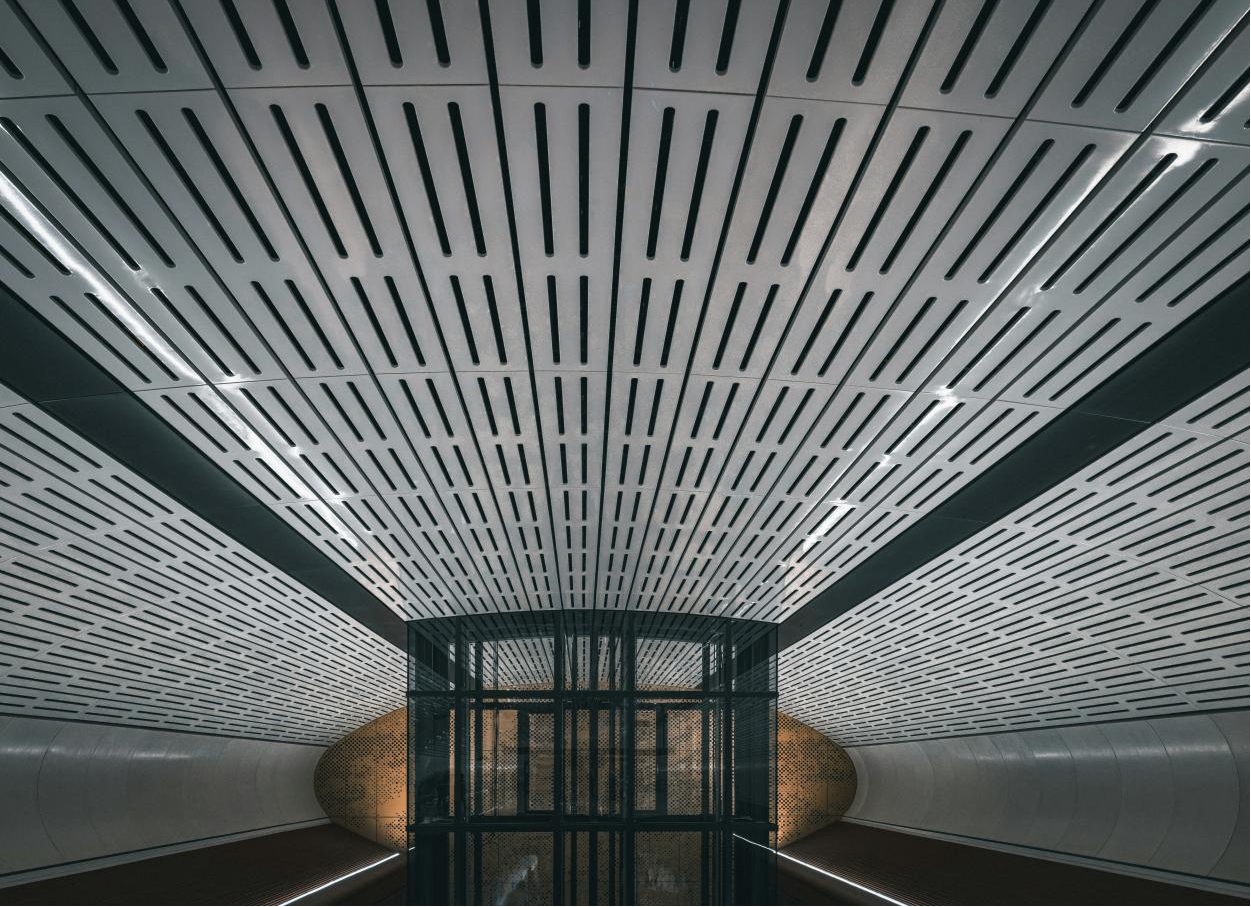 With cities worldwide dealing with extreme hot spells and tougher eco regulations, the approach to constructing interior areas shifts quickly. Property managers now seek options beyond mere low cost or attractive appearance. They prefer selections that support environmental protection while reducing upkeep expenses. Such changes have drawn keen attention to sustainable metal ceilings.
Earlier, individuals viewed aluminum or steel mainly as factory-grade supplies. However, in our time, these substances serve as key players in the eco-conscious construction trend. They aid in energy conservation, maintain fresh indoor atmospheres, and avoid disposal sites for many years. Let us explore in detail the reasons metal has become the primary option for planners focused on tomorrow's needs.
The Cycle of Reuse: Why Aluminum is a Circular Material
Selecting an appropriate substance begins by examining its origin and its destination once its role concludes. Sustainable metal ceilings stand out since they avoid a single-use existence. Rather, they align well with a loop-based system where discarded items become rare.
For creators and builders, the eco narrative surrounding aluminum holds considerable appeal. It ranks among the top reused construction elements globally. Yet, how does this concept apply to an actual site development?
High Recycled Aluminum Content in Production
A key factor making these arrangements environmentally sound stems from the recycled aluminum content incorporated during fabrication. Specialists suggest that around 75% of all aluminum produced remains active to this day. Purchasing an overhead arrangement means obtaining not only fresh material but often material reworked and renewed several times over.
This aspect matters greatly, as producing aluminum from reused pieces demands roughly 95% less power compared to starting from unprocessed rock. Such efficiency greatly lessens the global emission load. In a business venture covering 5,000 square meters, opting for an arrangement with substantial reused elements can prevent thousands of kilograms in CO2 output. TUODELI emphasizes supplying substances that satisfy these strict eco criteria, all while preserving robustness and visual charm.
Fully Recyclable Ceiling Panels at End-of-Life
The environmental tale continues even as a structure faces demolition or updates. In contrast to fiber boards or plaster sheets that typically break apart and head to waste areas, metal behaves differently. We refer to these as recyclable ceiling panels because they travel directly to processing centers.
During a standard workplace update, nearly 20% of supplies often go to waste. With metal, however, that figure falls notably. After 30 years in service, an aluminum section achieves full recyclability. Thus, the property holder might recover some "resale worth," converting a teardown expense into a minor gain. This approach offers solid economic logic for extensive site overseers.
Breathing Better: Air Quality and Indoor Health
Individuals typically pass about 90% of their hours within enclosed spaces. For this reason, the atmosphere inside workplaces or medical facilities holds greater significance for wellness than outdoor conditions. Numerous conventional construction elements release unseen substances into the area, potentially leading to discomfort or enduring wellness concerns.
Here, metal excels particularly. It forms a firm, non-absorbent substance. It requires no intense treatments to maintain firmness, and it avoids retaining dampness unlike pliable options.
The Rise of Low VOC Ceilings
If you have noticed the "fresh construction aroma," you probably inhaled Volatile Organic Compounds (VOCs). These substances gradually vaporize at typical temperatures. In wellness-oriented initiatives, low VOC ceilings represent an essential condition.
Metal sections lack an organic nature by default. They release no dangerous vapors. Moreover, the finishes applied to superior metal setups usually involve oven-cured powder layers that remain highly consistent. This feature aids initiatives in clearing atmospheric assessments with ease. Be it for educational facilities or care centers, employing supplies that avoid air contamination proves a wise decision for overall health.
Fighting Mold and Mildew Naturally
Within moist regions, overheads from timber or fibers may turn into sites for fungal development. This situation fosters "unhealthy structure effects," causing discomfort merely from the presence indoors. Sustainable metal ceilings reject water absorption. Since no natural sustenance exists on the metal face, fungi and microbes find no growth opportunity.
Consequently, care becomes far simpler. Replacement of sections due to minor upper leaks or elevated dampness proves unnecessary. For venues such as business cooking areas or research labs, this cleanliness element delivers a significant advantage. You obtain a pristine appearance that remains so without relying on strong cleaning agents.
Energy Savings Through Smart Design
Eco-friendliness extends beyond a substance's composition; it includes how the arrangement aids building operations. A thoughtfully crafted overhead can genuinely decrease your regular power costs. Through interaction with illumination and warmth, metal setups function as a practical component in the structure's operational core.
Planners considering productivity frequently emphasize glass openings and climate controls. Nevertheless, the overhead covers the biggest expanse within a space. Utilizing it properly alters the entire energy characteristics of the structure.
Integrating Energy-Efficient Lighting
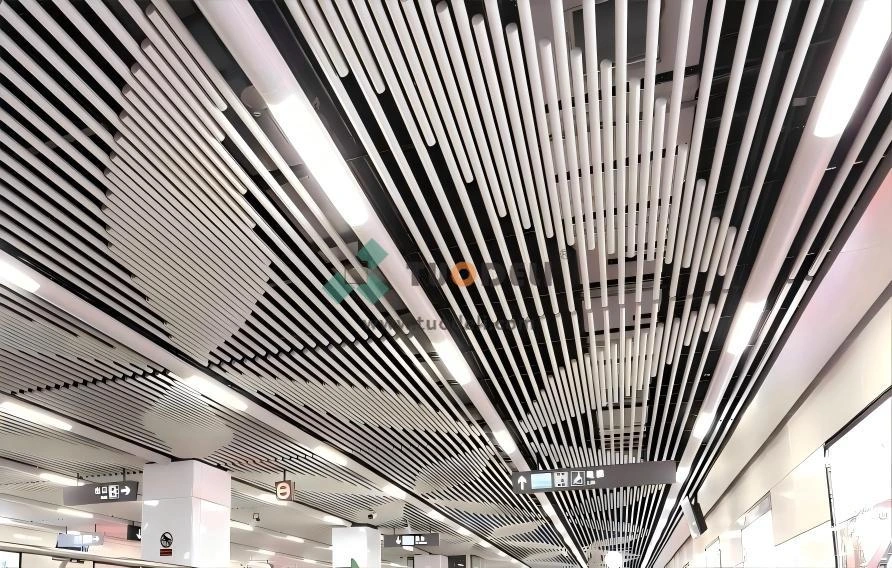
Contemporary sustainable metal ceilings frequently feature mirroring faces that distribute daylight further into the area. This diminishes reliance on synthetic sources amid daylight hours. Whenever illumination becomes required, fitting energy-efficient lighting directly into the sections occurs smoothly.
The accuracy in metal shaping enables exact placement for light bands or embedded fixtures. Such close merging avoids "illumination escapes" and renders the entire setup appear as a unified whole. Certain analyses indicate that employing strongly mirroring overheads may reduce illumination power consumption by as much as 20%. This straightforward adjustment yields returns with each power statement received.
Thermal Comfort and HVAC Efficiency
Given aluminum's strong heat transfer ability, it suits "cooled overhead" arrangements where chilled fluid lines operate behind the sections. In a basic configuration, metal avoids retaining warmth unlike dense stone. This permits the structure's cooling units to perform more smoothly.
Pairing a metal overhead with suitable barriers forms a warmth shield that holds the space at consistent levels. As a result, the climate system exerts less effort, which lessens strain on costly equipment. Across ten years, these modest reductions accumulate into a substantial drop in the structure's total power needs.
Lasting for Generations: The Economics of Durability
Among the gravest environmental errors in building practices lies creating items demanding renewal every decade. Ongoing production and transport of fresh supplies harm the surroundings deeply. Eco-friendliness frequently equates to endurance.
An overhead enduring fifty years benefits the earth more than a "organic" choice decaying in half a dozen years. In business settings, metal leads in endurance.
The Value of Long Lifespan Ceilings
Investing in long lifespan ceilings involves planning for the structure's path over the coming half-century. Metal sections exhibit remarkable resilience. They resist drooping, twisting, and fracturing as the building adjusts. In high-movement spots like transit hubs or retail centers, this sturdiness proves vital.
Typical fiber boards may require substitution following ten or fifteen years owing to soiling or harm. Conversely, an aluminum arrangement frequently retains a fresh look even post thirty years of duty. Examining the TUODELI product range, one observes setups engineered to endure prolonged periods. Acquiring premium quality once surpasses procuring inexpensive options thrice in eco terms.
Earning Points with LEED Certified Materials
Developers view sustainability through the lens of validation as well. Securing a "Gold" or "Platinum" level boosts a structure's worth and draws superior renters. Employing LEED-certified materials provides the simplest path to these credits.
Metal overheads aid in credits across multiple areas: reused elements, internal atmospheric standards, and power output. Their complete recyclability further supports credits in waste handling during construction. This straightforward method demonstrates to all that your structure adheres to peak worldwide eco guidelines. For guidance in selecting appropriate details for your initiative, reaching out to contact TUODELI for expert aid remains advisable.
Conclusion
Constructing with eco principles marks no optional feature; it stands as an essential for our era. Sustainable metal ceilings deliver an uncommon mix of elegance, wellness advantages, and considerable planetary gains. From the recycled aluminum content that conserves power in creation to the long lifespan ceilings that minimize refuse over the years, the upsides appear evident. They preserve pure indoor atmospheres, assist in trimming illumination expenses, and prepare structures for upcoming eco validations such as LEED. Selecting sustainable metal ceilings constitutes a decision beneficial for the property holder, the users, and the environment. Together, we can foster a calmer, purer, and more verdant world.
FAQs
Q: Are metal ceilings really better for the environment than wood?
A: Yes, because they are recyclable ceiling panels that last over 30 years and don't require chemical treatments.
Q: Can these ceilings help me get a LEED certification?
A: Absolutely. Using LEED-certified materials helps you earn points for recycled content and improved indoor air quality.
Q: Do metal ceilings help save on electricity?
A: Yes. By reflecting natural light and integrating with energy-efficient lighting, they can lower a building's daily power usage.


