
Drop Ceiling Design Principles to Elevate Your Basement Renovation
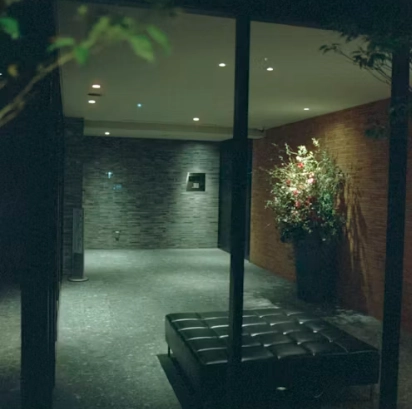
A basement renovation brings its own set of difficulties and possibilities. Changing this commonly ignored area calls for fixes that handle dampness, sound quality, entry points, and looks. A properly planned drop ceiling does more than just serve as a final detail. It acts as a key part of the setup. This helps turn a basic basement into a smart, usable spot. This guide looks at the main ideas, options for materials, and planning methods for picking the right drop ceiling setup.
Why Choose a Drop Ceiling for Your Basement Renovation?
Before getting into details, you need to grasp the basic reasons why a drop ceiling works so well in basement settings. Its perks go well past just hiding things. It provides a structured way to deal with typical basement issues.
How Does a Drop Ceiling Enhance Functionality and Design in Basements?
A drop ceiling, sometimes called a suspended ceiling, gives a wide-ranging fix in basement makeovers. It brings both practical use and stylish appeal. The main plus is how it hides ugly building parts like air ducts, pipes, and cables. At the same time, it keeps easy entry for upkeep later on. On top of that, drop ceilings work as an important barrier for sound management. This matters a lot in closed areas where echoes can become a real problem. Metal ceiling systems meet rigorous performance requirements for acoustics, wind loads, humidity, fire, earthquakes, and sustainability, as well as provide mechanical systems' accessibility and low-maintenance reliability.
You can blend lighting setups more smoothly with drop ceilings, too. Built-in lights and LED boards fit nicely into the ceiling frame. This setup boosts energy savings and improves the brightness. What's more, the extra layer of depth from drop ceilings brings a touch of current style.
What Should You Evaluate Before Installing a Drop Ceiling in a Basement?
A good setup starts with a full check before putting it in. Skipping vital on-site factors can weaken how well even the top ceiling works and how long it lasts.
What Are the Critical Site Considerations That Affect Drop Ceiling Planning?
You must check location-based limits before going ahead with the setup. This step ensures everything fits right. For instance, ceiling height plays a big role. You generally need at least 3–4 inches of open space between the current ceiling or beams and the drop ceiling frame. This gap makes room for placing tiles. It also allows entry to services like pipes and wires. Moisture control comes next in importance. Basements often deal with extra damp air. So, spot any water sources and set up good airflow to stop mold from forming. Finally, think about structural strength. The frame that holds the grid has to attach firmly to beams or solid slabs. All these basic reviews focus on more than just whether it's possible.
Which Materials Are Best Suited for Drop Ceilings in Humid Basement Environments?
Choosing materials stands out as perhaps the key choice in a basement drop ceiling job. The picked option has to stand up to weather strains. At the same time, it needs to meet what it promises in terms of how it works.
How Do Different Drop Ceiling Materials Perform Under Moisture and Acoustic Stress?
Picking the correct material matters greatly for basement uses. Here's a side-by-side view of options. Mineral Fiber Panels cost less and absorb simple noise, soaking up. However, they easily get hurt by water as time goes on. PVC Panels weigh little and resist water well. They clean up simply but fall short in taking in sounds. Aluminum Panels last a long time. They don't rust, fight fire, and do great in damp spots. Metal ceiling panels are manufactured from durable steel and aluminum. Metal offers superior performance attributes and does not have the humidity and acclimatization requirements of wood.” Each type handles dampness and noise in its own way, so matching it to your needs helps avoid problems down the line.
Why Are Metal Ceilings Especially Recommended for Basement Renovations?
Metal ceiling setups look good and work strongly. They don't droop or twist from shifts in dampness or heat. Plus, they follow strict rules for fire safety. Their fresh coatings—from shiny to wood-like—give room for style choices without losing how well they perform. Take metal tile ceiling systems as an example. They reach sound ratings up to NRC 0.95 with hole options. You can adjust sizes up to 600x1800mm. Such traits make them perfect for tough spots like basements. Overall, metal options bring reliability and a modern edge that suits renovation goals nicely.
How Can Drop Ceiling Design Be Optimized for Performance and Visual Harmony?
Once you select a fitting material, the following stage centers on careful planning for the look. A smartly tuned plan mixes tech strengths with style goals in a smooth way.
What Grid Layout Strategies Ensure Efficiency and Aesthetic Symmetry?
The way you set up the grid goes beyond basic lining up. It shapes how the whole area feels and operates. Based on what you want for the project, pick from visible, hidden, or partly hidden grid types. Smart arranging cuts down on unused materials. It also makes sure everything lines up with the light fittings. Choose panel sizes to match the room's scale and entry requirements. This proves especially useful near heating spots or power outlets. By varying these elements, you create a balanced flow that boosts both use and appeal throughout the space.
How Should Acoustics Be Addressed in Drop Ceiling Design?
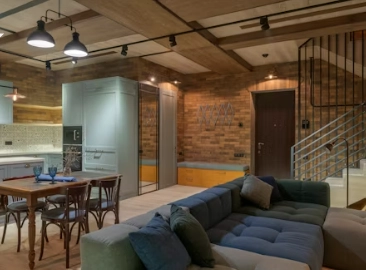
Basement areas frequently face bouncing sounds and noise passing through. To fight this issue, try adding holes in aluminum panels. Back them with sound-dampening fillers to improve noise pickup. You might also look at baffled ceilings or open cell styles for handling echoes in bigger zones. TUODELI® metal baffle ceiling systems consist of suspended linear metal panels. Their open structure enhances acoustic performance by reducing noise levels while providing a sleek, contemporary look. These approaches not only quiet things down but also add a fresh visual layer to the room.
What Are the Best Lighting Integration Techniques with Drop Ceilings?
Blending lights works without hitches when you plan it early in the grid setup. For recessed Fixtures, check that there's enough room between frame lines for can lights or long panels. LED Panels with thin builds can slot right into tile spots. They give an even glow without needing an extra height drop. Smart lighting does more than aid daily tasks. It also helps save power by making the most of how light bounces around. In practice, this means brighter, more welcoming basements that feel put together from top to bottom.
How Can Drop Ceilings Be Customized for Unique Basement Applications?
When ready-made answers don't quite fit, personal touches let you adjust the ceiling to match the exact size, look, and practical demands of your special basement area.
What Makes Tailored Metal Ceiling Systems a Smarter Investment?
When standard items don't match your aims, making changes becomes essential. TUODELI helps with complete personalization via 3D modeling tools. These let you picture setups made just for your project before building starts. You decide on sizes, surface treatments like anodized or powder-coated finishes, wood-like textures, hole designs, and even special images. To check out custom fixes such as clip-in tile parts or baffle setups tuned to your arrangement, visit TUODELI’s product showcase.
How Do Layered Ceiling Types Add Depth and Function?
Combining ceiling styles does more than improve looks. It also boosts how the space works on different levels. Baffle + Strip Ceilings use upright baffles mixed with straight strip parts. This setup makes steady visual rhythms, and it helps with sounds, too. Open Cell + Tile Modules let air move freely through open cells. Meanwhile, tile parts keep entry easy and cover services well. Such mixes make basement spots seem wider, more lit up, and neatly arranged.
What Are the Best Practices for Installing Drop Ceilings in Basements?
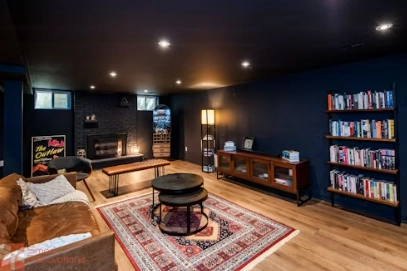
A great plan needs exact carrying out. Sticking to proven methods during the setup makes sure the system does what it's meant to for many years ahead.
How Should Substructure Be Prepared for Grid Suspension?
In basements, where floors above might not be even, keeping the grid steady matters a lot. The main support beams ought to fasten tightly to ceiling beams or stone walls. Pick screws or bolts that resist rust based on the base material. This preparation sets a solid base. It prevents sagging or shifts that could harm the whole setup over time.
What Steps Ensure Effective Moisture Management During Installation?
In places with lots of damp air or where rules demand it, take these actions. Put up steam blocks over the ceiling level. Choose parts that stand against rust, particularly in areas near the sea or underground. In healthcare facilities, humidity-resistance can be critical. Ceiling panels that absorb water may lead to the growth of unwanted mold. Following these keeps the area dry and healthy long-term.
How Should Mechanical Systems Be Coordinated During Ceiling Installation?
Plan your arrangement, thinking about repairs in the future. Leave open spots for service near heating joints, wire paths, or water lines. Pick tile parts that fit items like water sprinklers or alarm sensors. They should work without blocking how things look or run. This forward-thinking approach saves hassle later and maintains a clean, functional finish.
Why Is TUODELI a Go-To Partner for Metal Ceiling Solutions?
TUODELI has over three decades of know-how in making high-performance metal ceiling setups around the world, which makes them a reliable source for regular and made-to-order jobs. TUODELI is a highly professional manufacturer of acoustic metal ceiling systems and fireproof metal wall cladding panel systems with unique creation. Their lineup covers tile ceilings for modular drop uses, baffle ceilings that better sound and add texture to views, strip ceilings for clean straight-line styles, and open cell ceilings that encourage air flow while marking out areas. Their help goes further than just items. It includes 3D modeling, custom surface options, easy trade terms like FOB/CIF/EXW, and delivery by ocean, ground, sky, or quick mail worldwide. For designers and constructors wanting a tough yet classy ceiling boost, contact TUODELI.
FAQ
Q1: What is the recommended clearance height required when installing a drop ceiling in a basement?
A1: A minimum clearance of 3–4 inches is generally required between the existing ceiling (or joists) and the drop ceiling grid system.
Q2: How does aluminum compare to other drop ceiling materials in terms of durability?
A2: Aluminum is highly durable, resistant to corrosion, fire-safe, and maintains structural integrity over time. It outperforms mineral fiber or PVC tiles, especially in humid basement conditions.
Q3: Can TUODELI provide custom-sized aluminum ceiling panels for irregular basement layouts?
A3: Yes. TUODELI offers full customization services, including non-standard sizes, shapes, perforation patterns, colors, and modeling support tailored specifically to unique project layouts.


