
Designing with Curved & Cloud Metal Ceilings in Commercial
Have you visited a newly renovated coffee shop or a modern tech office recently? You probably noticed the raw, industrial roof showing off all the pipes, wires, and shiny air ducts. It looks incredible, but it brings a massive hidden problem along with it. Sound simply bounces off every single hard surface.
Just 50 people talking in a room with bare concrete floors and exposed steel roofs can push the noise level past 80 decibels. It sounds exactly like a busy highway right inside your office. Over the past few years, smart designers found a simple fix that completely changes how a big room sounds and feels. Instead of hiding the entire roof behind boring white tiles, they use a floating ceiling design. This clever method leaves parts of the ceiling exposed while hanging beautiful, functional structures right where people sit or work. Many business owners realized that employees and customers hate noisy, visually boring environments. It is a brilliant way to control sound, add character to a massive room, and avoid building expensive interior walls just to block out the noise.
Saying Goodbye to the Basic White Grid
For over forty years, the standard flat drop roof ruled almost every corporate building, hospital, and shopping mall in the country. They did the basic job of hiding wires, but they looked incredibly dull and trapped hot air. Today, business owners want spaces that feel alive and welcoming. Moving away from standard flat panels opens up totally new design doors.
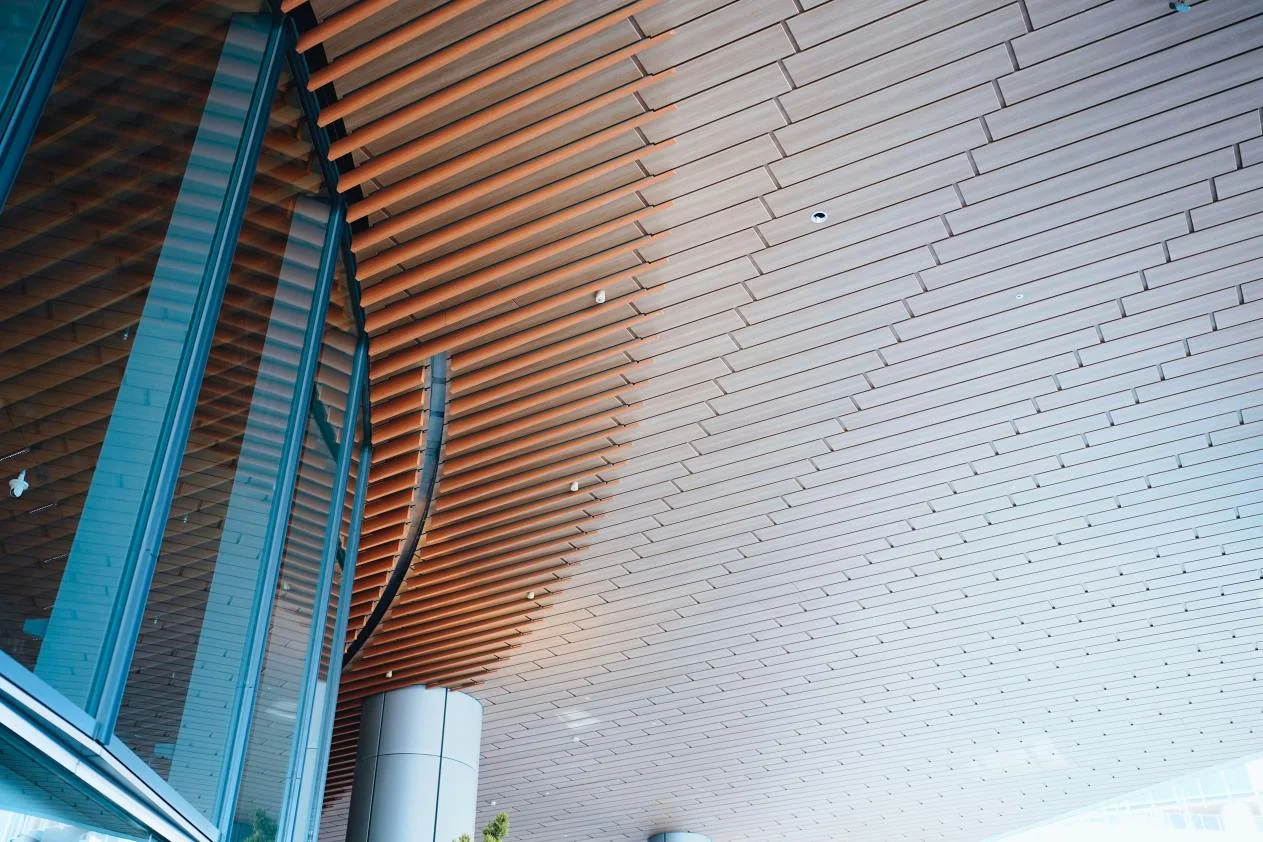
l Adding Visual Movement: Installing a curved metal ceiling instantly softens a hard, square room. It breaks up the harsh 90-degree corners and gives the eye something interesting to follow along the hallway.
l Playing with Light: Curved panels bounce natural sunlight around the room much better than flat tiles. You can even hide LED strip lights behind these commercial ceiling accents to create a soft, glowing effect at night without blinding anyone.
l Targeted Placements: Instead of wasting money covering 10,000 square feet of overhead space, designers use ceiling clouds over specific areas. They hang them right over the main conference table or the hotel reception desk to make those spots pop out naturally.
l Color and Texture: Metal does not have to look like cold, gray steel anymore. These pieces come in hundreds of colors and can even be painted to look exactly like real wood. You get the warm, cozy look of a log cabin with the strict fire safety of strong aluminum.
Taming the Noise Problem in Big Rooms
It is super easy to think that putting fancy metal shapes above our heads is just for decoration and taking good photos. But in large public places, looks must always meet real-world needs. When hundreds of people talk at once in a cafeteria, the echo drives everyone crazy. The right overhead pieces step in to save the day.
Absorbing High-Traffic Echoes
Open-plan offices usually hit noise levels around 65 decibels, making it incredibly hard for workers to focus on phone calls or writing reports. By hanging acoustic islands right above the main workspaces, you trap that sound before it travels across the entire floor. These pieces catch the high-pitch chatter and the low hum of the massive air conditioning units. Instead of sound waves bouncing off the hard roof and raining back down on the workers, the islands absorb the noise. Employees get a much quieter place to think. Some field tests show that adding these specific panels can drop the overall room noise by up to 30 percent, which makes a massive difference in daily comfort.
Creating Tiny Quiet Zones
In busy restaurants, airport lounges, or library study areas, you want people to feel comfortable having a normal conversation. Hanging a few suspended pods right above the seating areas creates little pockets of quiet. The people sitting under them can actually hear each other talk without shouting over the background music or kitchen noise. You get a much better vibe for both the workers and the paying customers. When a space feels comfortable, people tend to stay longer. If you want to see how these different metal structures actually look when they are put together in real rooms, checking out the metal panel options at TUODELI's product page can give you plenty of fresh ideas for your next building project.
Directing Foot Traffic Without Signs
Fixing the terrible echo is just part of the overall plan. You also have a huge empty canvas right above your head to play with. Smart architects now use these hanging elements to tell people where to walk and where to stop, without putting up a single plastic sign on the floor.
Building Natural Walkways
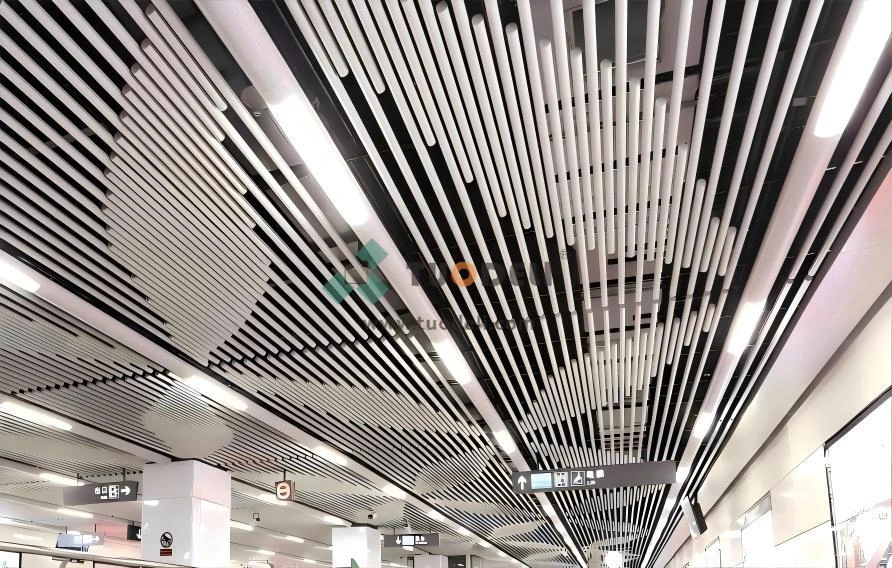
Think about the last time you walked through a massive airport terminal. How did you know which way the baggage claim was without constantly checking the wall signs? Often, a long curved metal ceiling above the main hallway naturally pulls the crowd in the right direction. Humans naturally follow lines and shapes. When you place a long, sweeping metal structure above a main path, people instinctively walk along that path. It keeps big crowds moving smoothly without them even realizing they are being gently guided to their gates.
Highlighting the Important Spots
Big open layouts are fantastic, but you still need to show visitors where the important stuff is located. A bright, lowered floating ceiling design right above a coffee bar or a help desk acts like a giant magnet. You do not need to build physical barriers or use completely different flooring to separate the waiting area from the main lobby. The changes happening above your head do all the heavy lifting. The eye looks up, sees the change in the ceiling, and the brain registers that this specific spot is important. You see this trick used constantly in high-end grocery stores to make specific products stand out.
The Hardware That Keeps It Safe
Looking at heavy metal panels floating beautifully in the air usually makes people wonder how they actually stay up there. You cannot take any chances when hanging heavy things above a busy hotel lobby. The true magic that makes everything look so effortless comes down to the hidden hardware holding it together.
l Strong Foundations: Modern curved suspension systems rely on thick steel cables and rigid metal frames. They bolt straight into the main concrete or steel beams of the building, meaning they can hold hundreds of pounds safely and survive minor earthquakes.
l Dodging Obstacles: Because these pieces float below the main roof deck, installation workers do not have to fight around every single fire sprinkler, water pipe, or air vent. They just hang the metal pieces slightly below the messy stuff.
l Airflow and Vents: Standard roofs trap hot air. Hanging shapes leave plenty of open space around the edges. This helps the building's air conditioning system push cold air down to the floor naturally.
l Easy Fixes: Maintenance teams absolutely love this setup. If a plumber needs to fix a leaky pipe, they just grab a tall ladder. They reach over the metal pieces or unclip one panel. They never have to tear down a whole massive section of a standard roof just to find one small leak.
Conclusion
Making a room look good and sound comfortable takes a lot of careful planning. What you decide to put above people's heads changes the whole feeling of the room. Whether you want to cut down loud echoes in a massive call center with suspended pods or make a giant hotel lobby feel cozy with acoustic islands, the right metal structures get the job done. They bring shape, color, and much-needed quiet to empty overhead areas. Every single building has its own quirks, so standard materials rarely fit right. If you are ready to fix your commercial interior, get in touch with the pros. You can always contact TUODELI to find the exact match for your next big project.
FAQs
Q: Are curved suspension systems difficult to maintain over time?
A: No, they allow quick access to pipes hidden above, making regular building maintenance incredibly simple and fast.
Q: Do ceiling clouds actually help with room noise?
A: Yes, placing acoustic islands right over desks catches bouncing sound waves, dropping background office noise noticeably.
Q: Where is the best place to hang commercial ceiling accents?
A: Put suspended pods or a floating ceiling design directly above reception desks to naturally draw visitor attention.


