
Design Tips: Aluminum Square Tube Baffle Ceiling Spacing
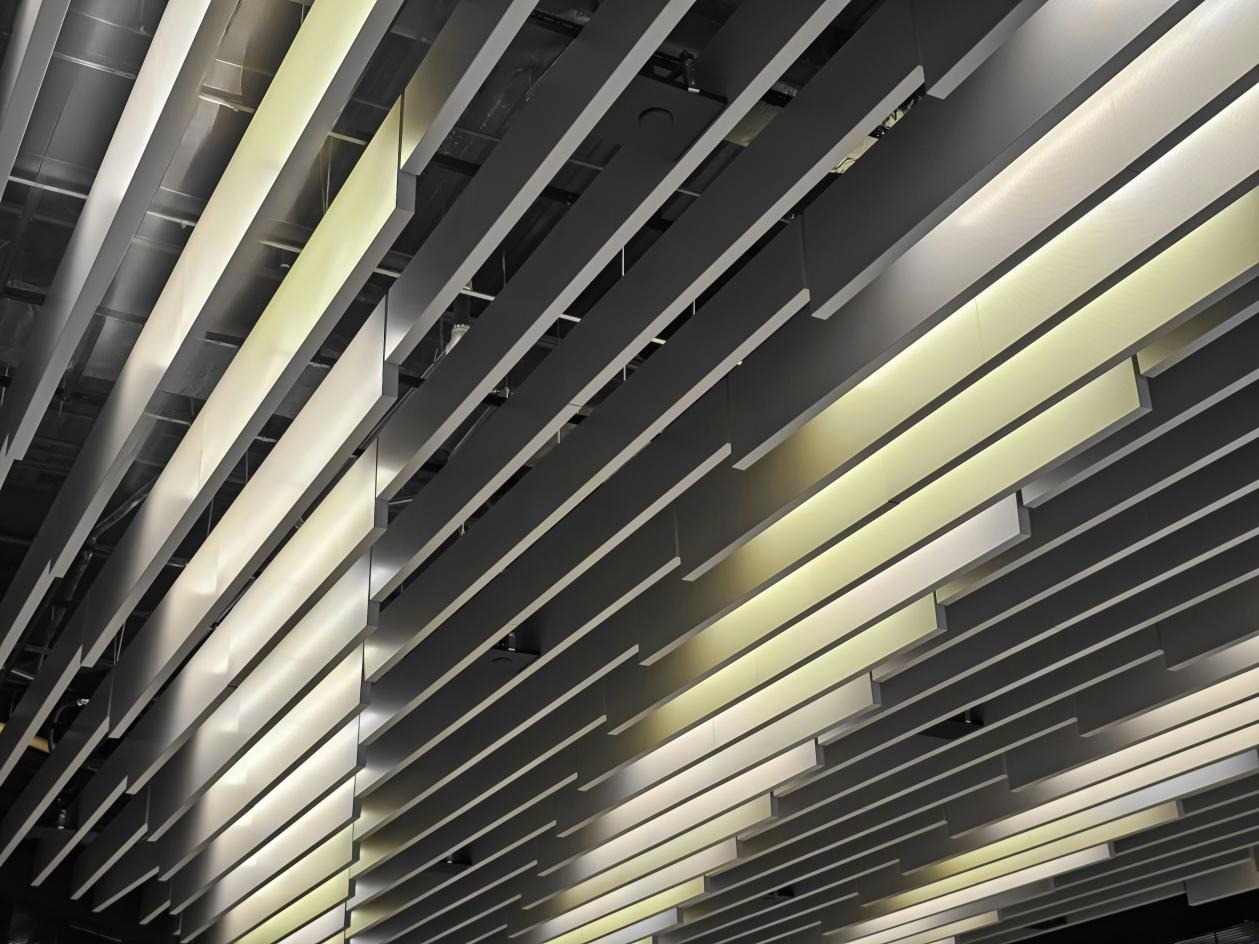
How much space should exist between your ceiling elements? The basic guideline for baffle ceiling spacing is simple: the distance among the metal sections ought to match or exceed just a bit the thickness of the metal. For example, if your section measures 4 inches thick, aim for a 4-inch to 6-inch separation. If you plan a contemporary business area and aim to cover the cluttered conduits overhead without restricting the space's cooling system, a square tube baffle ceiling proves the top option. It forms a strong, neat appearance while ensuring the concealed mechanical zone stays fully reachable.
Building owners often struggle with standard drop ceilings. Traditional soft tiles trap heat, look extremely cheap, and get ruined by minor water leaks. By switching your design strategy to an open plenum ceiling, you allow the building to breathe naturally. Heavy air conditioning units can run efficiently, and smoke extraction systems can perform perfectly during emergencies. Brands like TUODELI offer engineered systems that click into a hidden carrier quickly, solving both your aesthetic headaches and your airflow problems in a single installation.
Hiding the Mess Without Blocking Airflow
The way people look at a room changes everything in commercial design. When visitors walk through a busy shopping mall or an airport terminal, they rarely look straight up at the roof. They naturally look ahead at an angle, which is the exact secret to making this specific ceiling layout work perfectly.
The 45-Degree Viewing Angle Rule
A solid drywall ceiling traps hot air and limits your access to electrical wires. However, leaving the roof totally bare exposes ugly plumbing ducts and bright security cables. An aluminum baffle ceiling acts as a brilliant visual screen. When a person looks up from a normal 45-degree walking angle, the overlapping lines make the roof look like a solid, continuous surface. The physical depth of the metal completely blocks the view of the messy hardware hanging above.
Yet, if a maintenance worker stands directly underneath and looks straight up, the space is actually wide open. This means your expensive HVAC systems can push massive volumes of air freely without fighting against a solid barrier. Your daily operations remain smooth, and the public only sees a highly polished architectural finish.
Realizing that your space needs high-volume airflow but still requires a finished, premium look is the first step toward a smarter building strategy. Moving away from solid tiles to a slatted, vertical design fixes this common building issue without heavy structural changes.
Calculating the Perfect Gap Between Panels
Figuring out the exact distance between each metal piece is the most critical decision for your entire project. If you place the panels too close together, you will spend thousands of dollars on extra materials. If you put them too far apart, the visual illusion simply breaks down and fails.
The Equal or Greater Depth Formula
The most common mistake installation contractors make is just guessing the tube ceiling spacing. You must use the physical depth of the metal to determine your gap. If you choose a 6-inch deep profile, your gap should be 6 inches or perhaps 8 inches. You never want a 10-inch gap combined with a shallow 2-inch tube, because the people below will easily see all the dirty pipes and internet cables you are desperately trying to hide.
Proper spacing creates a steady visual rhythm in the room. It gives a long hotel hallway a clear sense of direction and makes massive open terminals feel much more intimate and organized. You can play with the width and height of the tubes to cast different shadows throughout the day as natural light moves across the room.
When your design team struggles to find the right balance between strict material budgets and full visual coverage, it usually means your spacing formula is wrong. Looking at specialized aluminum square tube baffle systems with flexible, pre-punched carriers can give you the exact visual coverage your specific room requires.
Acoustic and Lighting Integration in Open Designs
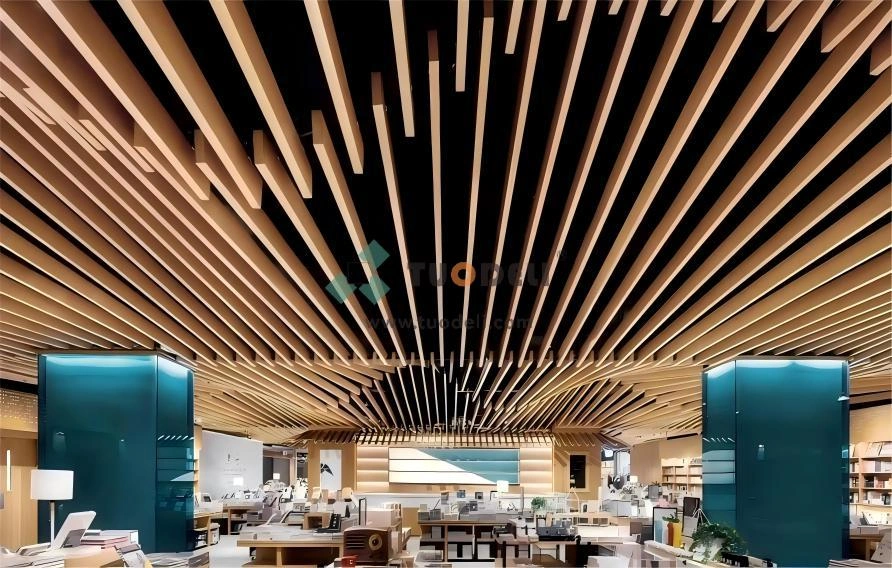
A beautiful roof structure is absolutely useless if the room is too dark or echoes like a giant cave. Integrating practical building functions into a metal structure requires precise planning. The empty gaps between the panels serve as the perfect housing for both heavy lights and soft sound-absorbing materials.
Fitting Lights Between the Lines
Lighting a massive room can be very difficult. With a linear baffle ceiling, you do not have to cut messy holes into your beautiful new panels. You simply leave a designated gap and mount a linear LED light fixture directly between two metal runs. The light sits totally flush with the bottom of the aluminum, creating a seamless, glowing line that stretches across the room. This makes the space look highly futuristic and keeps the ugly lighting power cables completely hidden above the metal screen.
Managing Noise With Metal Surfaces
People naturally assume a metal baffle ceiling will make a room echo loudly and create a noisy environment. That is true for flat metal sheets, but not for engineered acoustic products. We can manufacture these square tubes with thousands of tiny holes punched into the sides. Inside the hollow tube, we place a piece of dark acoustic fleece or rock wool.
When loud voices bounce around a busy train station, the sound passes through the tiny holes and gets trapped in the hidden fleece. The sound waves cannot bounce back into the crowd. You get the tough, highly durable look of industrial metal combined with the quiet, peaceful performance of a soft acoustic board.
The Financial Advantage Over Wood and Drywall
Many architects love the warm look of thick wooden beams, but real wood causes major headaches in commercial buildings. Wood absorbs water, warps over time, rots, and catches fire very easily. Aluminum painted with a custom wood grain transfer gives you the exact same warm, natural look without the massive maintenance bills.
Here is why metal completely beats traditional ceiling materials:
l Zero moisture damage: Aluminum simply does not absorb humidity. It will never grow mold, mildew, or sag under its own weight, even in damp coastal cities.
l Strict fire safety: Commercial spaces demand tough fire ratings. Aluminum is naturally non-combustible and regularly meets Class A fire safety standards, keeping the public safe.
l Instant access: If a plumber needs to fix a leaking pipe, they simply push up and unclip a single tube, fix the pipe, and snap the panel back into place in seconds. Solid drywall requires cutting, patching, sanding, and repainting, which costs a fortune in labor.
Designing a large commercial space requires balancing tight financial budgets, strict building codes, and high visual expectations. Standard drywall ceilings are far too restrictive for massive air conditioning needs, and real wood beams are simply too heavy and dangerous for large public buildings. Traditional materials trap heat, block access to pipes, and degrade rapidly under heavy daily use. A square tube baffle ceiling offers a much smarter and permanent path forward. It gives you an incredible modern aesthetic while providing total, instant access to the hidden utility systems above. By calculating the right spacing, you hide the ugly wires effectively and save money on excess materials. Stop settling for outdated building methods that cost your company more in long-term maintenance. Contact TUODELI to discuss exactly how a custom aluminum system can upgrade your next major project.
Conclusion
Forming a thriving business inside involves selecting elements that perform diligently out of view while appearing simple to observers. Past approaches like weighty plasterboard or absorbent mineral panels disappoint since they obstruct ventilation, take in dampness, and shatter readily amid standard fixes. By advancing to an accessible aluminum arrangement, you address your ventilation and appearance difficulties at once. Suitable section intervals cover your structure's disordered framework while permitting cooling setups to operate without issues. Metal sections withstand fire, repel mold, and deliver years of effortless appeal. When you prepare to halt repairing worn coverings and desire an enduring, superior design conclusion, committing to a tailored baffle arrangement stands as the most dependable selection for your asset.
FAQs
Q: What is the best tube ceiling spacing to use?
A: The gap should generally be equal to or slightly larger than the physical depth of the metal panel.
Q: Can an open plenum ceiling reduce room noise?
A: Yes. If the baffles feature side perforations and a hidden acoustic fleece, they absorb echoes very effectively.
Q: Is an aluminum baffle ceiling hard to maintain?
A: No. Aluminum does not rust or absorb water, making it incredibly durable and easy to wipe clean daily.


