
Ceilings and Reverberation Control in Modern Theater Design
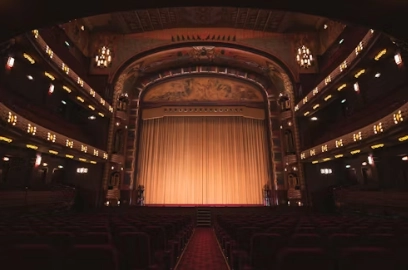
In today's theaters, ceiling designs go well beyond mere visual appeal. They serve as key components that shape how sound moves and gets heard by everyone in the audience. The shape, size, and materials of the ceiling guide the way sound bounces, spreads, or gets soaked up in the performance area. Ceilings affect patterns of sound reflection and diffusion. Thus, their form and build decide if sound arrives evenly to listeners or leaves some acoustic shadows. Hanging ceiling setups prove especially useful because they manage reverberation time. This remains a vital element in achieving a good mix of clear speech and lively music. Moreover, smart shaping of the ceiling helps deliver steady sound to every seat area.
What Acoustic Issues Do Theaters Commonly Encounter?
Creating top-notch acoustics in theaters requires tackling common problems such as echoes, flutter echoes, and drawn-out reverberation. Expansive inner spaces frequently lead to longer reverberation times. Consequently, this causes unclear speech and fuzzy musical tones. Flat, parallel walls can generate standing waves or flutter echoes. These issues warp sound sharpness and lower the overall quality of performances. Picking the right materials proves just as tricky.
How Can Ceiling Design Effectively Manage Reverberation?
To cut down on too much reverberation, acoustic ceiling setups use materials that take in sound energy instead of bouncing it back. Perforated aluminum panels with acoustic backing work well as fixes, and they turn sound energy into warmth and greatly lower echo levels. Support materials like mineral wool or fiberglass boost this action by raising the Noise Reduction Coefficient (NRC). For subtler uses, micro-perforated panels keep a smooth look while delivering strong sound control.
What Strategies Help Preserve Liveliness Without Sacrificing Clarity?
Spreading sound evenly matters a lot in versatile theaters that host both talks and live music. Curved or slanted ceiling parts scatter sound waves to prevent sharp bounces and keep the room's lively feel. Open cell ceiling systems build a wide-ranging diffusion area, and this softens echoes without making the space feel dull. In the same way, baffled ceilings can be set up thoughtfully to interrupt straight-up reflections.
Which Types of Acoustic Ceilings Are Used in Theater Design?
Baffle ceilings, made of panels hanging straight down, work particularly well in big open areas like theaters. TUODELI® metal baffle ceiling systems include hanging linear metal panels, and these come in different sizes, finishes, and setups, giving plenty of design options. Their arrangement shortens echo routes along up-and-down lines without blocking things like HVAC or lights. These setups allow good air movement and provide lots of flexibility in design. Explore the technical details of the Aluminum U-shape Baffle Ceiling, including NRC ratings up to 0.70 with perforation options that enhance both form and function.
What Makes Strip Ceilings Ideal for Perimeter Acoustic Management?
Strip ceilings bring a straight-line style while giving a measured bounce-back of sound. Often placed in hallways or around theater edges, these setups pair nicely with sound-absorbing layers to lift NRC values, and they keep the design flowing smoothly. Plus, they offer a refined way to blend useful sound control into linking areas without overpowering the overall visual story.
Can Open Cell Ceilings Balance Sound Diffusion and Infrastructure Access?
Open cell ceilings create a grid pattern that promotes air flow and even sound spreading in many directions. An open cell ceiling system uses main beams and cross beams arranged up and down, as well as side to side. This forms a steady building rhythm. Meanwhile, it hides overhead mechanical parts from plain sight, and their light build also supports wide spans and straightforward upkeep.
What Materials Support Both Performance and Longevity?
Aluminum offers solid strength along with flexible sound-handling traits, which make it perfect for show spaces. Its natural resistance to rust fits well for inside and outside uses, and it holds up over time, even with changing moisture levels. Aluminum works with hole-making methods key to sound tailoring, and it also matches many finish types, from shiny metal coatings to wood-like covers. This ensures it adapts visually without risking fire protection.
How Do Fire Safety Standards and Maintenance Needs Influence Material Selection?
Places open to the public, such as theaters, must focus on safety first. That's why Class A fire-rated options like aluminum stand out. Aluminum ceilings meet global fire rules, for example, ASTM E84. On top of that, their even metal faces fight off dirt buildup and make cleaning simple, and this proves crucial for areas needing regular care.
How Can Acoustic Ceilings Be Customized for Theater Requirements?
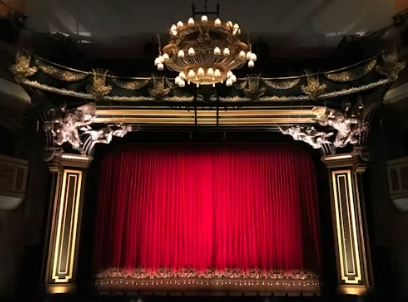
Each theater brings its own layout challenges that call for specially made ceiling answers. Tailoring involves tweaking panel sizes to match building shapes, picking colors to fit style ideas, or blending sound parts smoothly with light setups and air vents. For full customization capabilities, TUODELI offers industry-leading expertise backed by over 30 years of experience in manufacturing bespoke aluminum ceiling systems. With support ranging from 3D modeling to global logistics coordination via sea, land, air, or express freight, they ensure high-precision execution no matter your project’s location or complexity.
How Should Ceiling Systems Integrate with Other Theater Infrastructure?
Theater ceilings need to handle modern AV tools like speaker lines, projectors, performance lights, and water sprinklers. Grid-based ceiling modules make reaching equipment easy for fixes, and they also keep open views vital for light beams and viewer engagement. Planning for these fits guarantees that gear spots don't harm sound quality. In fact, this coordination keeps everything running smoothly together.
How Do Installers Address Irregular Geometries in Modern Theaters?
Uneven roof shapes require flexible hanging methods that cope with different heights and tilts. These methods maintain straight lines and sound effectiveness without issues. Ready-made ceiling parts cut down work time on site and improve setup accuracy.
Summary of Key Takeaways
The sound quality in a current theater depends heavily on its ceiling setup. From handling reverberation via smart materials to working in tune with light networks and air channels, ceiling planning acts as the core of a deep listening experience. Selecting the proper mix of baffle ceilings for up-down control, strip ceilings for neat lines, or open cell styles for a roomy feel directly shapes how clearly an audience catches and enjoys a show. Furthermore, adding strong aluminum not only follows fire rules but also delivers enduring worth through toughness and low upkeep needs. Overall, these elements combine to create spaces where sound truly comes alive for all.
FAQ
Q1: Which ceiling type is most effective for controlling echo in large theater halls?
A1: Baffle ceilings are especially effective due to their vertical suspension, which disrupts echo paths while allowing unobstructed airflow and lighting integration.
Q2: Can metal ceilings support both design aesthetics and high acoustic performance?
A2: Yes. Metal ceilings—particularly perforated aluminum systems—offer excellent NRC values while providing a wide variety of finishes, including wood-look or anodized coatings to match design requirements.
Q3: What customization services does TUODELI provide for theater projects?
A3: TUODELI offers tailored solutions, including panel dimensioning, finish customization, integration with AV/light systems, as well as complete engineering support from 3D design to international logistics coordination.


