
Can You Put Crown Molding on Vaulted Ceilings? Solutions & Tips
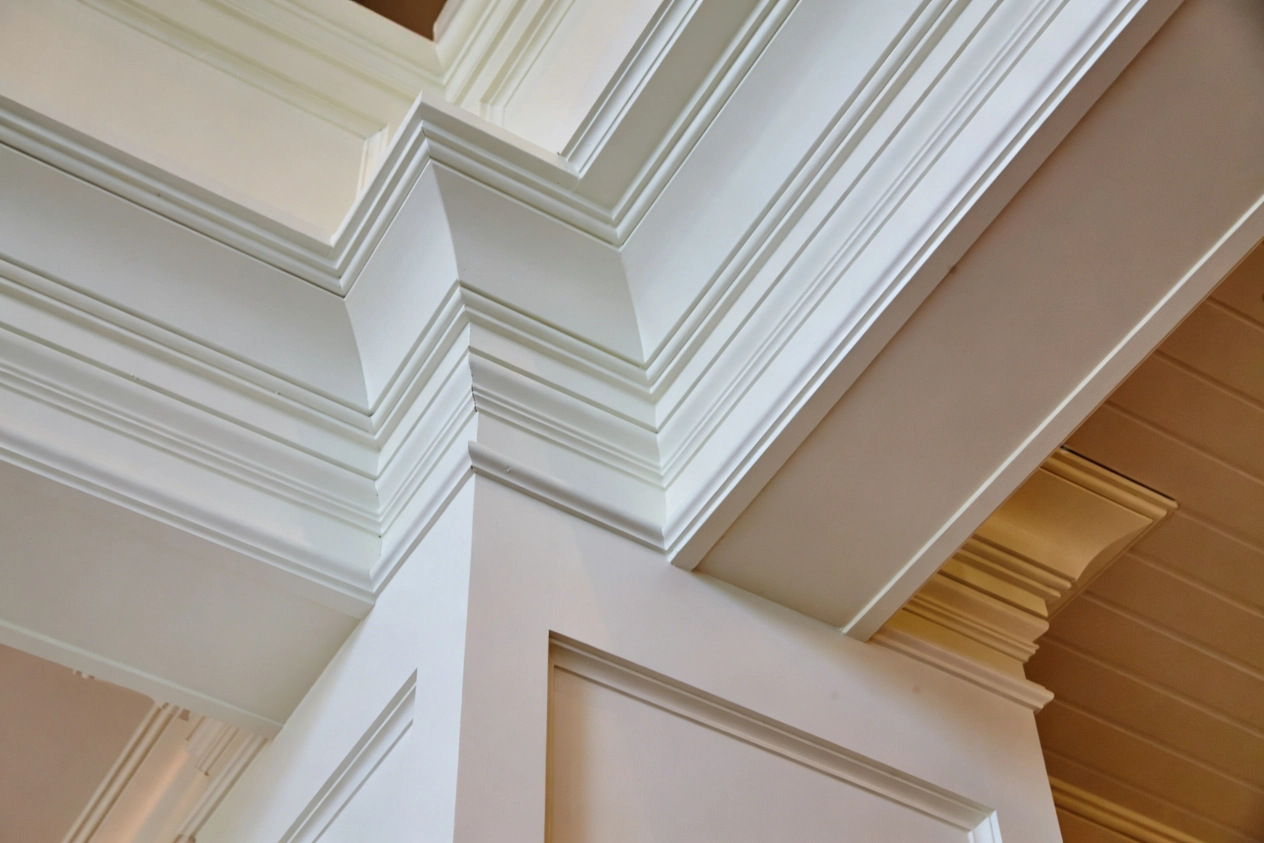 Step into a newly updated office entrance, upscale eatery, or updated residence in 2026, and you will spot a key style shift right away. Folks desire open areas. Even, short upper surfaces make spaces seem tight. Therefore, designers promote tall, curving overhead lines to let users feel more freedom. The sight of a lofty area proves powerful. Yet, constructors recognize a tough issue with these broad zones: the upper edges pose a real challenge to complete well.
Where a direct upright surface joins a sharp, angled upper part, you cannot just attach a basic wood section in the edge and finish. The directions resist. As a result, many owners and builders raise a frequent query. Is it possible to apply vaulted ceiling molding to span that tough space? The brief reply is affirmative. You can do it. However, achieving a polished result demands smart calculations, ample care, and picking suitable supplies for the task.
The Challenge of High Angles and Slopes
When you look at a standard room with flat 8-foot ceilings, standard borders fit perfectly. But when you throw a steep pitch into the mix, everything changes. The geometry becomes tricky, and standard flat-backed pieces no longer sit flush against the drywall without making some serious and difficult modifications.
Why Traditional Wood Fails Here
Standard wood strips are manufactured to sit at a rigid 45-degree or 38-degree angle against a perfectly flat surface. If your ceiling slopes upward at 15 or 30 degrees, that standard piece of wood will leave a massive, ugly gap at the top edge. To fix this, a carpenter has to rip down the back of the wood using a table saw, shaving off exact fractions of an inch along a 10-foot or 12-foot board. This wastes a huge amount of time on the job site. Furthermore, as a new building settles over the first few years, that rigid, modified wood often splits or cracks right at the seams.
Calculating the Perfect Pitch
To make any border fit, you first have to measure the exact slope of the room. If a roof has a 4/12 pitch, that means it rises 4 inches vertically for every 12 inches it runs horizontally. You then have to translate that specific angle to your miter saw. Most contractors spend hours just cutting test pieces out of scrap wood to find the exact blade tilt. It is a slow, frustrating process of trial and error that eats up a lot of expensive labor hours before the real installation even begins.
Smart Alternatives for Cathedral and Vaulted Spaces
Instead of fighting with complex wood cuts that might crack or separate as the building settles, many builders are turning to more flexible and modern materials. These newer options not only speed up the installation process significantly but also offer a much cleaner, contemporary finish for large open rooms.
Using Flexible Angled Ceiling Molding
One popular way to solve the tricky geometry problem is by using angled ceiling molding made from flexible polyurethane or composite materials. Unlike stiff oak or pine, these pieces can bend slightly to accommodate minor bumps or bad tape joints in the drywall. They are incredibly lightweight. This is a massive benefit because you do not need three people standing on 15-foot scaffolds just to hold one heavy piece in place while someone else drives a nail into it. You can handle long stretches with a smaller crew.
The Rise of Metal Ceiling Trim
For commercial spaces, hospitals, or modern corporate offices, designers are completely moving away from wood products. A sleek metal ceiling trim offers a much sharper, industrial look. It handles indoor temperature changes perfectly and simply refuses to crack. If you want a clean border that pairs perfectly with modern lighting fixtures, exposed air ducts, and large glass walls, metal is the best route. It gives the room a crisp boundary without drawing too much attention away from the impressive height of the room.
Step-by-Step Advice for Sloped Designs
Installing any kind of cathedral ceiling trim requires patience and a solid game plan. You cannot just guess the angles and hope for the best outcome. If you decide to tackle a sloped ceiling trim installation, follow these exact steps to save time and reduce material waste:
l Buy extra material: Always order about 15% to 20% more material than your tape measure says you need. You will make bad cuts. Everyone does. Having extra pieces on hand saves you a frustrating trip back to the building supplier.
l Make a template: Take two small 6-inch scrap pieces of your border material and cut them until they fit the top corner perfectly. Keep these pieces in your pocket and use them as your visual guide when setting up your miter saw for the long, final cuts.
l Use the right adhesive: If you are working with lightweight composites or metals, apply a high-quality construction adhesive on the back to hold it firmly against the wall. Add just a few finishing nails to hold the piece still while the glue fully dries.
l Leave room for movement: Leave a tiny 2mm gap at the long seams where two pieces meet. Buildings shift and move with the seasons. If you pack the pieces too tightly together, they will buckle and warp when summer humidity hits the room.
Bridging the Gap Between Modern Materials
Finding the right piece to cover the joint between a pitched roofline and a vertical wall takes some serious planning. You need materials that handle movement and look incredibly sharp from the ground. Let us look at how different edge profiles manage this structural gap effectively and beautifully.

Choosing a Ceiling Transition Trim
Combining varied build supplies, such as a hanging metal frame lowering to join a coated wallboard area, demands a perfect shift. A solid ceiling transition trim conceals the rough wallboard slices. It builds a firm, neat limit. In big retail centers or active airfield halls, these shift parts appear throughout. They guard the fine wall sides from damage and offer a tidy, concealed route for LED light lines to send a gentle shine upward into the height.
The Strength of Aluminum Edge Trim
If you are working on a high-end commercial project or a massive public building, an aluminum edge trim is your absolute best friend. It weighs next to nothing, cuts easily with a standard carbide blade, and will never rust, even if the building is located in a high-humidity coastal city.
At TUODELI, we know exactly how important these finishing details are to the success of a project. Our manufacturing teams create decorative metal solutions that fit perfectly into these complex, high-angle spaces. If you are struggling to find the right border for a large-scale commercial project, our team has the background to help you get it right. We offer a huge variety of paneling and framing that takes the headache out of high, sloping roofs. Look through our solutions to see how our materials fit seamlessly into modern architectural designs. If you require specific angles or custom color matching for your next large project, please contact us. We are happy to solve these kinds of structural problems.
Conclusion
Finishing a high, angled roofline does not have to be a frustrating experience. While traditional wood pieces require difficult cuts and exact math to fit a slope, the building industry now offers far better ways to bridge that gap. By selecting flexible composites or sleek metallic borders, you can create a beautiful, lasting finish that handles building movement without cracking. Whether you are updating a small home living room or framing out a massive commercial lobby, the right border pulls the entire design together. Take your time, measure your angles carefully, and choose materials that match the function of your room. With the right approach, those tall spaces will look absolutely stunning and professional.
FAQs
Q: Can you install vaulted ceiling molding alone?
A: No. The heights and long materials require at least two people for a safe, straight installation.
Q: What is the best angled ceiling molding material?
A: Aluminum or polyurethane are best. They are light, easy to cut, and handle temperature changes without cracking.
Q: Do I need special tools for cathedral ceiling trim?
A: Yes, a compound miter saw is required to accurately cut the complex angles needed for sloping roofs.


