
Benefits of Composite Materials in Aluminium False Ceiling Systems
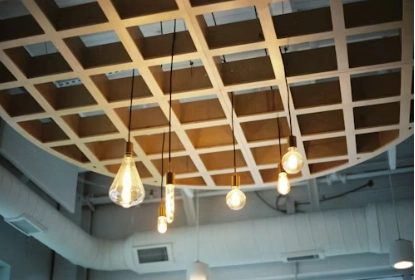
Composite materials get created by mixing two or more different parts to create a product with better mechanical, visual, or practical features. When it comes to aluminium false ceiling systems, common types include aluminium-plastic composite panels (ACP), aluminium honeycomb cores, and mineral fiber-reinforced composites. These options make use of the unique benefits from each part, like aluminium’s strength and the core’s light weight, which leads to panels boasting great strength-to-weight ratios.
TUODELI provides various high-quality composite panels for ceiling uses, such as metal tile ceiling systems made from aluminium, galvanized iron, and stainless steel. Not only do these systems last a long time, but they also resist fire well and handle sound effectively.
The mixed build of composite materials works particularly well for false ceilings since it combines solid structure with room for design choices and easy setup. For example, aluminium honeycomb panels deliver strong resistance to pressure while staying light, so they fit large ceiling areas without putting too much strain on the hanging frame.
How Do Composite Panels Integrate with Aluminium Grid Frameworks?
Composite ceiling panels usually join aluminium grid systems through mechanical clips or glue attachments. Their fit with common T-bar or hidden hanging grids makes setup simple for different project sizes. TUODELI metal clip-in and hook-on tile systems back modular setup methods that match global rules for sound control and fire protection.
Such smooth joining keeps the overall structure strong while cutting down the total weight of the ceiling setup. Plus, it lets designers add features like visible edges or hidden seams without losing quality. The even spread of weight through honeycomb cores or strengthened centers also lowers pressure spots on hanging points.
Why Are Composite-Based Ceilings Structurally Superior?
Aluminium honeycomb cores, found in certain composite ceilings, give an impressive mix of firmness and small size. Their six-sided shape spreads weight evenly over the panel area, which cuts down on bending in specific spots. This matters a lot in places dealing with heat changes, shakes, or physical hits.
Standing up to bending from heat growth or physical pressure boosts how long they last. That quality fits composite panels nicely for spots like medical centers, travel spots, and factory areas where changing weight happens often.
Can Composite Ceilings Improve Acoustic and Thermal Comfort?
Composite panels can get designed to hit tough sound performance goals. Mineral fiber composites bring sound-catching skills right for business spaces inside. These help lower echo time and make talking clearer in open offices and medical areas.
TUODELI’s perforated metal ceilings can reach NRC ratings from 0.55–0.95 with backing from sound fabric or glass wool, so they suit spots needing good sound handling. On top of that, aluminium-plastic composites frequently have warming cores that cut heat loss paths, which boosts air system work and general user ease.
Are Composite Ceilings More Resilient in Harsh Environments?
A main plus of composite aluminium ceilings comes from their built-in fight against surroundings damage. TUODELI metal ceilings give Class A fire ratings under ASTM E-84 standards and have surface treatments that stand up to rust even near seas or in factory zones.
Covered composite faces hold off dampness and stop mold from growing in wet spots. This turns them into good picks for restrooms, cooking areas, workrooms, and meal prep zones where clean conditions and air freshness top the list.
How Do Composite Panels Support Design Creativity?
Varied looks stand as another cause builders like composite ceiling stuff. These panels come in wood-like grains, soft finishes, shiny metal feels, and even rock-look covers. TUODELI gives face changes with powder coating, anodized treatments, and PVC covers in many styles like round tube baffle ceilings.
Light build lets for tricky shapes such as rounded tops, hanging shapes, or flowing bends without hurting steady structure. Digital printing adds more chances by letting the addition of brand marks or custom sight patterns right on the panel face.
Is There a Cost Benefit to Using Composite Aluminium Ceilings?
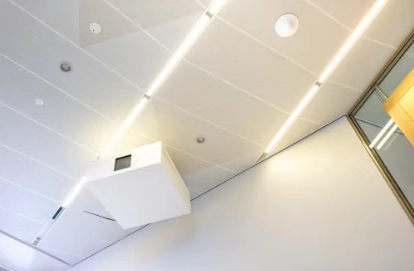
Composite ceilings bring money savings in both setup and running stages. Their smaller weight makes moving and carrying easier, which helps a lot in tall buildings. Ready-made parts cut down work time on site and mistakes.
Further, standing against twisting, color fade, and germ spread lowers how often fixes happen. These traits make TUODELI items good for business buildings wanting strong value from long use and small care needs.
How Do Composite Ceiling Materials Contribute to Sustainability?
Aluminium-based composites can get recycled without losing worth. This backs loop building ways focused on cutting trash. Also, TUODELI ceilings get made to bounce light well, up to 90% bounce back, which lowers need for fake lights.
Their match with LEED or BREEAM rules gets better by small chemical gas output and warming block that helps cut air system needs.
What Must Designers Consider When Choosing Composite Panels?
Choosing materials needs to think about expected weight based on panel thickness, from 0.5mm to 1.5mm or more, and cover lengths. Build math should cover hanging frame gaps and entry panel spots. Panels have to fit air vents, fire sprays, light setups without hurting strength.
Removable setups let for fix access while keeping ceiling looks, which stays key in medical spots or tech workrooms where space reach matters a lot.
Who Can You Trust for Custom Aluminium Ceiling Solutions?
If you look for a provider that brings top-level aluminium ceiling fixes with change options in looks, sound levels, sizes, and part designs, check out TUODELI. With a broad set including clip-in tiles, baffle ceilings, open cell builds, and custom bent types, TUODELI helps bold building with solid tech support.
Their focus on quality shows through strict follow of ASTM E-84 fire ratings and world sound rules. Whether you need straight grace or strong shape shows, TUODELI drives your build idea from start to end.
FAQ
Q1: What are the most commonly used composite materials in aluminium false ceilings?
A1: Typical materials include aluminium-plastic composites (ACP), mineral fiber-reinforced panels for acoustics, and aluminium honeycomb cores for structural stability.
Q2: Are composite aluminium ceilings suitable for high-moisture environments?
A2: Yes. Many composite ceilings have coated surfaces that resist moisture absorption and mold growth, making them ideal for kitchens, bathrooms, and food processing areas.
Q3: Can TUODELI provide customized finishes for architectural branding?
A3: Absolutely. TUODELI offers powder coating, wood grain laminates, anodizing, and even digital printing options to match unique design requirements.


