
Analyzing Metal Pan Ceiling Styles for Refined Room Aesthetics
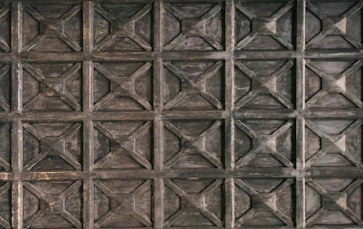
Metal pan ceilings represent architectural setups made from carefully crafted metal panels. These panels usually consist of aluminum or steel. They hang in a grid or clip-in setup. Such ceilings come in modules. This allows simple arrangement and upkeep. People often pick them for their neat outlines, even patterns, and polished surfaces. The outcome delivers a tidy, up-to-date look that fits well with modern business spaces.
TUODELI® metal tile ceiling systems build from top-grade metals like aluminum, galvanized iron, or stainless steel. They offer strong lasting power, protection against fire, and simple care. These panels boost visual style. They also aid in sound management, fire safety rules, and adaptable designs in many places. These range from medical centers to busy transport spots.
What Material and Finish Choices Can Shape Ceiling Performance and Aesthetics?
Choosing the right material matters a lot when picking metal pan ceilings. Aluminum stands out as a common pick. It weighs little and fights rust well. So, it works great in damp spots such as kitchens and bathrooms. Steel brings more solid build strength. Builders often go for it in tough or factory-like uses.
Options for finishes play a big role in looks and how well they work. They cover powder coating for long wear, brushed or shiny mirror surfaces for class, woodgrain covers for a cozy feel, and anodized covers for better guard against weather. TUODELI provides choices from powder coating to anodized layers and even wood or stone style coatings. This lets full tailoring to match different design schemes.
How Do Linear Strip Pan Ceilings Create Visual Continuity?
Linear strip ceilings use long, slim panels set in straight lines side by side. They build a sense of direction and motion over the ceiling area. This setup suits stretching out how spaces feel in hallways or big rooms. At the same time, it keeps a simple style.
These setups shine in fresh interior designs like airports, workplaces, and shops. Their shape allows smooth blending with light setups and air system outlets. TUODELI® metal baffle ceiling systems include hanging linear metal panels. They come in different sizes, surface treatments, and setups. This makes them perfect for jobs that focus on open layouts with current light ideas.
Why Are Lay-in Metal Pan Ceilings Preferred for Function-Driven Spaces?
Lay-in metal pan ceilings sit on an open T-grid frame. This makes them very easy to reach. Workers can lift panels out quickly. That gives access to the area above for fixing mechanical parts. It fits best in places full of utility needs. FGI-2018 and FGI-2022 generally support using ACP lay-in ceilings in most medical building areas. They allow these in spots like office spaces for admin tasks, lab rooms, patient areas, and storage for gear. Plus, when added with sound-absorbing backs, lay-in panels help a lot with cutting noise and making speech clear. For tough yet reachable options in buildings that perform well, the Metal Lay in Tile Ceiling gives solid sound barrier and exact build quality. It ensures reliability in demanding settings where access and durability go hand in hand, supporting smooth operations over time.
What Makes Clip-in Metal Pan Ceilings Ideal for Luxurious Interiors?
Clip-in metal pan ceilings use a hidden grid system. This creates a flat, smooth ceiling surface. Panels snap into hanging systems tucked away behind the tiles. As a result, no breaks show in the view. This neat style boosts simple building designs. It gains favor in upscale spots such as top-level meeting rooms, art displays, or fancy hotels. Even with the hidden frame, many clip-in types let panels come off easily. This keeps access to the system without harming the clean look. The Aluminum Hook on Tile Ceiling shows this idea well. It offers surface changes from anodized to woodgrain styles. These bring both class and solid function, allowing designers to blend elegance with practical needs in premium environments.
How Do Open Cell Metal Ceilings Offer Dimension Without Obstruction?

Open cell ceilings add a layered grid look that marks the ceiling area. Yet, they keep sight lines open to the setup above. This style works well in places wanting a factory-like charm. There, pipes and supports stay visible on purpose. The mesh structure helps air move around and light pass through. It also softens the harsh view of overhead machines. TUODELI® metal baffle ceiling systems support good air flow, light blending, and straightforward upkeep. They suit display areas or inventive work spots that value clear sight and open feel, enhancing both utility and atmosphere in dynamic spaces.
How Do Custom Shapes Transform Ceilings Into Sculptural Elements?
Designers who want strong space impacts often choose bent or specially shaped metal panels. These setups can trace arches, rounded roofs, or wavy patterns. They add flow or attention to plain interiors. Panels get made into bulging or inward curves to match building bends or domes. Such options let creators highlight entrances, mark path areas, or add soft LED lights that trace the shapes. This proves perfect for halls or key sites that seek to stand out in their area feel, turning everyday ceilings into artistic highlights that draw the eye and define the overall design narrative.
Why Are Metal Pan Ceilings a High-Performance Choice?
The benefits of metal pan ceilings go well past their smooth tops. Materials that do not burn help meet strict fire rules in many areas. Metal panels reach ASTM E-84 Class A fire rating standards. Their fit with public building needs assures safety while keeping design strong. For sound, panels with holes plus sound fabric boost clear talking and noise handling. This proves key in meeting spots, learning areas, or airports where understanding words counts. These features combine to create environments that balance safety, comfort, and clarity effectively. From upkeep views, metal panels fight stains and mold well. They also allow entry to upper utilities without tools. This cuts time spent and lowers costs over the years, making them a smart pick for long-term building care.
Who Is TUODELI and Why Trust Their Ceiling Solutions?
When exact design joins solid build work, TUODELI leads the way. They bring more than 30 years of skill in sound metal ceiling setups and fire-safe wall covers. TUODELI gives not just items but custom building help from start to finish of setup.
Their making skills cover tile ceilings, baffle ceilings, strip setups, open cells, and special shapes. All get backed by worldwide shipping like sea transport, plane loads, and fast delivery. TUODELI’s focus includes 3D model help and total tailoring. This makes sure your plan comes to life just as you pictured, with every detail handled to fit project goals seamlessly. Checking their Metal Baffle Ceiling product page. There, you can see options in shape, surface, and use, inspiring new ways to enhance spaces with reliable, innovative solutions.
How Should Designers Select the Right Metal Pan Ceiling?
Match Panel Type With Room Function
Pick lay-in setups for areas needing regular access above, such as medical centers or research labs. Opt for clip-in types where smooth surfaces matter most. This matching ensures the ceiling supports daily tasks without hassle, promoting efficiency in varied room uses.
Align Technical Needs With Visual Goals
Think about fire levels (ASTM E-84), sound ratings (up to 0.95 NRC), light blending needs, and air system fit when choosing panel style and surface. Looking at FGI rules helps meet medical sound ceiling standards.
Collaborate With Proven Experts
Teaming with experienced providers guarantees item quality and smooth shipping. TUODELI supplies well-made ceiling systems. They also back jobs with full tech papers and worldwide quick response. This partnership builds confidence, ensuring projects run smoothly from planning to completion with expert guidance at every step.
FAQ
Q1: How can metal pan ceilings improve acoustic performance?
A1: Panels with holes and sound fabric hit NRC ratings from 0.55 to 0.95 based on setup. This boosts sound uptake in workplaces, medical spots, or school areas. Such improvements help create quieter, more focused environments that enhance communication and comfort for users.
Q2: Are metal pan ceilings suitable for food preparation or healthcare environments?
A2: Yes. Lay-in ceilings with ACPs weighing at least 1 lb/sq ft work in food prep zones of hospitals. Other places might use lighter panels with open grids per FGI rules. These options ensure hygiene and safety standards remain high, supporting clean operations in sensitive areas.
Q3: Can I specify a curved ceiling design with custom finishes?
A3: Absolutely. TUODELI makes curved panels from aluminum bases with powder coating or woodgrain covers. They suit building highlights or link spaces. This flexibility allows unique expressions that align with broader architectural themes, adding personality and function to curved designs.


