
Aluminum Triangle Ceilings: Cost Analysis and Long-Term Value
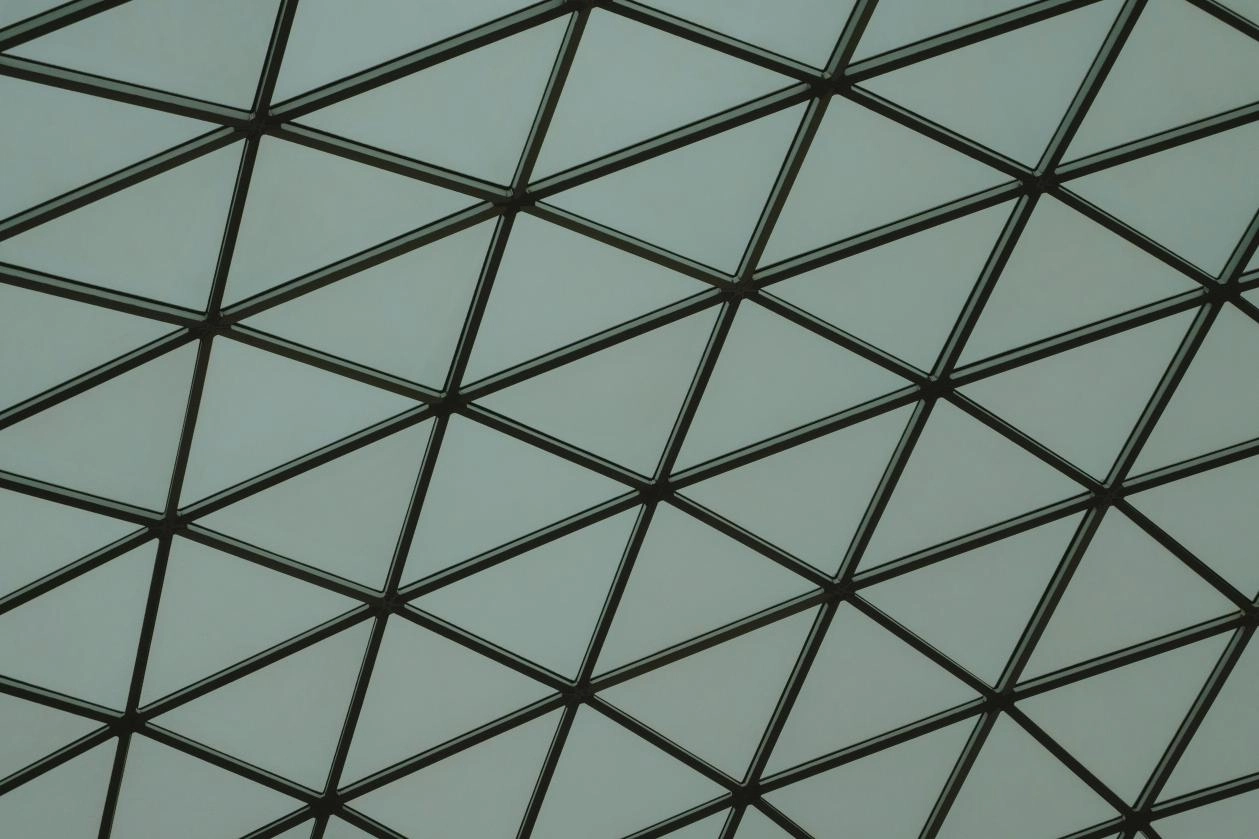
Lately, more business owners are moving away from boring square tiles and choosing the sharp, modern look of an aluminum triangle ceiling. However, whenever a design looks this good, the first question on every project manager’s mind is usually about the budget. Is it just a luxury expense, or is there a real financial reason to pick metal over cheaper alternatives? In the world of commercial construction, the "cheapest" option often turns out to be the most expensive over time. Let’s break down the actual numbers and see why these geometric designs are becoming the gold standard for savvy investors in 2026.
Evaluating the Initial Metal Ceiling Cost vs. Traditional Options
When you first look at a quote for a new project, the metal ceiling cost can sometimes give you a bit of a shock. If you compare it directly to basic mineral fiber tiles or standard drywall, the upfront price for metal is definitely higher. In today's market, you are typically looking at a 30% to 50% increase in initial material spending when you choose aluminum. But looking only at the "sticker price" is like buying a cheap car that breaks down every month—it doesn't tell the whole story.
Before we dive into the nitty-gritty of why metal wins in the end, we need to look at what actually drives those initial numbers. The price isn't just about the raw material; it’s about the engineering and the specific needs of your building. Several variables come together to determine your final bill.
Common Installation Cost Factors for Geometric Designs
Installing a high-quality aluminum triangle ceiling involves more than just snapping panels into a grid. Because of the triangular geometry, the suspension system needs to be perfectly aligned to maintain those clean, sharp lines. If the grid is even a few millimeters off, the entire pattern looks messy. This means you need skilled labor, which is one of the primary installation cost factors you have to plan for.
Beyond labor, you have to consider the complexity of the space. Are there a lot of columns to work around? Will the ceiling integrate with complex HVAC vents or high-end lighting? Custom colors and perforated patterns for better sound control also add to the bill. However, these features aren't just for show. They prevent future headaches by making sure your ceiling works with the rest of the building's infrastructure from day one.
The Long-Term Ceiling Lifespan Value
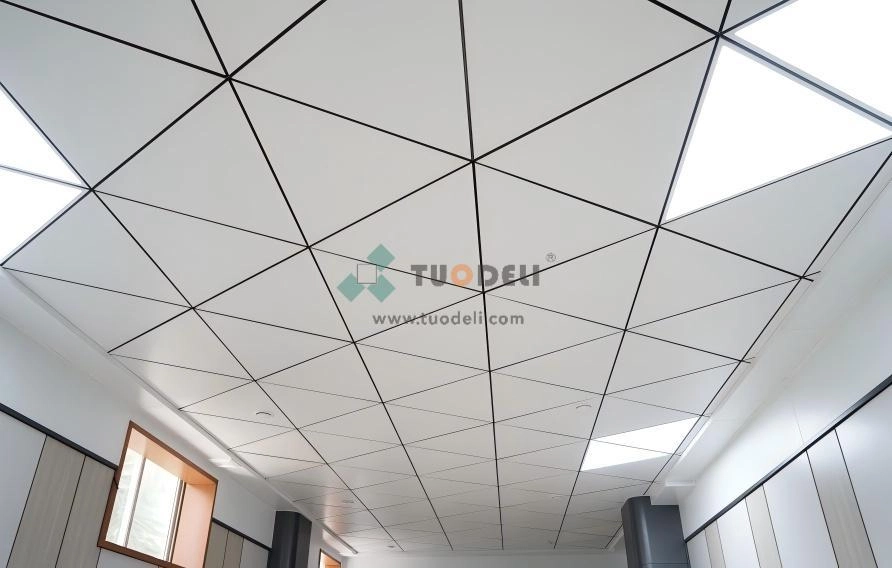
A common error among site overseers involves emphasizing the opening year over the later ones. The ceiling lifespan value of aluminum remains without equal. Flexible fiber panels may endure 5 to 10 years before they droop, mark, or break down. In contrast, durable metal panels stand ready to remain fixed for 30 to 50 years. During that time, their look alters very little.
To grasp why aluminum persists far longer than other substances, examine its response to a structure's foes: dampness, warmth, and duration. Aluminum does not merely exist passively. It counters the forces that ruin lower-priced overheads.
Why Durable Metal Panels Outlast the Competition
Aluminum inherently wards off oxidation and decay. Should a line burst overhead in a standard setup, you face a dark liquid mark demanding complete panel swap. With a metal arrangement, you merely clean the surface after repairing the issue. For this reason, aluminum serves as the favored option in moist zones such as covered swimming areas, cooking spaces, or seaside structures.
On top of that, these panels don't provide a food source for mold or mildew. In a commercial setting, keeping the air clean and the surfaces mold-free is a massive legal and health benefit. When you don't have to replace your entire ceiling every decade, the "expensive" metal option suddenly starts to look like a bargain. You can see the variety of these durable metal panels in action to get a better idea of how they fit different architectural needs.
Achieving a High Commercial Ceiling ROI
In any enterprise, each unit of currency must perform effectively. To figure your commercial ceiling ROI, assess three key fields: power reductions, upkeep expenses, and asset worth. Fine aluminum boasts strong light reflection, frequently exceeding 85%. As a result, you install fewer bulbs. Your power charges drop since the overhead directs daylight further into the area.
Saving money on power is great, but the real "secret weapon" of a metal system is how it reduces your daily operational stress. Most people forget that a ceiling isn't just a lid on a room; it's a tool that should save you money every single day of its life.
The Benefits of a Low-Maintenance Ceiling
Care tasks quietly drain project funds. A low-maintenance ceiling crafted from aluminum demands only a fast brush-off or a moist cloth pass now and then. It requires no fresh coats, no pest treatments, and certainly no concern over drooping from its own mass.
In a lively workplace or sales area, time equates directly to income. Shutting a portion of your store to swap out harmed overhead boards results in lost sales. Aluminum triangle setups frequently use "clip-in" or "lay-in" methods. Thus, if access to wiring or conduits in the cavity ever arises, you merely remove a section and replace it upon completion. This process creates no disorder, no particles, and no need for costly service teams.
Why Triangles Are a Smart Design Investment
Opting for an angled layout involves more than following current fashions. Triangles provide inherent firmness and present a fresh method to conceal joints that often render overheads plain. By 2026, the style direction leans toward "varied" textures. A smooth, pale overhead lends a space the feel of a stark clinic. Yet, a shaped aluminum framework introduces layers and personality. This can genuinely raise the leasing appeal of a business office area.
As a prospective renter enters a foyer and notices a superior metallic surface, they at once view the structure as premium. This mental uplift contributes to the ROI that may not appear on basic charts. However, it certainly appears in your finances during leasing or property sales.
Planning Your Next Project with TUODELI
Navigating the costs of a major renovation or a new build can be overwhelming. You want a ceiling that looks incredible but doesn't become a maintenance nightmare five years down the road. By choosing an aluminum triangle ceiling, you are investing in a product that pays for itself through durability and style. The key is to work with a supplier who understands the technical side of the installation as well as the aesthetic side.
At TUODELI, we specialize in creating high-performance metal systems that bridge the gap between architectural vision and budget reality. Whether you are looking for specific technical data on sound absorption or you just want to see some color samples, we are here to help. You can easily contact TUODELI today to get a custom quote or a consultation for your upcoming project.
Conclusion
Viewing the overall view, the decision between metallic and conventional materials extends beyond visual appeal. Although the starting metal ceiling cost may exceed others, the blend of power conservation, no-care demands, and a 50-year duration renders it the sensible pick for any business structure. You acquire more than sections; you gain assurance and a lasting fix for your area. Shifting to a low-maintenance ceiling lets you direct funds toward expanding your venture instead of mending your covering. If prepared to elevate your commercial ceiling ROI and craft a distinctive environment, the moment has arrived to weigh the enduring benefits of aluminum.
FAQs
Q: Is the aluminum triangle ceiling much harder to install than square ones?
A: It requires more precision. However, modern clip-in systems simplify the installation cost factors significantly for experienced crews.
Q: How does the ceiling lifespan value compare to wood or mineral fiber?
A: Aluminum lasts 30-50 years, while wood or fiber often needs replacing or refinishing within 7-12 years.
Q: Can a metal ceiling really help reduce my monthly building energy bills?
A: Yes! The high light reflectance of durable metal panels allows you to use less artificial indoor lighting.


