
Aluminum Tile Trim vs Stainless Steel: Which Fits Your Project?
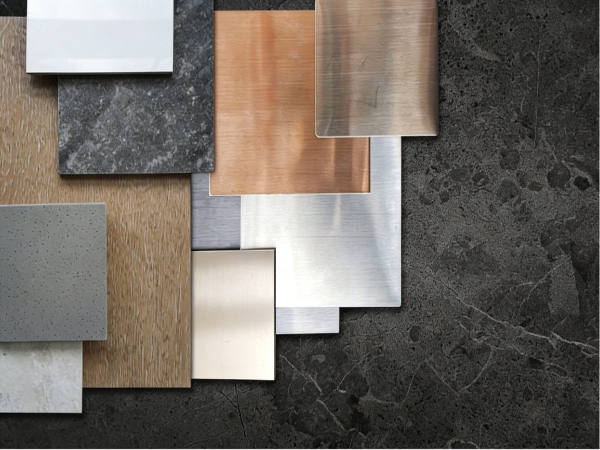
Have you seen how fresh eateries and up-to-date hotel entrances appear so smooth these days? The style field has quickly stepped back from heavy timber borders and wide filler lines. Now, the main point rests on crisp, neat shifts. When you check a brand-new high-end bath area or a business kitchen side, you spot a narrow band of metal covering the rough ends of the stone pieces. That small part creates a huge change in the end view.
Builders and planners deal with a key choice when selecting these end parts. They often must select between two common options to complete the work well. Setting up a fresh area takes a good deal of cash, and an error in the end details can spoil the full style of a costly space. Let us go into the facts of these two items so you can choose the right one for your upcoming build task.
The Role of Edge Finishing in Interior Design
Before comparing materials, we need to look at why these finishing pieces matter so much. A beautifully laid ceramic surface easily looks unfinished if the borders stay exposed. These metal strips protect fragile edges from chipping while providing a clean, sharp visual transition between different building materials.
Why You Need Protection for Your Edges
Stone pieces are tough, but their raw sides turn out quite weak. If you let the end of a stone item sit bare on a side turn, it will chip over time. Folks keep hitting sides with cleaners, big cases, or moving desk seats. Field facts indicate that around 15 percent of all bath fix requests occur since a bare rim took a hit and split. Swapping one cracked part in the center of a done side is a total pain. You must dig out the old filler, break the hurt piece without harming the nearby ones, and prepare new paste.
Installing a solid metal edge trim prevents this headache entirely. The metal takes the physical impact instead of the ceramic. It acts like a tiny, invisible shield. This saves building owners a lot of money on future repairs. It also keeps the room looking brand new for 10 or 20 years instead of looking beat up after just six months of daily use.
Visual Impact on Modern Spaces
Looks matter just as much as protection. Nobody wants to see the ugly, raw clay side of a ceramic board. In the past, installers used cheap plastic strips, but plastic turns yellow after a few years of sitting in the sun. It also cracks easily when the house naturally settles. A well-chosen modern tile trim fixes both of these major problems. It hides the messy mortar and creates a perfect straight line from the floor to the ceiling.
This straight line acts like a frame around a painting. It draws your eye up and makes the whole room look significantly more expensive. Whether you are building a dark, moody restaurant bathroom or a bright, white hospital corridor, the right border piece ties the whole room together beautifully.
A Closer Look at Aluminum Options
Builders frequently turn to lighter metals for large projects because they balance cost and daily performance perfectly. This specific metal is incredibly easy to cut on the job site, which speeds up the daily installation process. Let us break down the specific advantages that make it a top choice.
Weight and Workability on Site
Time is the most expensive part of any construction job. If a worker has to spend 15 minutes cutting a single corner piece, the labor costs will skyrocket out of control. This is exactly where aluminum tile trim truly shines. It is lightweight and very easy to work with. A contractor can use a standard hacksaw to cut it cleanly in under two minutes.
Since it weighs so little, hauling a pack of 50 bands up three levels of steps does not tire the team. The metal also curves a touch if required, so fitters can place it close to sides that lack full straightness. Many old homes hold a bit of bent sides, so an item with some give makes the setup flow better. You reach a fine sight end without battling the thick item all day.
Corrosion Resistance and Finishes
You might wonder if a lighter metal will rust in a wet, steamy bathroom. Thankfully, it naturally forms a protective layer when exposed to air, stopping rust before it ever starts. Manufacturers also use a chemical process called anodizing to make the surface even harder and more resistant to scratches.
This coloring process opens up a massive world of design choices. You can buy a wall tile trim in matte black, bright gold, brushed nickel, or classic silver. If a homeowner wants the metal to match their shower head exactly, they can easily find the exact color. The color does not flake off because it is chemically baked into the metal itself. This makes it a fantastic, reliable choice for 90 percent of standard residential and commercial jobs.
When to Consider Steel for Your Edges
Sometimes a building project demands the absolute highest level of physical strength and chemical resistance. In heavy commercial kitchens or busy hospitals, designers often specify a much heavier metal. This material takes a serious beating from heavy carts and harsh cleaning chemicals without showing rapid signs of wear.
Maximum Durability and Impact Resistance
If you are building a massive warehouse or a factory floor, heavy things will inevitably crash into the walls. Hand trucks, metal utility carts, and heavy equipment bump into corners all day long. In these extreme situations, an aluminum tile trim might get dented if hit hard enough. You need something much tougher for an industrial space.
A tough stainless steel trim can bear a big blow from a heavy cart and show just a small mark. The metal packs tightly and firmly. It also deals with strong clean agents much better. In a medical workroom, the cleaning team uses sharp bleach and firm cleaners each night to kill germs. Steel takes these rough chem dips for years without losing glow or form break.
The Cost and Labor Factor
The massive physical strength of steel comes with a few big downsides. First, it is very expensive. Buying the raw heavy materials will often cost 40 to 60 percent more than the lighter metal alternatives. Second, it is notoriously hard to cut and shape on the job.
A worker cannot just use a simple hand saw. They need an electric angle grinder with a special cutting wheel. Cutting it creates dangerous sparks and heat, and the worker has to file down the sharp edges carefully so nobody gets cut later. Trying to create a perfect 45-degree angle for a corner tile trim takes a lot of patience and specialized skill. If the wall is crooked, the rigid steel will not bend to fit it. You have to fix the wall perfectly first, which adds even more time and money to the overall job.
Head-to-Head Comparison for Contractors
When you sit down to plan your project budget and timeline, you have to weigh the pros and cons of both materials carefully. Here is a quick breakdown to help you decide which path to take for your next big job:
l Upfront Costs: Lighter metals win easily. They cost much less to manufacture and ship, keeping your material budget low and manageable.
l Installation Speed: A standard tile edge trim made of lighter material installs about twice as fast. Workers cut it quickly and move on to the next room.
l Color Matching: If the interior designer wants matte black or rose gold borders, lighter metals offer way more factory finish options.
l Extreme Abuse: For a butcher shop or a factory where forklifts drive around, the heavier steel option is the only safe bet to prevent crushing the wall corners.
l Outdoor Use: Both handle rain and snow well, but heavy steel holds up slightly better against salty ocean air if you are building a beachfront hotel.
Making the Right Choice with TUODELI
Locating a steady provider counts as much as selecting the right item. You need a teammate who brings exact slices, even shades, and quick send times. A solid maker offers a broad line of building items made to meet the tight needs of today's quick build field.
When you view the full scene, most current homes, work structures, and shop places gain the top worth from lighter, bendy metals. They seem great, set up fast, and cut your work costs. TUODELI knows just what builders and planners seek to end a task right without passing the budget.
Whether you are finishing a luxury hotel bathroom or an open-concept office, our high-quality aluminum tile trim gives you the exact sharp, clean lines your clients expect. We control the entire manufacturing process to give you perfect color matching and straight edges every single time. You can learn more about our factory processes and quality checks on our about us page.
We do not just sell raw pieces of metal; we help you figure out the best way to build. If you have a complicated room layout and need advice on finishing the borders, check out our solutions for detailed guides. Do not let bad edge finishing ruin an expensive ceramic job. Please contact us today to get pricing details, request samples, and see how our materials can make your next project a complete success.
Conclusion
Picking the right metal strip for your walls might seem like a tiny detail, but it actually dictates how long your expensive ceramic project will survive. While heavy steel offers amazing impact resistance for extreme industrial areas, it is simply too hard, heavy, and expensive for most normal jobs. For 90 percent of residential and commercial designs, aluminum remains the absolute best choice. It cuts your installation time in half, gives designers endless color options, and protects fragile ceramic borders from daily bumps and scrapes. By choosing a high-quality supplier, you get beautiful, straight lines that make any room look modern and complete. It is a smart, budget-friendly investment that keeps your walls looking perfect for decades.
FAQs
Q: Can I use aluminum tile trim outdoors?
A: Yes, it naturally resists rust. It works great for outdoor kitchens and patio walls in most normal weather conditions.
Q: Is stainless steel trim hard to cut?
A: Yes. You need specialized electric grinders to cut it, which takes much more time and physical effort on site.
Q: What is the best corner tile trim for bathrooms?
A: Lighter metals are best. They do not rust in the shower and come in colors matching your shower hardware.


