
Aluminium Metal Baffle Ceilings: The Benefits in Modern Architecture
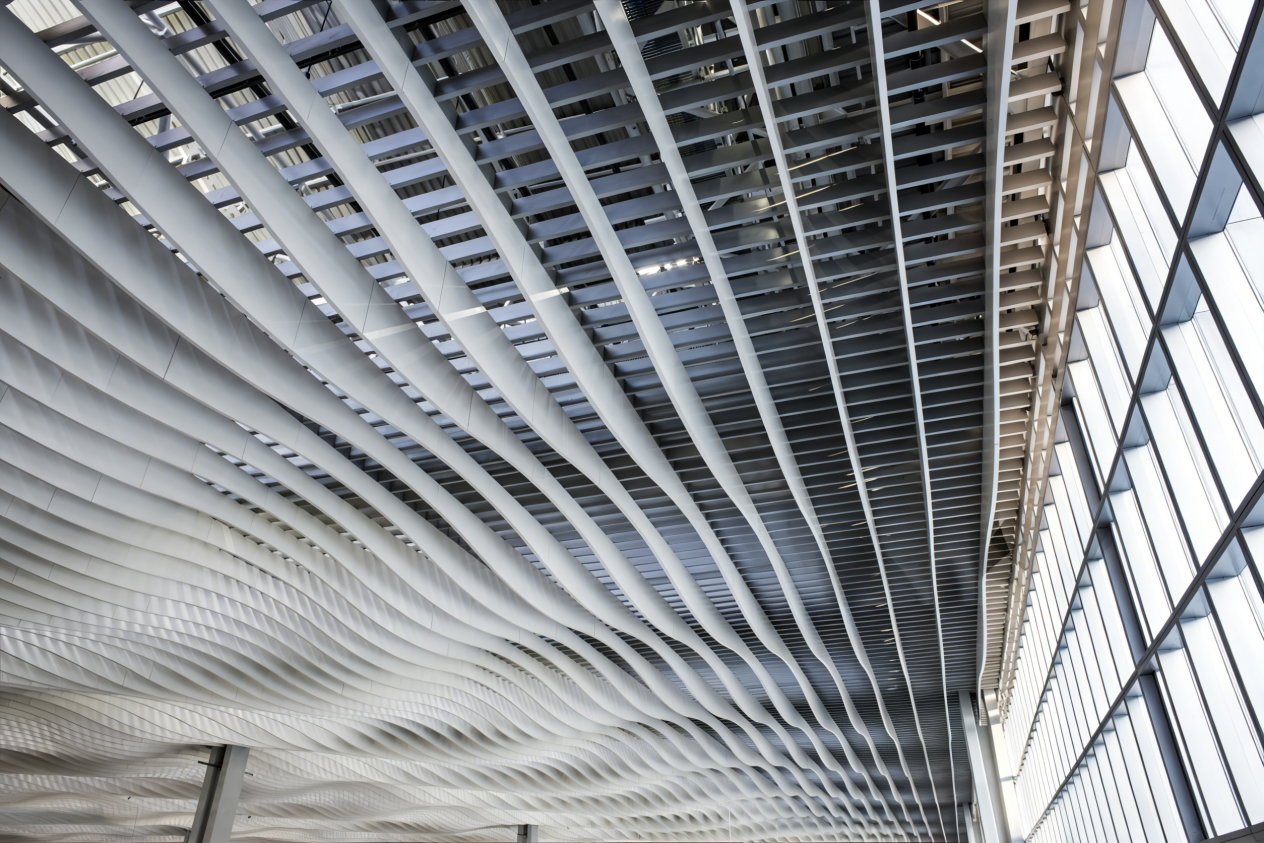
Walk into a newly built office downtown or a modern airport terminal, and you will quickly notice two things. First, the ceiling looks like a single piece of art featuring long, sleek metal lines. Second, even with hundreds of people walking around, you can actually hear yourself think. This quiet atmosphere does not happen by accident. Builders and designers face the tough job of making huge rooms look bright and open while keeping the noise down. Sound easily bounces off glass walls and hard concrete floors, creating terrible echoes.
To fix this, many architects turn to aluminium baffle ceilings. These structures hang from above, hiding ugly wires and air ducts while totally changing how a room sounds. In this article, we look at why these metal features are becoming the top choice for today's commercial building projects.
The Shift Toward Open and Quiet Spaces
The trend of wide-open floor plans brought a lot of natural light into offices and lobbies, but it also brought a massive headache: noise. When you remove physical walls, phone calls and heavy footsteps travel everywhere. Employees struggle to focus on their computers, and visitors feel overwhelmed by the loud echoes. Planners must fix these sound problems without ruining the open visual layout. This creates a high demand for materials that handle both form and function perfectly.
Why Sound Control Matters Now
Studies point out that desk workers drop as much as 66 percent of their attention when facing steady low-level noise. In spots like active medical centers, noisy surroundings can boost stress for sick people and helpers alike. Basic wall boards do nothing at all to hold back audio waves. Rather, noise just rebounds off a level overhead. By adding sound-cutting overheads, builders grab and split those audio waves before they cross the whole area.
Think about a busy restaurant or a modern hotel lobby. If guests cannot hear each other across the table, they will not come back. The right ceiling materials quietly solve this problem in the background. While some spaces use standard acoustic ceiling tiles to absorb sound, adding vertical metal baffles gives you a completely different level of acoustic control. The vertical blades interrupt the path of the sound. When backed with special sound-absorbing pads like rock wool, these metal systems perform extremely well. They lower the overall room volume, making it much easier for people to talk, work, or relax in large open areas.
Key Advantages for Commercial Buildings
Selecting fitting items for a big structure means weighing costs, appearance, and everyday use. You cannot go with something that seems nice if it will bend or break in a few years. Aluminium shines because it fixes several build issues together. Let us examine why builders like this metal more than timber or plain wall panels.
Superior Durability and Strength
Aluminium fights off rust and wear on its own. If you set up a store center by the sea or a pool building, high dampness will soon ruin timber or cheap iron. Fine commercial metal ceilings built from aluminium stand up to wetness without effort. They do not take in liquid, so you skip fears of growth, spots, or drooping parts.
A solid aluminium setup can run 25 to 50 years with almost no care. You only clean them now and then to clear dirt. Since the metal weighs little, it adds far less load to the main beams of the structure than thick iron sheets.
Flexible Design and Airflow
Current building styles favor smooth, unbroken lines. Fitting linear metal ceilings pulls views over a space, so rooms seem longer and broader. You can place the strips close to cover cooling pipes and wires above, or set them wider for a raw, factory feel.
Blending lights is a big gain, too. Workers can simply add hanging lamps between the parts or fix level LED bars to the metal sides. This ease lets light experts make clear, friendly areas without making complex cuts in a tough wall overhead.
What is more, these spaced setups let air move without blocks. Cooling units run better when they send cool air over open paths instead of small holes in a full overhead. Heat sensors and water sprays from fire systems fit simply between the metal strips. If a repair person must fix a cracked line, they just stretch up through the gaps or pull out one piece fast. They do not need to break down a full wall ceiling to mend a basic drip.
Installation and Maintenance Realities
Time counts as cash on any build site. Holds up add thousands of dollars each day. For that reason, the picked overhead items have to be easy to set up and simple to change if plans shift a bit at the end. The overhead frame you select sets how quick the inside work ends and when users can settle in.
Making the Assembly Process Faster
Most metal strips link to the usual hanging overhead systems with a basic click or hook way. Fitters fix the key frame firmly to the roof base, even it with a light tool, and then just click the light aluminium pieces in. You skip wet paste, smoothing, or wait time. A team can finish a 10,000-square-foot entry in far less time than raising a full plaster top.
The plain rail setups also aid long-term changes. In ten years, if the owner wants better web lines or a fresh watch camera setup, staff can reach the area above the top easily. This cuts costs on later fixes and keeps the structure smooth.
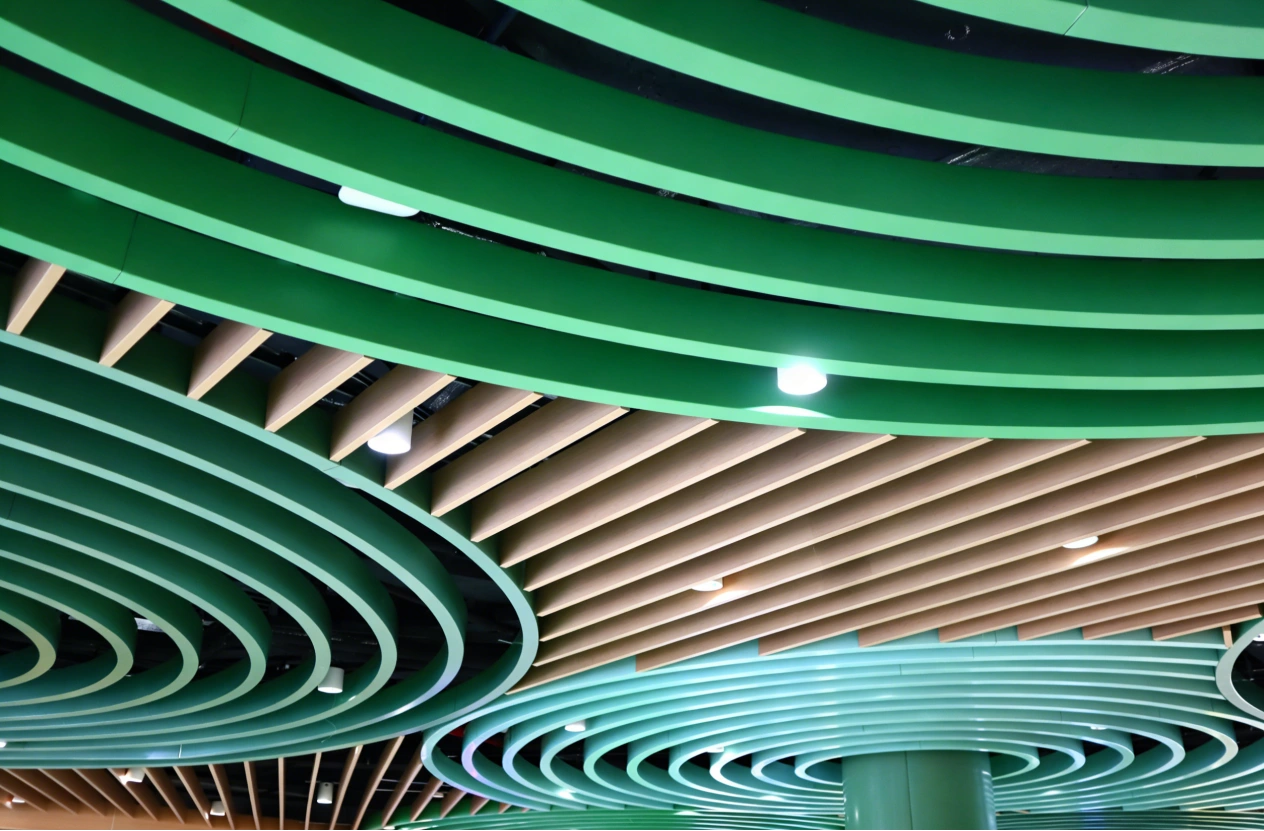
Also, builders can order these baffles in custom lengths, colors, and wood-grain finishes. You get the warm, comforting look of real wood without the heavy weight, high cost, or fire hazards associated with natural timber. If a section gets damaged by accident, you only replace that specific metal blade instead of ripping out the entire ceiling.
Bringing Your Vision to Life with TUODELI
Locating a steady provider changes everything in a large business task. You want items that show up when set, match exact, and hold for years. TUODELI focuses on making top-grade metal build items that fit the firm's needs of current fitters.
Here is what makes our approach different:
l Customization: We do not go for all-the-same fits. If you need exact strip heights, shade matches, or special hole designs for a stronger audio hold, our build steps change to your plans.
l Complete Solutions: From the initial design advice to providing the precise mounting hardware, we offer full-service support. Our aluminium baffle ceilings integrate perfectly with standard lighting and ventilation systems.
l Material Quality: We pick fine-level aluminium that fights color loss, bending, and wear. This lets structure owners feel sure their spending will seem fresh for long.
If you plan to lift your next build task with nice, working, and strong metal tops, our group stands ready to aid in the steps. Please contact us today to ask for tests or talk about your exact top wants.
Conclusion
Designing a modern commercial space requires a careful balance between how a room looks and how it actually feels to the people inside it. Open concepts are visually stunning, but they fail completely if the room is too loud or uncomfortable. By using aluminium baffle ceilings, designers can fix these key audio and frame issues with ease. These metal setups cover rough upper pipes, let air pass without stops, and cut sharp rebounds a lot. Above all, they offer a clean, lasting cover that needs next to no care over a 30-year run. Putting money in fine metal items pays back by making useful, pretty, and kind spaces for all who enter the space.
FAQs
Q: Are commercial metal ceilings heavy?
A: No. Aluminium is very lightweight, reducing structural stress while remaining highly durable for long-term commercial building use.
Q: How do noise reduction ceilings actually work?
A: They use vertical blades and sound-absorbing pads to catch and scatter sound waves, stopping annoying room echoes.
Q: Can I use acoustic ceiling tiles with baffles?
Yes. You can combine traditional sound-absorbing tiles with metal baffles to achieve maximum sound control and style.


