
Achieving Optimal NRC: A Technical Guide to Acoustical Metal Wall Panels in Modern Office and Educational Spaces
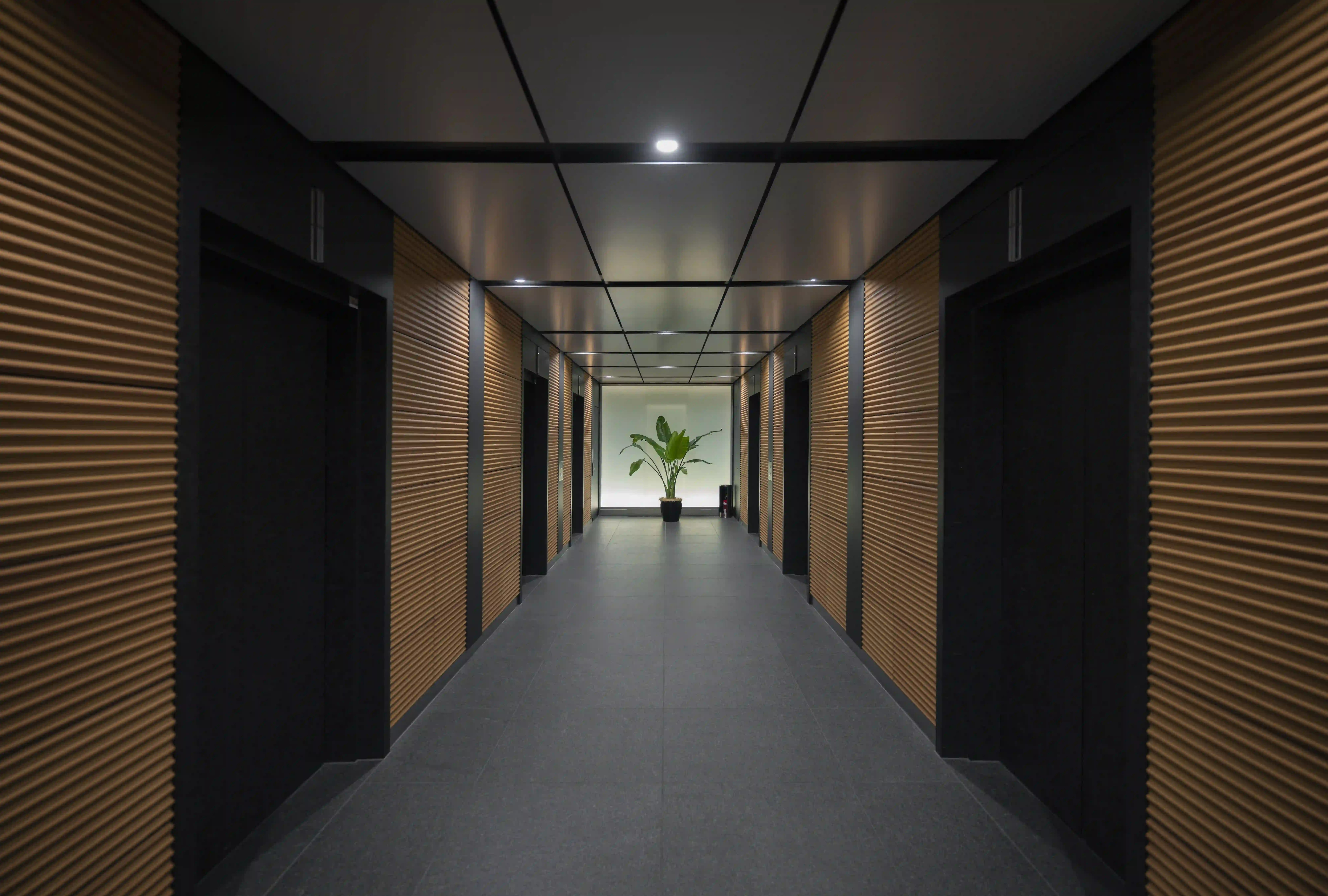
In today’s changing world of building design, controlling sound is more important than ever. This is especially true in open-plan offices and schools. One key measure of a material’s sound performance is the Noise Reduction Coefficient (NRC). Acoustical metal wall panels are gaining popularity in modern spaces. They offer both excellent sound control and a stylish look. This guide explains how these panels achieve great NRC ratings, their advantages, and how they work in real settings.
Noise Reduction Coefficient (NRC) in Architectural Acoustics
Good sound design starts with knowing how materials handle noise. NRC is the starting point for this understanding.
What Is NRC and Why It Matters in Modern Office Design
The Noise Reduction Coefficient is a number that shows how well a material soaks up sound instead of bouncing it back. It ranges from 0 to 1. A rating of 0 means no sound is absorbed, like with concrete. A rating of 1 means almost all sound is absorbed. In modern offices with open layouts, materials with high NRC ratings are vital. They cut down on echo and make speech clearer.
How NRC Ratings Are Measured and Interpreted
NRC ratings come from lab tests. These tests check how much sound a surface absorbs across four frequency bands (250 Hz to 2000 Hz). For example, a panel with an NRC of 0.4 takes in about 40% of the sound that hits it. Perforated metal panels with inner insulation can reach ratings between 0.60 and 0.80, depending on their build.
The Impact of NRC on Workplace Productivity and Comfort
Better Focus and Work Output: In open offices, phone calls, casual chats, and meetings can distract workers. High-NRC materials soak up background noise. This creates quieter areas that help people focus. Also, better sound control improves communication and reduces mental tiredness.
Acoustic Challenges in Office and Educational Environments
Knowing where noise comes from helps identify where acoustical metal wall panels can make a big difference.
Common Sources of Noise in Open-Plan Offices and Classrooms
Offices deal with overlapping talks, keyboard clicks, air conditioning hums, and phone rings. Classrooms face noise from students, hallway movement, or outside sounds. All these add to poor sound conditions.
Effects of Poor Acoustic Control on Focus, Communication, and Learning
When noise isn’t managed well:
· Workers find it hard to concentrate.
· Teachers have to speak louder than needed.
· Students miss important details due to echoes or background noise.
These problems harm work output and learning. Wall panels act as quiet solutions. They absorb mid-to-high frequency sounds, tackling these issues effectively.
Acoustical Metal Wall Panels: Composition and Functionality
Metal wall panels are built for strength and top-notch sound control.
Material Properties that Influence Sound Absorption
Two main parts make acoustical metal panels effective:
1. Perforated Aluminum Surfaces: Tiny holes let sound waves pass through the metal into the absorbing layer inside. The size and number of holes affect how much sound reaches the inner layer.
2. Internal Acoustic Insulation Layers: Behind the holes, materials like mineral wool or fiberglass turn sound energy into heat. This greatly boosts NRC ratings.
Design Features That Enhance Performance
Beyond basic construction, certain design choices improve panel performance:
· Panel Spacing and Mounting Techniques: Gaps between the panel and the wall can improve low-frequency sound absorption. This happens because deeper spaces trap more sound. Suspended setups often use this method.
· Integration with Other Interior Elements: Panels must work smoothly with lights, air vents, or screens. They should not lose sound control or visual appeal.
Evaluating the NRC Performance of Metal Panels
To assess performance, we look at physical traits and compare them to other options.
Key Factors That Affect NRC Ratings in Metal Panels
Several design aspects influence NRC scores:
· Panel Thickness and Cavity Depth: Thicker panels with deeper spaces behind them absorb low-frequency sounds better. This is because there’s more room for air to trap sound.
· Perforation Patterns and Open Area Ratios: More holes let more sound reach the inner layer. But too many holes can weaken the panel’s structure or fire safety.
Comparison with Other Acoustic Solutions (e.g., Fabric Panels, Foam Tiles)
Foam tiles or fabric-covered panels absorb mid-to-high frequency sounds well. However, they often don’t last in busy settings. In contrast, TUODELI’s acoustical metal wall systems offer great noise control. They are also fire-resistant, long-lasting, and resist mold and dampness. This makes them a better choice for high-traffic places.
Application Scenarios for Acoustical Metal Wall Panels
Using these panels wisely improves both function and style in various settings.
Open-Plan Corporate Offices
In busy workplaces, panels reduce chatter between desks. They create zones for focused work or casual meetings. TUODELI offers customized solutions that use aluminum technology for office spaces.
Educational Institutions and Lecture Halls
Clear sound is crucial for teaching. Panels cut down on echoes and help voices carry without extra equipment. TUODELI’s products include solutions designed for classrooms and lecture halls.
Conference Rooms, Meeting Spaces, and Private Offices
Privacy is key in these spaces. High-NRC panels stop sound from leaking between rooms. They also improve audio systems by reducing unwanted echoes.
Installation Considerations for Optimal Acoustic Results
How panels are installed affects their sound performance.
Site Conditions That Influence Performance Outcomes
Room size, ceiling height, existing materials (like glass or carpet), and air conditioning noise all play a role. A sound check before installation can ensure the best results.
Recommended Installation Techniques for Maximum NRC Efficiency
· Mounting Systems: Suspended setups create air gaps behind panels. These gaps boost low-frequency sound absorption. Direct mounting looks sleeker but may not handle bass as well unless paired with other solutions.
· Sealing Gaps: All edges must be sealed tightly. Even small gaps can let sound escape, reducing the panels’ effectiveness.
Aesthetic Integration with Interior Architecture
Function doesn’t have to sacrifice style with acoustical metal wall panels.
Customization Options for Design Flexibility
TUODELI provides custom finishes like color matching, metallic coatings, and wood-like textures. These allow designers to create without losing performance.
Color Matching, Finishes, and Surface Treatments
Whether it’s matte black for meeting rooms or brushed aluminum for tech spaces, panels can match any look while keeping their sound control.
Linear vs. Modular Panel Designs
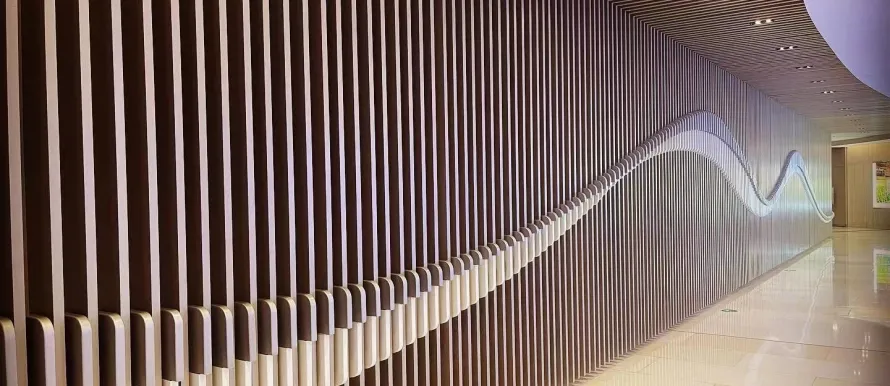
TUODELI’s linear wall panels offer clean lines for simple interiors. Modular designs work well in spaces needing flexible setups. Achieving great NRC doesn’t mean giving up style. TUODELI’s products blend both through careful engineering.
TUODELI: A Trusted Supplier of Acoustical Metal Wall Panels
Choosing the right supplier ensures lasting results, not just quick fixes.
Overview of TUODELI’s Expertise in Acoustic Panel Manufacturing
TUODELI is a highly skilled maker of acoustic metal ceilings and fireproof wall panels. They are known worldwide for innovative production over 30 years. With advanced tools, high quality, and excellent service, they deliver reliable results across industries.
Product Range Tailored for Office and Educational Applications
Their products include ceiling grids and linear walls, all customizable for specific projects. The TUODELI Solution serves offices, schools, hospitals, entertainment venues, stadiums, transportation hubs, and commercial spaces.
Commitment to Quality, Innovation, and Customer Support
TUODELI is dedicated to improving your projects with top aluminum technology and customer care. For questions or to request a project quote, visit our official contact page or reach out to our expert sales team.
FAQs
Q1: What is a good NRC rating for office spaces?
A: An NRC rating of 0.60–0.80 is ideal for offices. It reduces background noise and improves speech clarity without making the space too quiet.
Q2: Can acoustical metal wall panels match my interior design theme?
A: Yes. TUODELI offers many customization options, including color matching, wood-like finishes, linear patterns, or modular designs. These fit any style seamlessly.
Q3: Are metal wall panels better than fabric-covered alternatives?
A: Fabric panels work well for some sounds, but metal panels are more durable, fire-resistant, and customizable. They offer better value in busy commercial spaces.


