
2026 Interior Design Trends: Elevate Spaces with Metal Ceiling Tiles
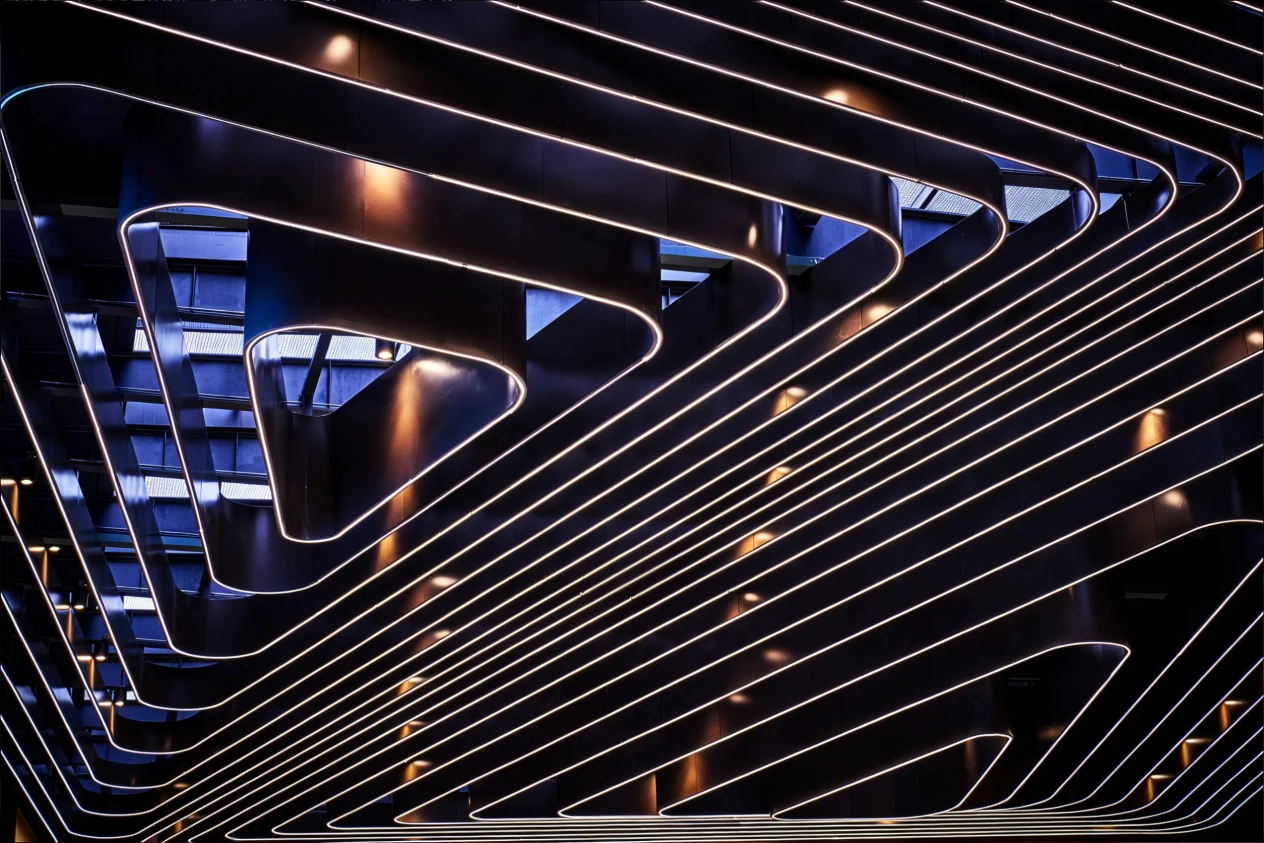
Step into a upscale office entrance or a recently launched small hotel these days, and you will spot a clear change. The time of chilly, smooth, and temporary construction items is slipping away. Folks grow weary of plain settings that resemble a plain container. As we approach 2026, work on room setups focuses more on "touchable richness" and personal links. A strong comeback appears for substances that provide both durability and character. In this group, metal ceiling tiles stand out as the subtle star of current room setups. They go beyond mere factory needs tucked away in storage; they now form the main feature of upscale styles. Be it the gentle glow of surrounding illumination or the detailed designs of a tailored setup, the overhead surface gains the focus it merits as the "fifth wall." Such elements draw attention. They enhance appeal. They connect with users.
The Shift Toward Sensory-Driven Commercial Environments
The manner in which we employ shared areas has altered a great deal in recent times. Experts in design no longer view only the appearance on a mobile display; they consider the sensation of remaining in that area for a full workday. This direction shapes the current interior design trends closely. A rising need exists for locations that offer feelings of security, calm, and stability. Company leaders recognize that carefully planned overhead can truly affect the feelings of visitors and the output of workers. These aspects matter greatly. They influence daily experiences. They support business aims.
Why Metal is Replacing Traditional Materials in 2026
Over many years, fiber from minerals served as the standard pick for workplace frameworks due to its low cost. Yet by 2026, attention turns to overall worth over time. A metal ceiling tiles setup delivers a sharpness that older substances fail to achieve. Metal avoids drooping as years pass, it resists taking in dampness, and it never supports mold growth. Considering the gains in value, metal prevails consistently since it endures for many years without losing its shine. This choice proves reliable. It meets long-term needs. It avoids frequent fixes.
The Role of Texture and Light Reflection
Current areas experiment with illumination in fresh ways. Experts shift from bright upper lights to combined, subtle sources. Decorative ceiling panels crafted from aluminum or steel serve as a base for such light. Selecting varied surfaces—from dull gold tones to rough dark metal—lets creators guide how rays spread in a space. This method builds layers that make an area seem bigger and more costly, all without a large fund. Such techniques add value. They transform perceptions. They fit various budgets.
Exploring Creative Commercial Ceiling Ideas for the New Year
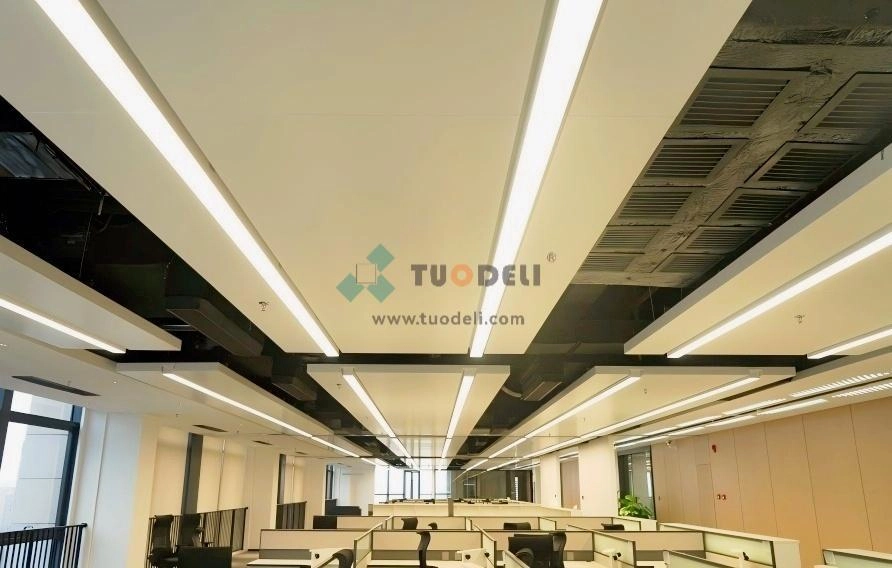
When you prepare for an update or fresh construction, you probably seek commercial ceiling ideas that go beyond usual patterns. The standard "grid appearance" persists, but it has advanced. Designs with "open-cell" features and wide boards now form extended, neat paths over a space. This method links broad open layouts while permitting simple reach to the systems concealed overhead. It involves striking the right mix of stylish appeal and useful structure. These ideas inspire innovation. They blend form with purpose. They suit modern demands.
Integrated Tech and Minimalist Aesthetics
A major challenge in modern ceiling design involves concealing the plain elements—the water sprinklers, network devices, and alert sensors. For 2026, the pattern emphasizes full blending. Current setups include "sections" where these tools fit neatly or even form part of the boards. This leads to an overhead that appears as one smooth artwork piece, not a jumbled collection of parts. Such integration simplifies views. It hides necessities. It elevates the overall look.
Using Bold Colors and Custom Perforations
Plain white ceases to be the sole choice. A wave of strong, natural shades emerges, such as rich red-brown, deep woodland hue, and mild metal finishes. Through tailored openings in decorative ceiling panels, a company can embed its mark or a chosen shape pattern directly into the surface. This degree of personalization changes approaches for shops and main workplaces aiming to share a message via their builds. It adds unique touches. It strengthens identity. It engages audiences.
The Technical Edge: Why an Aluminum Drop Ceiling Makes Sense
Though looks draw visitors inside, function maintains the structure's operation. An aluminum drop ceiling sets the benchmark for busy settings. Aluminum weighs very little, which lightens the burden on the building frame and speeds up the fitting for builders. This holds special importance in 2026, with ongoing increases in worker expenses and shorter project schedules. These benefits stand out. They ease processes. They cut costs effectively.
l Corrosion Resistance: Unlike steel, aluminum creates its own protective oxide layer, making it perfect for humid climates or coastal cities.
l Ease of Access: The "drop" or "suspended" nature means any panel can be popped out in seconds to fix a pipe or a wire.
l Sustainability: Over 75% of all aluminum ever produced is still in use today. It is a circular material that fits perfectly into green building initiatives.
l Precision Fit: Modern manufacturing allows for tolerances within a fraction of a millimeter, ensuring that long corridors look perfectly straight.
Solving the Noise Problem with an Acoustic Metal Ceiling
A common issue in current builds—particularly those with much glass in workplaces—involves the rebound of sound. Concentration proves difficult when talks carry from a distance of thirty feet. This situation drives the growth of the acoustic metal ceiling. Through creating holes in the metal and attaching a slim, fabric-like support, these boards shift from rigid planes to elements that capture audio. They address key concerns. They improve comfort. They enhance usability.
Balancing Silence and Style
The appeal of a current acoustic metal ceiling lies in the tiny size of the openings (micro-perforations), which remain unseen from below. Users gain the clean, shiny appearance of a full board, combined with the sound control of a thick drape. This proves crucial for 2026 workplace plans, where online meetings and group discussion spots become standard. It provides a hushed setting without giving up the "industrial chic" style that various companies favor. This balance works well. It meets diverse needs. It sustains appeal over time.
Achieving High NRC Ratings
In discussions of sound control, experts examine the Noise Reduction Coefficient (NRC). Numerous options from TUODELI reach NRC levels of 0.75 or above. This indicates the surface captures 75% of incoming sound. In a lively travel hub or packed eatery, this marks the line between a pleasant visit and a tense one. Such performance delivers results. It transforms spaces. It boosts satisfaction.
Redefining Luxury through Modern Ceiling Design
Richness in 2026 stems from the caliber of items and the care in small aspects. Modern ceiling design steps back from the quick-turnover style in building practices. Rather than gypsum or plastic requiring swaps in five years, proprietors choose fine metal arrangements that last well. Metal holds a special status—it offers substance and polish that synthetic options cannot copy. These features elevate projects. They ensure endurance. They reflect excellence.
Linear Systems and Baffle Ceilings
Straight baffles form a key element in the interior design trends under observation. These upright metal strips generate a steady, structural sensation. They suit transport centers or extended passages since they guide sight ahead. They also support strong air movement, a vital part of current heating and cooling performance. Made from metal, they remain fully aligned and resist bending, unlike wooden versions that often twist. This reliability shines. It aids flow. It fits practical uses.
The Return of Geometrics
Triangles, six-sided shapes, and three-dimensional "folded" boards enter the offerings widely. These decorative ceiling panels interrupt the sameness of level planes. Paired with clever lights, they produce shades and accents that shift daily with sunlight. This effect renders the structure "vital" and active, a primary aim for upscale shops and premium lodging efforts. Such designs captivate. They add energy. They fulfill visions.
Conclusion
Choosing the right materials for a project is about more than just checking boxes on a spec sheet. It is about creating a space that lasts, performs, and inspires. As we look toward the 2026 landscape, it is clear that metal ceiling tiles are the key to bridging the gap between high-end design and rugged durability. From the thermal efficiency of an aluminum drop ceiling to the peaceful environment created by an acoustic metal ceiling, the benefits are undeniable. If you are looking to elevate your next project, don't settle for the standard. Invest in a system that reflects the quality of your brand. Contact us today to discuss how our specialized metal solutions can bring your vision to life with precision and style.
FAQs
Q: Are metal ceiling tiles more expensive than traditional mineral fiber?
A: Initially yes, but they save money long-term because they don't sag, break, or need frequent replacement.
Q: Can I use an aluminum drop ceiling in a high-moisture area like a pool?
A: Absolutely. Aluminum is naturally rust-resistant, making it the best choice for pools, kitchens, and outdoor walkways.
Q: How does a metal ceiling help with interior design trends like sustainability?
A: Metal is 100% recyclable and lasts 30+ years, significantly reducing the environmental footprint compared to disposable materials.


